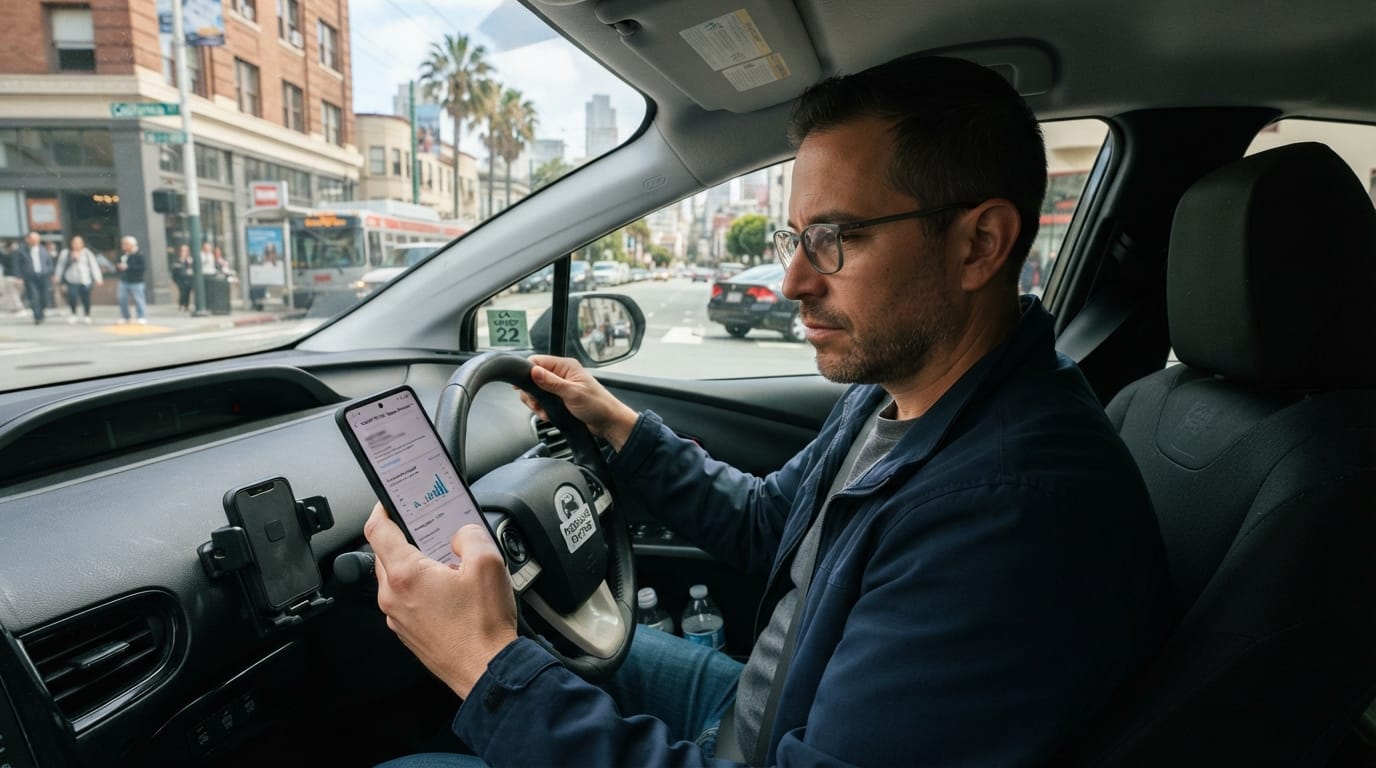

Teen rideshare programs can offer supervised transportation options, but families should not assume ordinary adult ride settings apply to every underage passenger.
This guide focuses on the choices readers can verify, the mistakes that create unnecessary risk, and the records or instructions worth checking before they act. Details differ by person, location and equipment or legal setting. Use current primary sources for anything that could change after publication.
Understanding rideshare teen accounts 2026 before making a decision
Rideshare teen accounts in 2026 are designed around additional controls compared with a standard adult account. Available cities, minimum ages and eligibility differ by platform. Parents should review the actual app flow and local terms instead of assuming any child can book an ordinary ride. The program’s existence does not replace parental judgment about transportation needs.
A family’s first conversation should be about when rideshare is appropriate, not simply whether the app can complete a booking. A teen might be capable of following vehicle checks but uncomfortable waiting alone after an evening event. Parents can create conditions for use, such as a visible pickup area and a working phone, while keeping alternative transportation available.
Identify the facts and limits first
A linked family account may allow a guardian to invite a teen, set up payment and receive trip information. The exact controls vary, and app interfaces can change. Before the first independent trip, sit together and review how the teen confirms a vehicle, shares location and requests help. A screen recording from last year may not reflect current settings.
Platforms may apply additional driver eligibility criteria for teen trips. That does not mean all drivers on the platform are available or that safety risk disappears. Parents should understand what screening and trip features the platform describes and what remains outside its control. Marketing language is not a guarantee about an individual journey.
Set up guardian-linked account using official app

Pickup points matter. A clearly identified curb outside a school or activity center is easier to manage than a chaotic parking lot. Local restrictions may prohibit rideshare pickups on specific school property. Teen and parent should agree on a legal, visible location, including an alternative when the usual entrance is closed.
The driver has a role in safe pickup communication too. A properly requested teen ride should still follow platform procedures for identity and rider confirmation. A driver should not accept an informal request to carry a minor outside approved settings merely to be helpful. Clear policy protects the passenger, the driver and everyone responsible for the trip.
Select legal well-lit pickup points
The teen should verify the license plate, vehicle make and driver details displayed in the app before entering. Teach a simple rule: if the details do not match, do not get in. Use the app’s support or safety functions rather than trying to argue with an unfamiliar driver. A good safety plan is easy to remember under stress.
Trip monitoring can help guardians know when a ride starts and ends. However, phone batteries, data service and location permissions can fail. Agree on a backup check-in arrangement and make sure the teen knows another trusted contact. A safety feature is helpful only when the family understands what it does and does not do.
Recognize where assumptions break down
Shared rides or additional passengers may be restricted for teen accounts on some services. Review the current rules rather than requesting exceptions from a driver. Avoid asking someone else’s teen to ride on a household account without understanding authorization and supervision requirements.
Drivers should confirm that the request is a properly designated teen trip before accepting an unaccompanied minor. Platform policies for minors may prohibit other arrangements. A driver who encounters an unapproved request should use the official cancellation or support workflow and avoid making up exceptions at the curb.
Guardians should discuss what happens if a ride is canceled. The teen should remain in a safe public location, notify the trusted adult and request another ride only through authorized channels. They should not enter an unrecognized vehicle or accept a cash offer from someone who claims to be the replacement driver. Keeping the backup process simple matters more than memorizing dozens of app options.
Practical steps for rideshare teen accounts 2026
There are also privacy questions. Parents can review what trip and location information is shared, who receives notifications and how long a record remains accessible. Teens deserve age-appropriate explanations of the information collected. Do not share screenshots containing home addresses or trip histories publicly.
Cost planning is part of a good routine. Surge pricing, cancellation charges and route changes can make an occasional trip more expensive than expected. Set an agreed budget and review receipts together. The goal is not to micromanage every moment, but to help teens learn practical transportation decisions.
Evaluate evidence and next steps
Families should practice with a low-pressure first ride when possible. Choose a familiar route and discuss what to do if the pickup location changes, the driver cannot find the passenger or the teen feels uncomfortable. A short role-play makes the safety steps easier to recall than a long list read only once.
Privacy settings deserve occasional review, particularly after a phone replacement or software update. Verify which adult accounts can view trip details and which notifications remain on. Families should also avoid posting travel patterns publicly. Protecting a young person’s routine is part of transportation safety, not an optional digital preference.
Agree on check-in and backup communication
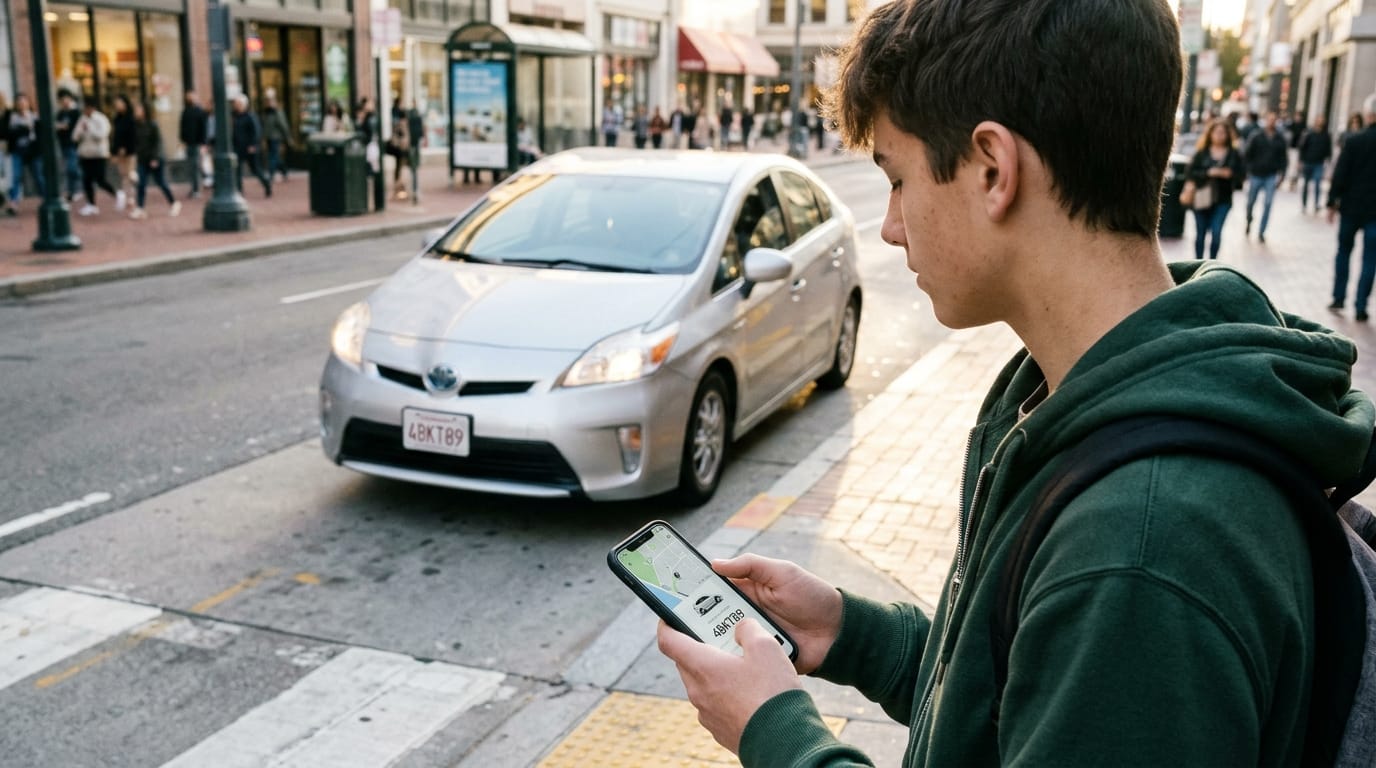
Some trips may be inappropriate even when the app technically permits them, such as travel into an unfamiliar setting late at night or a pickup after a phone has died. Parents should consider the teen’s judgment, the neighborhood, weather and availability of backup transportation. The right decision can be to arrange another ride option.
Review trip receipts and privacy settings together
Rideshare teen accounts can be useful when their eligibility rules and safety features are understood. Verify the current program in the specific city, explain vehicle checks, practice safe pickups and maintain a clear family communication plan. The technology is a tool supporting supervision, not a substitute for it.
Teen rideshare programs will continue to change as platforms add cities and modify eligibility. An evergreen article should therefore explain where to verify current availability instead of asserting a permanent city list. Readers benefit most from a checklist that remains useful after individual app screens change: authorization, identity check, safe curb, communication and backup plan.
Practical checklist:
- Verify platform teen program availability by city
- Set up guardian-linked account using official app
- Practice matching car and driver details
- Select legal well-lit pickup points
- Agree on check-in and backup communication
- Review trip receipts and privacy settings together
Common questions
Can any minor use an ordinary adult rideshare account? No. Platform rules for unaccompanied minors can restrict standard trips.
Are teen features the same on every platform? No. Age, market availability and controls may differ.
Can parents monitor the trip? Linked programs may offer trip information, but verify current functionality.
What if the car details do not match? The teen should not enter and should use the app safety or support process.
For related context, see the rideshare.blog guide. For authoritative reference, review this primary resource and additional official or technical guidance. Verify updates, dates and jurisdiction before applying general guidance to a specific situation.
Use this guide as a starting framework rather than a promise of a particular outcome. For rideshare teen accounts 2026, the most useful next move is to verify the applicable details, preserve accurate information and make a decision based on the real conditions in front of you. When specialist advice, official instructions or a qualified inspection is appropriate, seek that input before a decision becomes difficult to reverse.