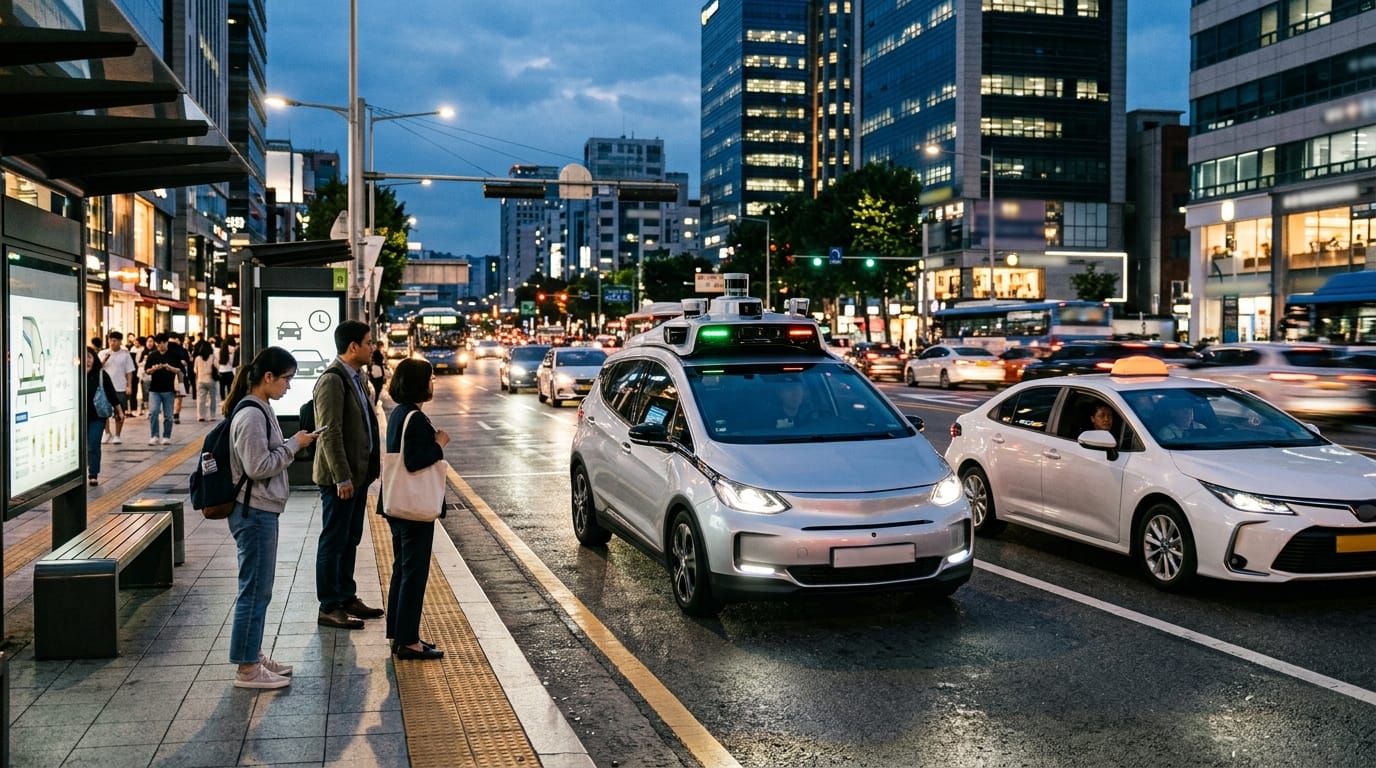
Robotaxi expansion in 2026 is no longer just a future mobility prediction. It is becoming part of real rideshare markets, especially in major cities where autonomous vehicle companies are partnering with platforms, testing larger service areas, and giving riders more chances to experience a car without a human driver. For riders, this raises questions about safety, pricing, pickup behavior, privacy, and support. For human rideshare drivers, the bigger question is direct: what happens to driving income when robotaxis become easier to book?
The answer is not simple. Robotaxis are expanding, but they are not replacing every human driver overnight. Autonomous services still depend on approved service areas, vehicle supply, road conditions, weather performance, local regulations, charging logistics, maintenance, customer trust, and the ability to handle unusual situations. Human drivers still matter in many markets, especially for airports, complex pickups, special requests, bad weather, high-demand events, accessibility needs, and areas where robotaxi coverage is limited.
Still, 2026 is a serious turning point. When riders can open a rideshare app and be matched with an autonomous vehicle in selected cities, the future stops feeling theoretical. Drivers and riders should understand what is changing now, what is still limited, and how to prepare for a market where human drivers and autonomous vehicles may work side by side.
Why Robotaxi Expansion in 2026 Matters for Rideshare
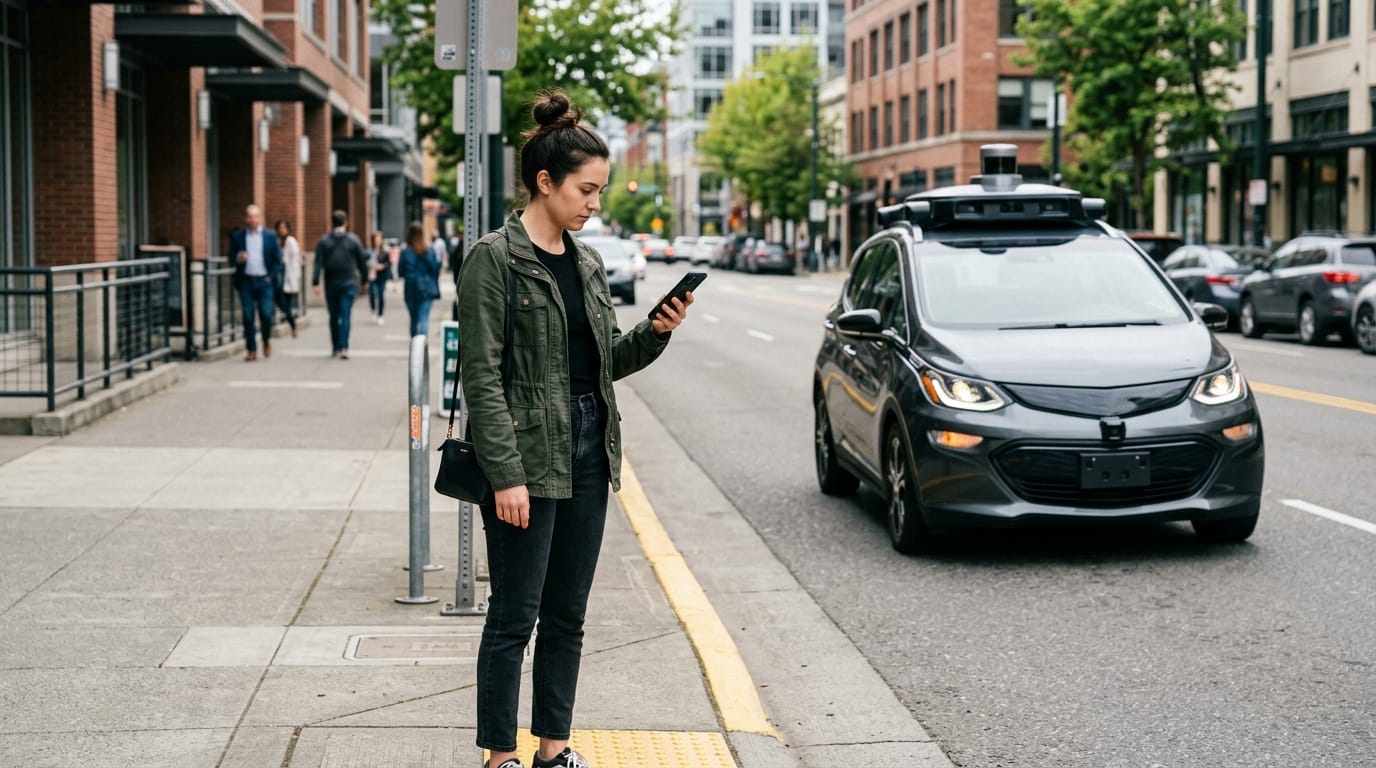
Robotaxi expansion matters because it changes the basic rideshare model. Traditional rideshare depends on a human driver using a personal or rented vehicle. Robotaxi services depend on autonomous driving systems, fleet operations, remote support, maintenance teams, charging infrastructure, and strict operating zones. That means the business model, cost structure, and passenger experience can look very different.
Riders may care most about convenience. If a robotaxi is available, clean, private, and priced competitively, some riders will try it. Others may prefer a human driver because they want help with luggage, easier conversation, human judgment, or more comfort during unusual situations. Trust will not be equal for everyone.
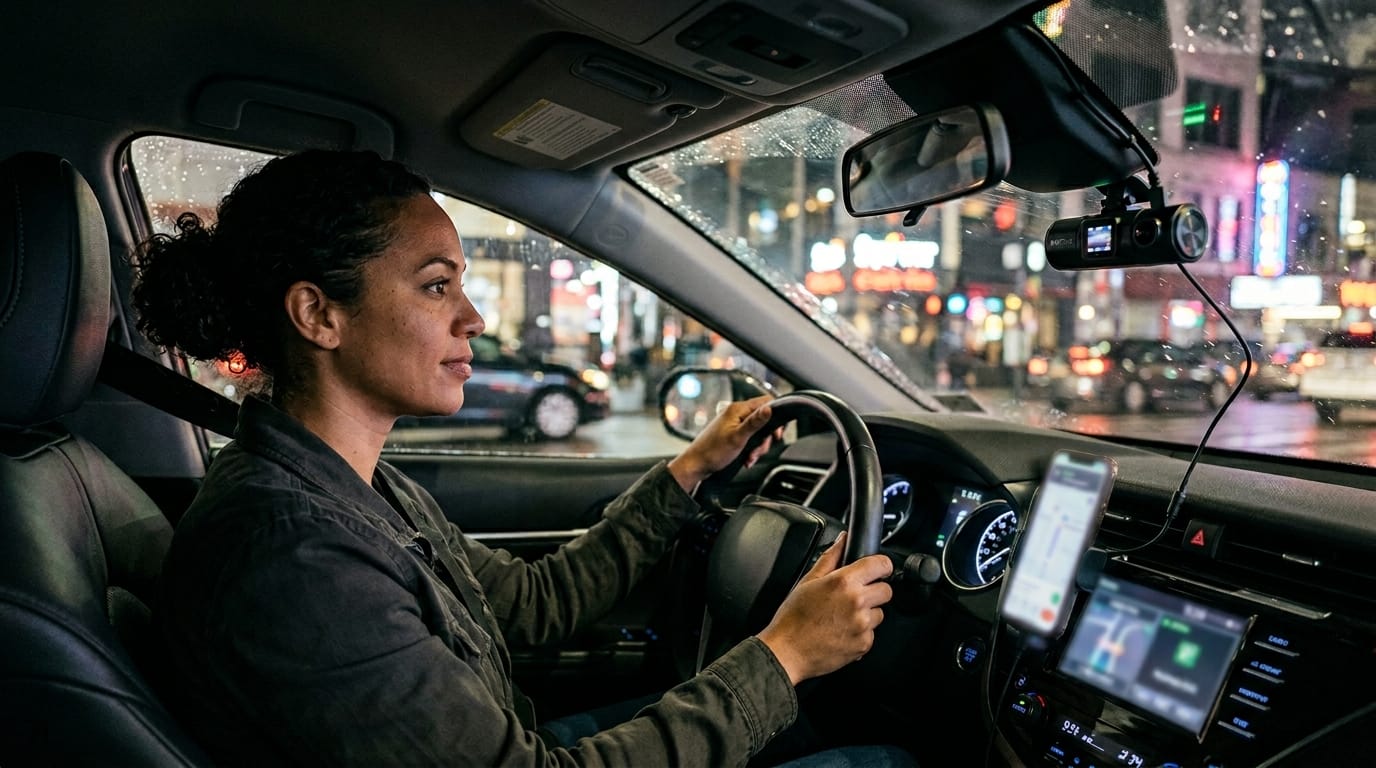
Drivers should care because robotaxis could affect trip supply and demand in specific zones. If autonomous vehicles take more short urban rides, downtown trips, or selected airport-adjacent routes in the future, human drivers may need to adapt. That does not mean every market becomes impossible. It means drivers should stop ignoring the trend.
Waymo, Uber, and Zoox are making robotaxis more visible
Waymo’s robotaxi footprint, Uber’s autonomous ride partnerships, and Zoox’s purpose-built vehicle strategy are making robotaxis more visible to regular riders. Instead of only seeing test cars, some users can now request or be matched with autonomous rides through familiar apps or robotaxi-specific services.
That matters because adoption often starts with curiosity. A rider may try one autonomous trip because it is available, then use it again if the experience feels smooth. Over time, repeated exposure can reduce fear. The more normal robotaxis feel, the more pressure they place on traditional rideshare companies, taxi services, regulators, and human drivers.
At the same time, visibility does not mean universal coverage. A robotaxi may operate in one part of a city but not another. It may avoid airports, highways, construction zones, certain weather conditions, or complicated pickup areas. Riders should treat robotaxi availability as market-specific, not automatic.
Uber users may see autonomous ride preferences
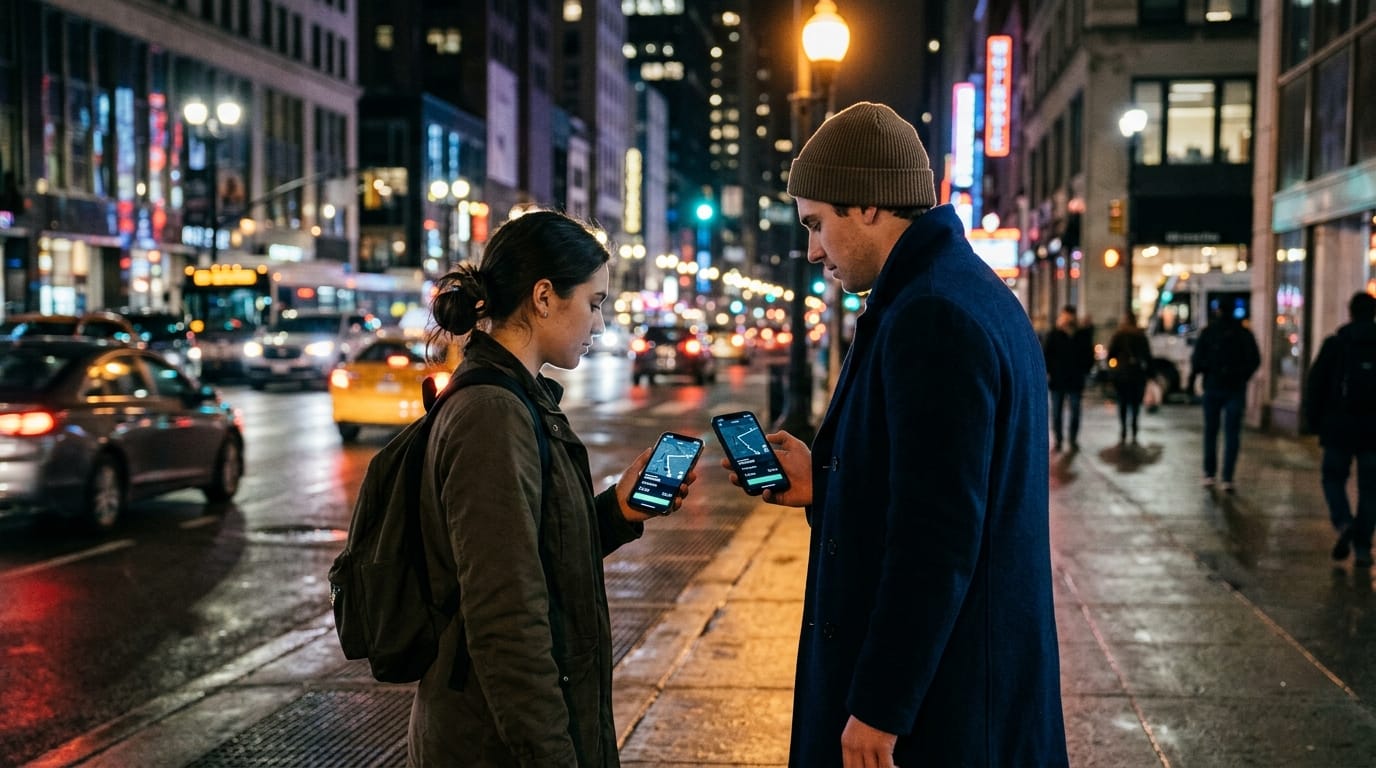
In some markets, Uber users may be able to turn on an autonomous vehicle preference or be offered an autonomous match when requesting eligible ride types. That is important because riders may not need to download a completely separate app to experience a robotaxi. The autonomous option can appear inside a platform they already use.
This also affects rider behavior. If the price looks similar and the wait time is reasonable, some riders may accept the robotaxi offer just to test it. Others may decline because they prefer a human driver. The key point is choice. Robotaxis are becoming another ride option, not just a tech demo.
Robotaxi availability still depends on service zones
Robotaxis do not operate everywhere. Service zones matter. A rider may be able to book an autonomous ride in one neighborhood but not across town. A trip may be eligible in daylight but handled differently during complex conditions. Certain airport trips, special event zones, or pickup points may remain limited depending on local rules and company policy.
Drivers should watch these service zones closely. The first impact on human driver earnings will likely be concentrated in the exact neighborhoods where robotaxis operate most efficiently. Dense urban areas, short trips, predictable routes, and high repeat demand are more likely to see early competition than rural or irregular routes.
What robotaxis mean for human rideshare drivers
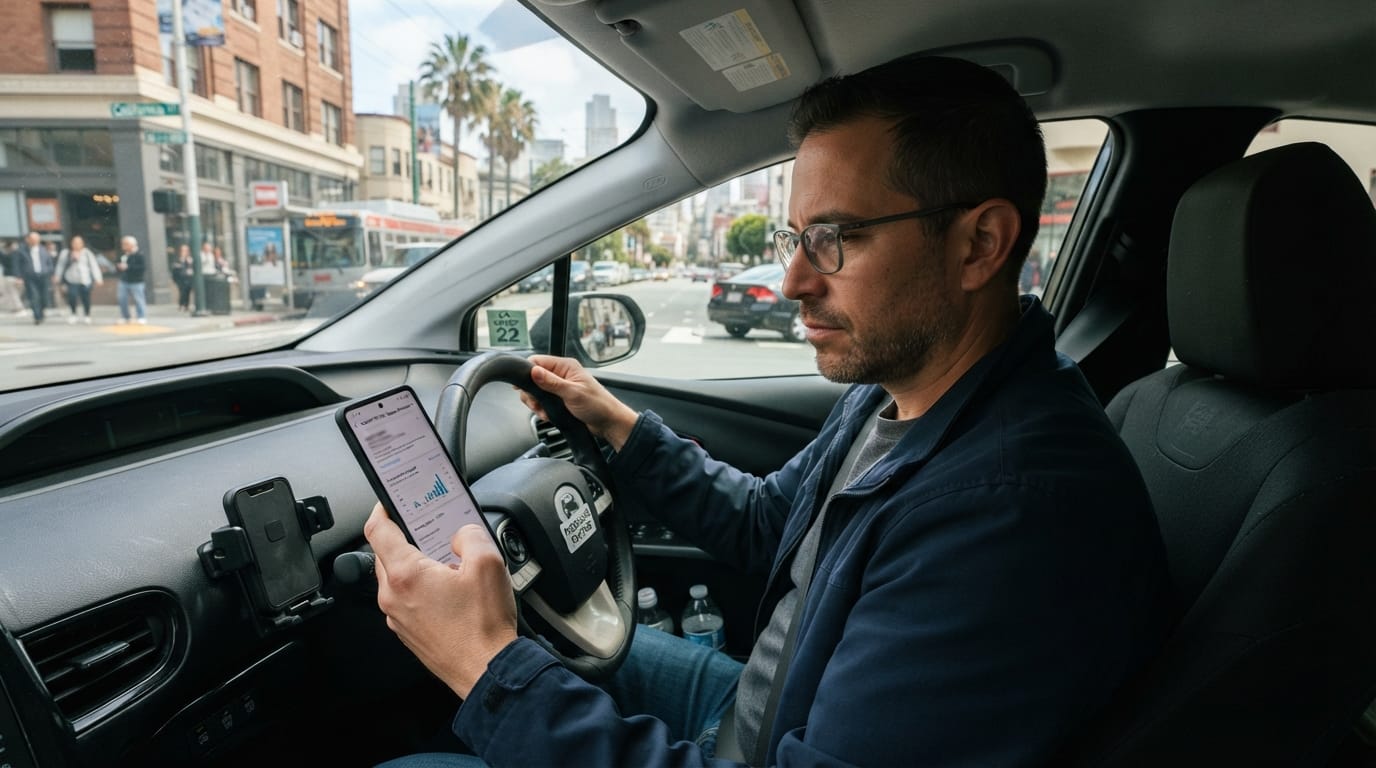
Human rideshare drivers should not panic, but they should pay attention. Robotaxis are a business trend, not a rumor. The smarter response is to track where autonomous rides are launching, which trip types they handle, and whether driver demand changes in those zones.
Drivers should also compare platforms and trip categories. If robotaxis reduce demand in one area, there may still be money in airport runs, suburban trips, premium rides, scheduled rides, accessibility support, delivery, events, and markets where autonomous service is not mature. The driver who adapts early has a better chance than the driver who waits until earnings already drop.
This connects with rideshare.blog’s guide on Uber vs Lyft for drivers in 2026. Platform choice matters more when the industry changes. A driver should not stay loyal to one app if another app, service type, or schedule produces better net income.
Driver displacement will likely be gradual, not equal everywhere
The biggest misunderstanding is thinking robotaxis will affect all drivers at the same time. That is unlikely. Robotaxi expansion is usually market-by-market and zone-by-zone. A driver in a major autonomous vehicle launch city may feel pressure before a driver in a smaller city. A downtown driver may feel it before a driver who focuses on suburbs, airport overflow, or longer regional trips.
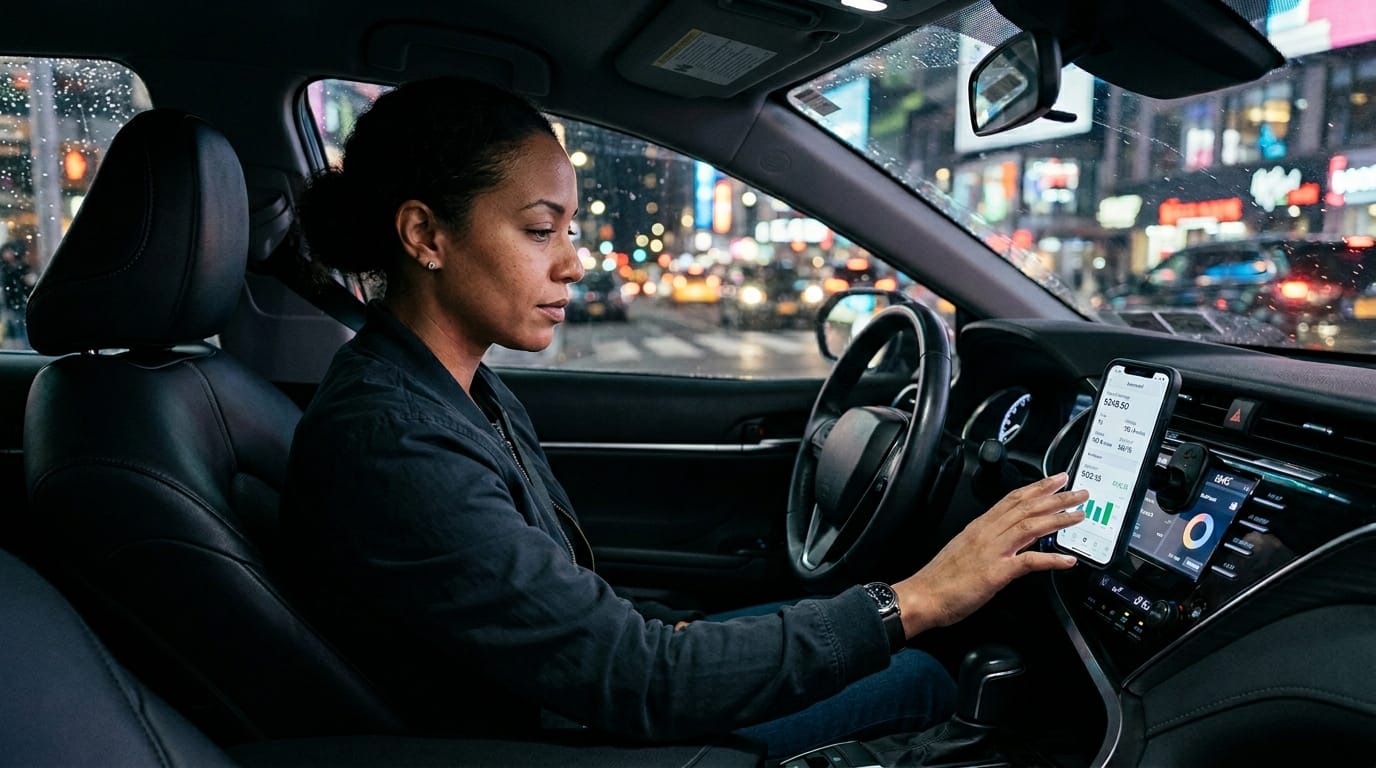
Drivers should use real numbers instead of guessing. Track weekly earnings, accepted trips, pickup miles, dead miles, wait times, and hourly net profit. The site’s rideshare mileage tracking in 2026 guide is useful here because drivers need to measure actual profit, not just gross app earnings.
What Riders Should Know Before Taking a Robotaxi
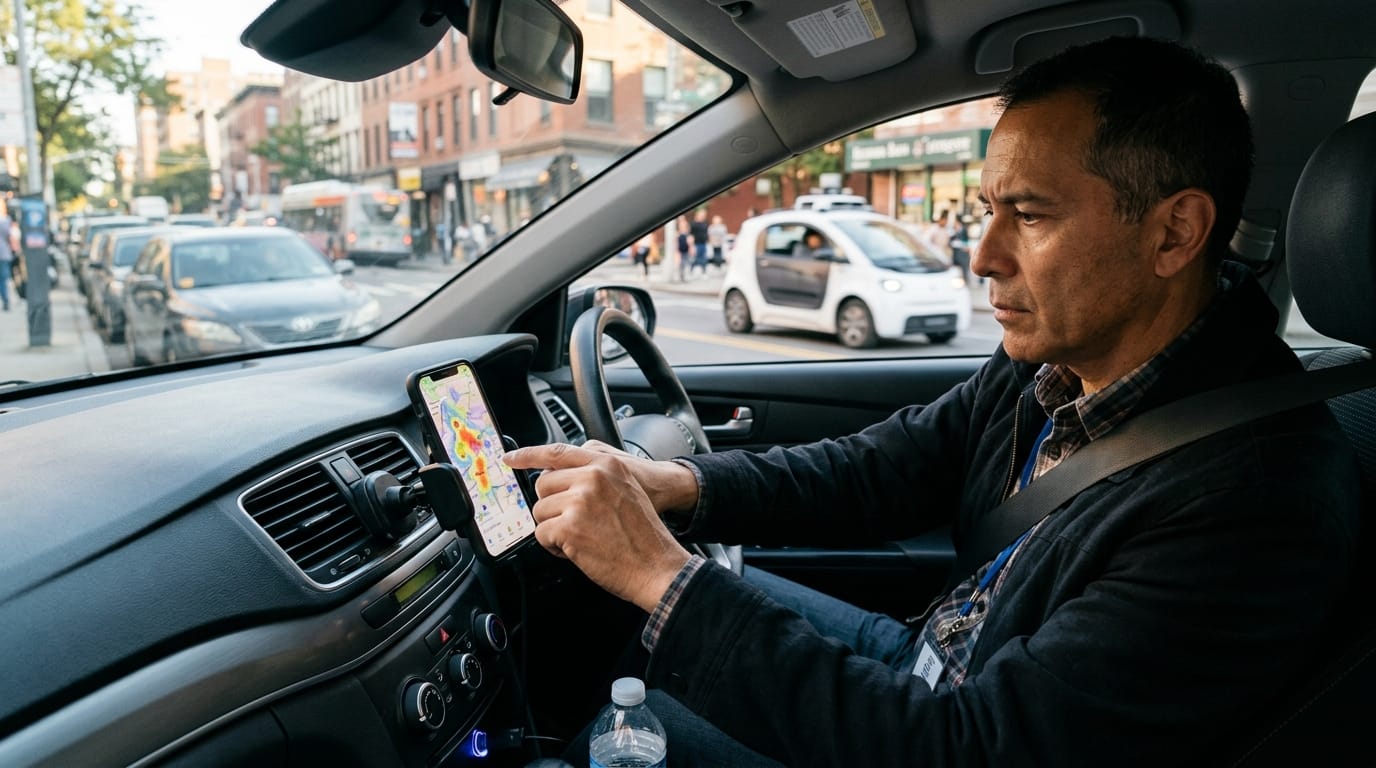
Riders should treat a robotaxi as a different type of ride experience. It may feel private, quiet, and consistent. It may also require the rider to follow instructions more carefully because there is no driver to ask for help. The rider may need to identify the vehicle through the app, unlock doors correctly, sit in the allowed seats, use in-car screens, contact support through the app, and understand how pickup timing works.
Before accepting an autonomous ride, riders should check the pickup location, vehicle details, rider rules, support options, and whether the trip fits their needs. A robotaxi may not be the best choice if the rider needs help loading heavy bags, installing a child seat quickly, managing several children, traveling with a pet that is not allowed, or navigating an unusual pickup area.
Pricing is another issue. Robotaxis could eventually pressure fares, but riders should not assume autonomous means cheap. Fare systems may still depend on demand, supply, distance, time, vehicle type, and platform pricing logic. Readers interested in fare transparency should review Uber and Lyft AI pricing in 2026. Robotaxi pricing may become part of the same larger conversation about how rideshare apps explain fares.
Safety, support, and privacy questions will shape adoption
Safety will shape whether riders keep using robotaxis after the first curiosity ride. Riders want to know what happens if the vehicle stops, gets confused, blocks traffic, encounters a crash, or needs help from support. They also want to know what data is collected inside the car, whether cameras are recording, and how emergency help works.
These concerns do not automatically mean robotaxis are unsafe. They mean the experience needs clear communication. A rider without a human driver needs confidence in the app, vehicle interface, support team, and emergency process. If the process feels confusing, riders may return to human-driven trips even if the technology works most of the time.
This connects with rideshare.blog’s guide on rideshare safety recording in 2026. Whether the ride has a human driver or a robotaxi system, recording, verification, support, and accountability are now central parts of the rideshare trust equation.
Parents should be especially careful. Robotaxi services may have limits for teen riders, child seats, and unaccompanied minors. Anyone booking rides for younger passengers should also read teen rideshare safety in 2026 before assuming an autonomous ride is appropriate.
Check vehicle details, pickup rules, and support options
Before entering any robotaxi, riders should confirm the vehicle details in the app. Check the license plate, vehicle model, pickup location, rider name or initials if shown, and any app instructions. Do not enter a vehicle just because it looks autonomous. Use the same basic safety habits you would use with a human-driven rideshare.
Riders should also know how to contact support before the trip starts. Look for in-app help, in-car screens, emergency buttons, audio support, or safety tools. If something feels unclear, do not board. A good ride should feel understandable before the doors close.
Robotaxi expansion may also push interest toward other rideshare models. If riders become more selective about price, trust, and service type, alternatives could gain attention. That is why the site’s guide on subscription rideshare apps in 2026 is a useful related read. The future may not be one model replacing another. It may be a mix of human drivers, robotaxis, subscriptions, taxis, delivery fleets, and local mobility services competing for different types of trips.
For official safety background, readers can review the NHTSA automated vehicle safety resource. It explains automated driving systems, safety potential, current limitations, and federal oversight of testing and deployment.
The bottom line is straightforward. Robotaxi expansion in 2026 is real, but it is still uneven. Riders should learn how autonomous pickups, support, privacy, pricing, and service zones work before treating robotaxis like ordinary rides. Drivers should track where robotaxis are operating, measure their own earnings carefully, and adapt before the market forces them to.
Human drivers are not disappearing tomorrow. But the rideshare industry is changing fast. The winners will be the riders who compare options wisely and the drivers who treat robotaxis as a business signal instead of background noise.