California rideshare insurance changes in 2026 affect a question many passengers rarely consider until after a collision: what insurance protection applies when they are inside an Uber or Lyft vehicle? Senate Bill 371 changed the minimum uninsured and underinsured motorist coverage required during the passenger portion of a transportation-network-company trip. The change is significant, but it does not mean that all rideshare insurance disappeared or that every passenger’s ability to bring a claim has been capped at the new coverage limit.
For riders, the useful approach is to understand the difference between liability protection, uninsured-motorist protection, and a company’s claim-reporting process. This guide explains the 2026 framework in plain language, offers practical precautions before and after a trip, and points to current California regulatory information. It is an educational overview rather than legal advice. For authoritative limits and definitions, start with the California Public Utilities Commission’s rideshare insurance page.
What Changed Under California’s 2026 Rideshare Insurance Rules
California has regulated rideshare insurance for years, including the periods when a driver is available, traveling toward a passenger, and transporting someone. Senate Bill 371, effective January 1, 2026, changed the mandatory uninsured and underinsured motorist coverage associated with passengers in rideshare vehicles. The CPUC currently lists $60,000 per person and $300,000 per incident for that type of protection during Period 3, the time a passenger is in the vehicle until the passenger exits.
Uninsured Motorist Coverage Is Not the Same as Liability Coverage
Uninsured motorist coverage generally becomes relevant when a crash involves an at-fault motorist who lacks qualifying insurance, subject to the policy and applicable law. Underinsured motorist coverage can matter when the responsible driver’s limits are insufficient for a covered loss. These are different from the commercial liability insurance carried for covered claims involving the rideshare driver’s responsibility. In California, the CPUC continues to describe $1 million in primary commercial liability insurance during accepted-request and passenger periods.
That distinction is critical. Headlines about lower uninsured-motorist limits may sound like the entire rideshare insurance requirement fell from $1 million. It did not. Different protections address different circumstances, and a crash may involve several insurance policies, parties, and factual disputes. Coverage amounts do not automatically determine a particular passenger’s recovery. The facts of the collision, available claims, policy language, and legal rules all remain relevant.
How the $60,000 and $300,000 Limits Work
The CPUC identifies required passenger-period uninsured and underinsured motorist coverage of $60,000 per person and $300,000 per incident. The first amount is the per-person requirement; the second is the incident-level requirement. These figures describe required coverage in a specified category, not a guarantee that an injured rider will receive that amount. Nor should a reader assume that the amounts describe every possible coverage source. An individual claim can involve medical documentation, disputed fault, other available insurance, and separate liability theories.
Why the App’s Trip Timeline Still Matters
California’s framework assigns different insurance obligations to different phases of a ride. When the driver has the app on but has not accepted a request, the waiting-period rules apply. Once a request is accepted and the driver is going to the pickup, commercial liability requirements change. When the passenger enters the vehicle, the passenger-period coverage applies until exit. For someone hurt in a rideshare collision, details such as the accepted ride, the pickup time, and the completed-trip record can help identify which phase was underway.
Keep the distinction between a rideshare trip and an ordinary private ride clear. A personal trip outside the platform may not be subject to the same commercial framework. If someone offers to cancel an app booking in exchange for direct payment, the rider should recognize that the insurance and safety implications may be different. Staying in the platform helps preserve an official trip record and access to its built-in reporting process.
Where Passengers Can Verify the Current Rule
The CPUC provides a public summary of transportation-network-company insurance requirements, while California Public Utilities Code section 5433 contains the underlying legal framework. If a company help page conflicts with a viral social post, use the regulator and statutory text as the starting point. Keep in mind that policies can provide coverage beyond a legal minimum, and the law can change after an article is published. Save a dated copy of relevant guidance if you are reviewing a specific incident.
How Riders Can Prepare and Respond After an Accident
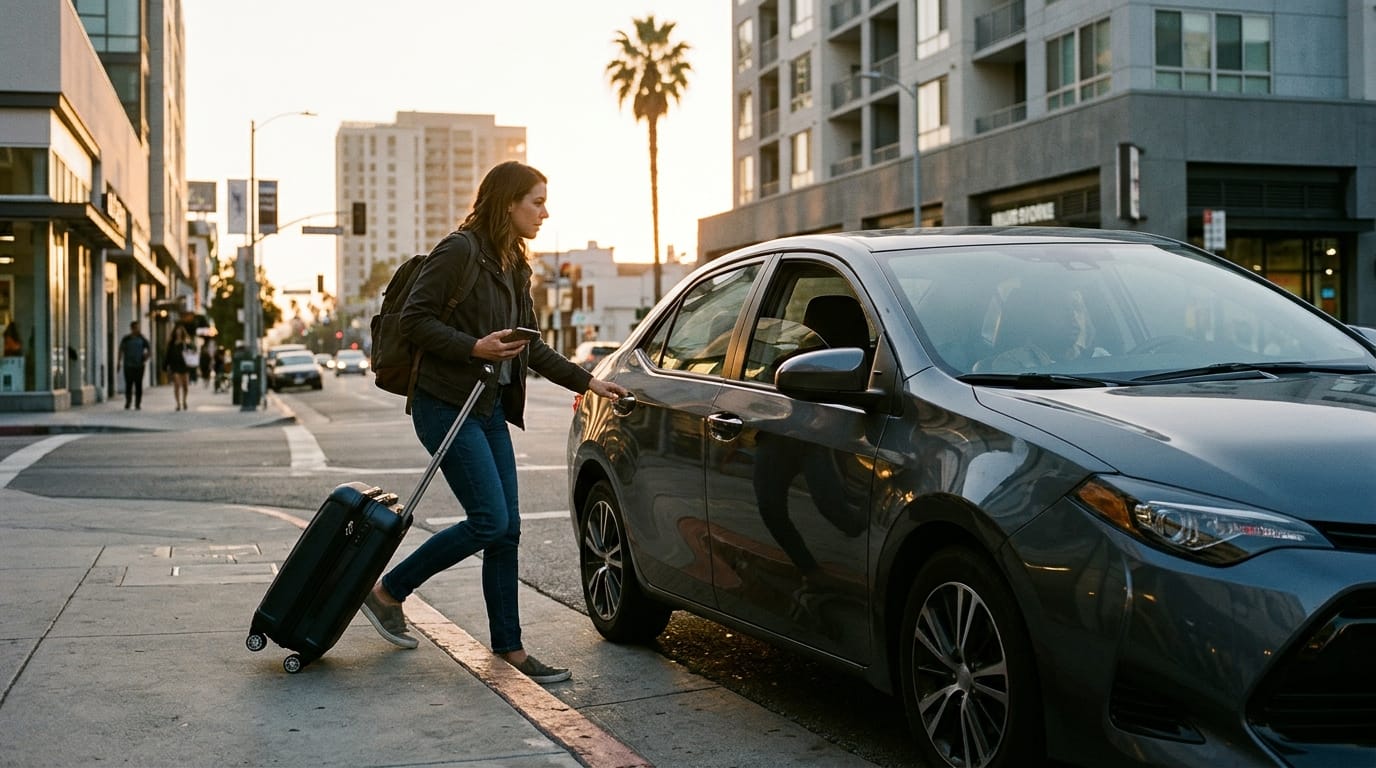
Most trips end without an incident, and insurance is only one part of the safety picture. Before a ride, match the driver’s name, plate, and vehicle details to the app, choose a safe pickup point, and share the trip through the app if that feature is useful to you. Wear a seat belt even for short journeys. Do not put pressure on a driver to stop in an unsafe place. The goal is ordinary, repeatable travel habits rather than anxiety about every ride.
Document the Ride and Put Medical Needs First
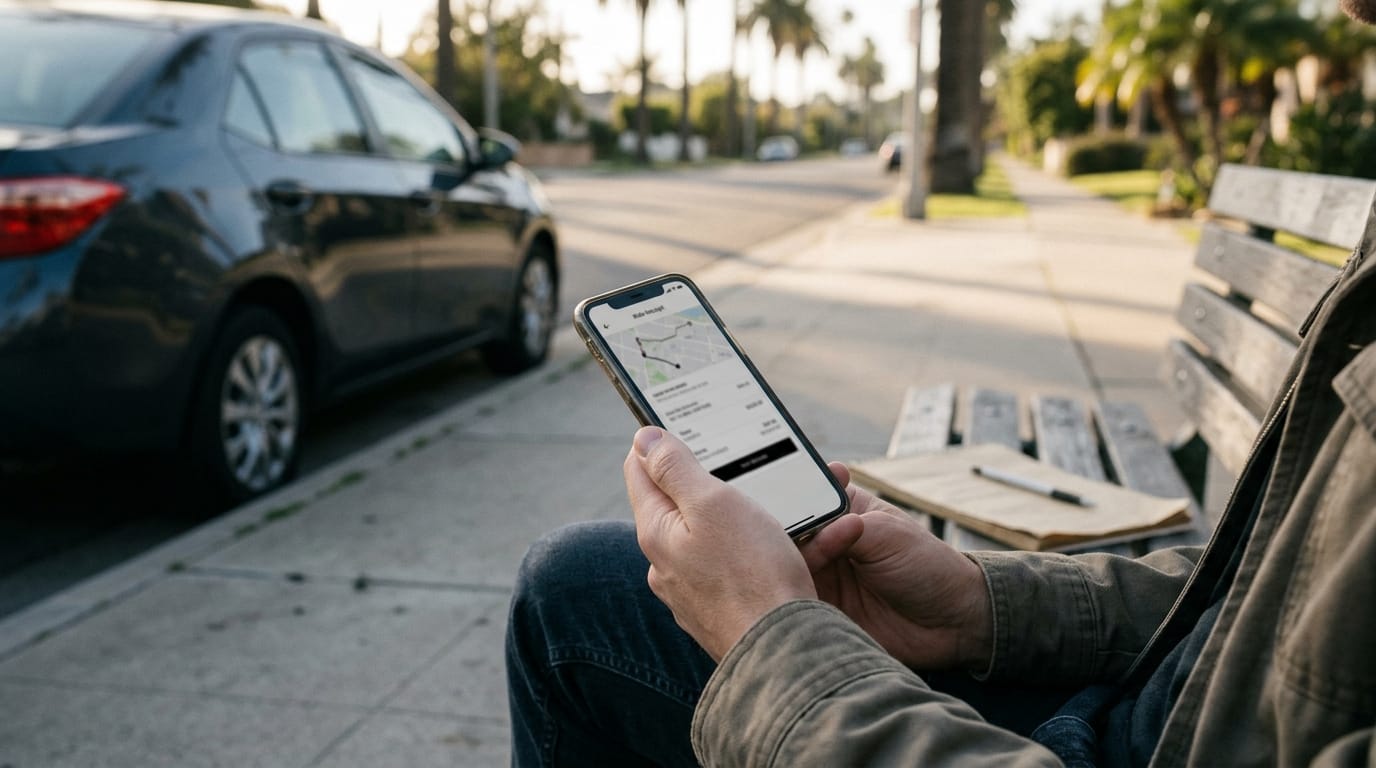
After a collision, prioritize safety and emergency medical care. If it is safe, capture the trip ID, vehicle information, app receipt, photos of visible damage and the scene, and contact details for witnesses. Tell responders about any pain or symptoms, and seek appropriate evaluation even if some symptoms appear later. Report the incident using the platform’s official process and record the case number. Avoid sharing personal medical information in public comments or posting assumptions about fault before the facts have been established.
Keep a Clear Record of Expenses and Communications
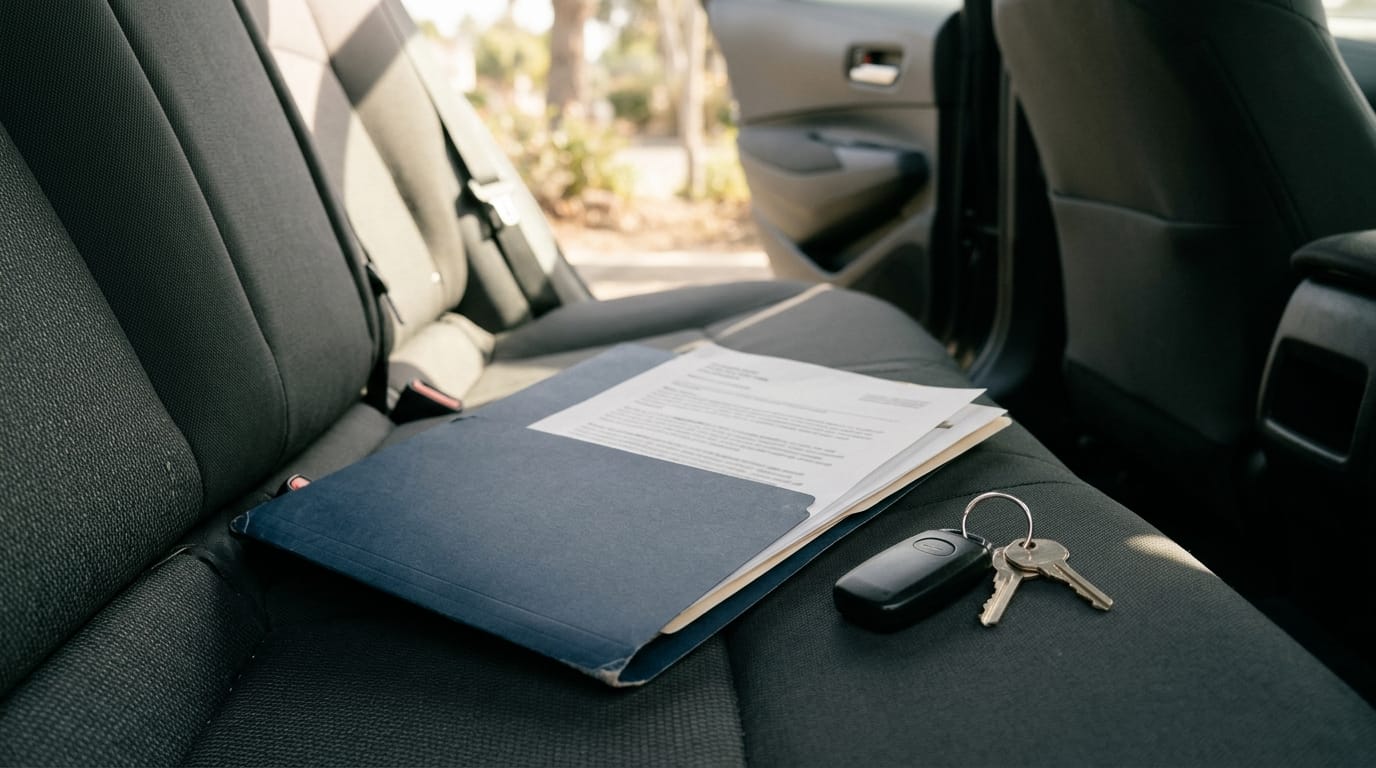
Save medical bills, receipts, appointment summaries, transportation expenses, time missed from work, and written exchanges with insurers or platform representatives. Organize the documents by date, and keep original photographs or videos. If someone asks you to sign a release or accept a settlement, understand what rights it may affect before agreeing. Significant injuries or disputed liability can justify consulting a licensed attorney who handles these claims. Be cautious about anyone promising a fixed settlement based only on the public insurance limit.
For a separate example of California platform disputes, see our report on the 2026 Lyft driver settlement. That case concerns a different issue from passenger collision coverage, but it illustrates why identifying the exact legal question matters before comparing headline numbers.
What These Changes Do Not Tell You About Ride Prices
Insurance costs are part of the economics of operating a rideshare service, and supporters of SB 371 argued that reforms could help manage those costs. But the existence of an insurance change does not establish how much any one ride will cost, how quickly a fare will change, or whether a specific passenger will see savings. Prices also depend on demand, time, location, platform decisions, and other expenses. Treat claims of automatic fare reductions as predictions unless supported by actual, relevant pricing data.
Frequently asked question: Did California eliminate Uber and Lyft passenger protection?
No. The state continues to require multiple types of coverage, including commercial liability coverage. SB 371 changed a particular passenger-period uninsured and underinsured motorist minimum, not every available insurance protection.
Does the $60,000 figure limit every injury claim? No. It refers to a required per-person coverage amount in one category. Different parties, insurers, legal claims, and policy terms may affect an individual case. Do not treat a minimum coverage figure as a universal damages cap.
What if another driver caused the crash? Coverage may involve the responsible driver’s policy, uninsured or underinsured motorist protection where applicable, and other potential sources. The available path depends on facts and policies, so preserve evidence and obtain qualified advice for a serious injury.
Do these rules apply to every state? No. Transportation-network-company insurance is regulated partly at the state level. This article addresses California’s 2026 framework. Travelers outside California should check the rules and policy information for that jurisdiction.
The practical takeaway is simple: passengers do not need to become insurance experts to ride safely, but they should understand the headlines they encounter. In 2026, California changed a particular uninsured-motorist coverage requirement while retaining other significant protections. Verify the current rule with the CPUC, keep the trip inside the platform, and preserve clear records if something goes wrong. In a complex claim, precise facts matter far more than a single insurance headline.