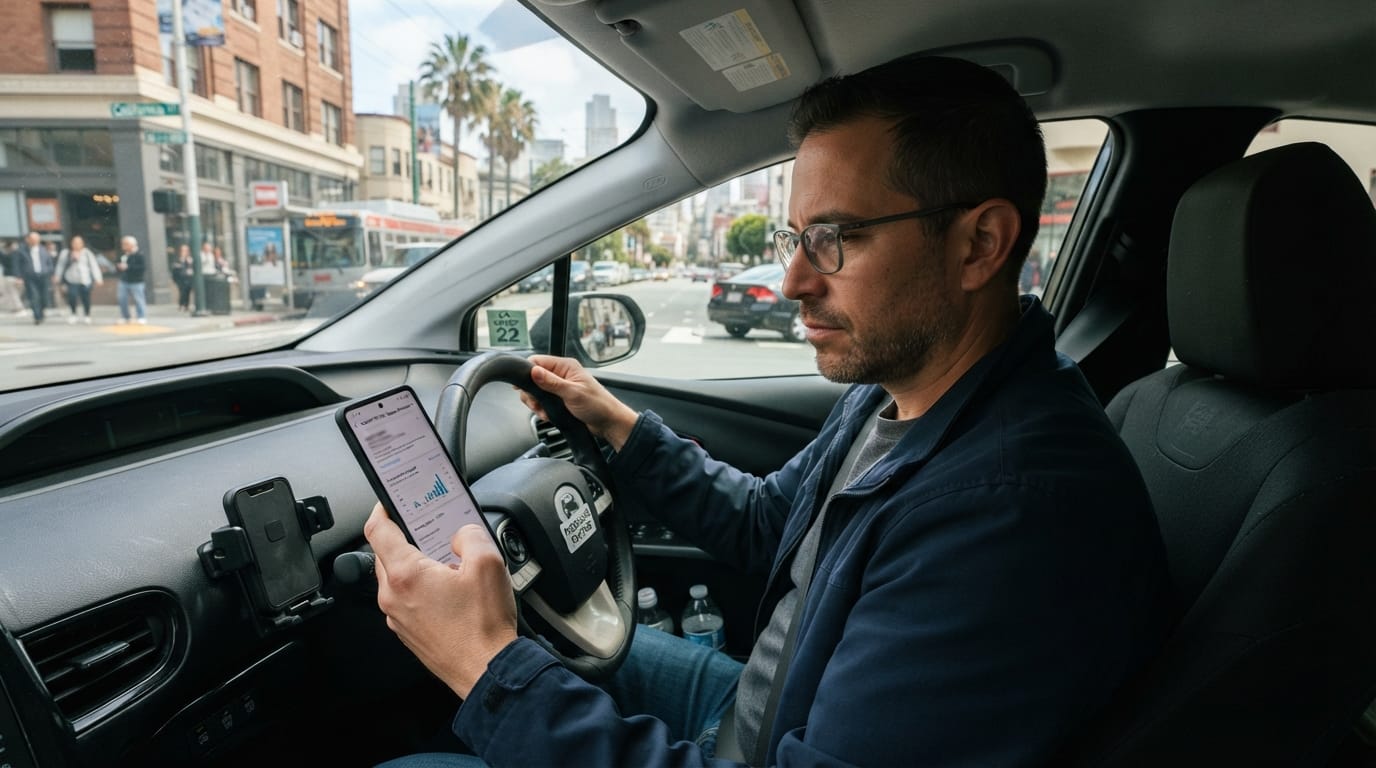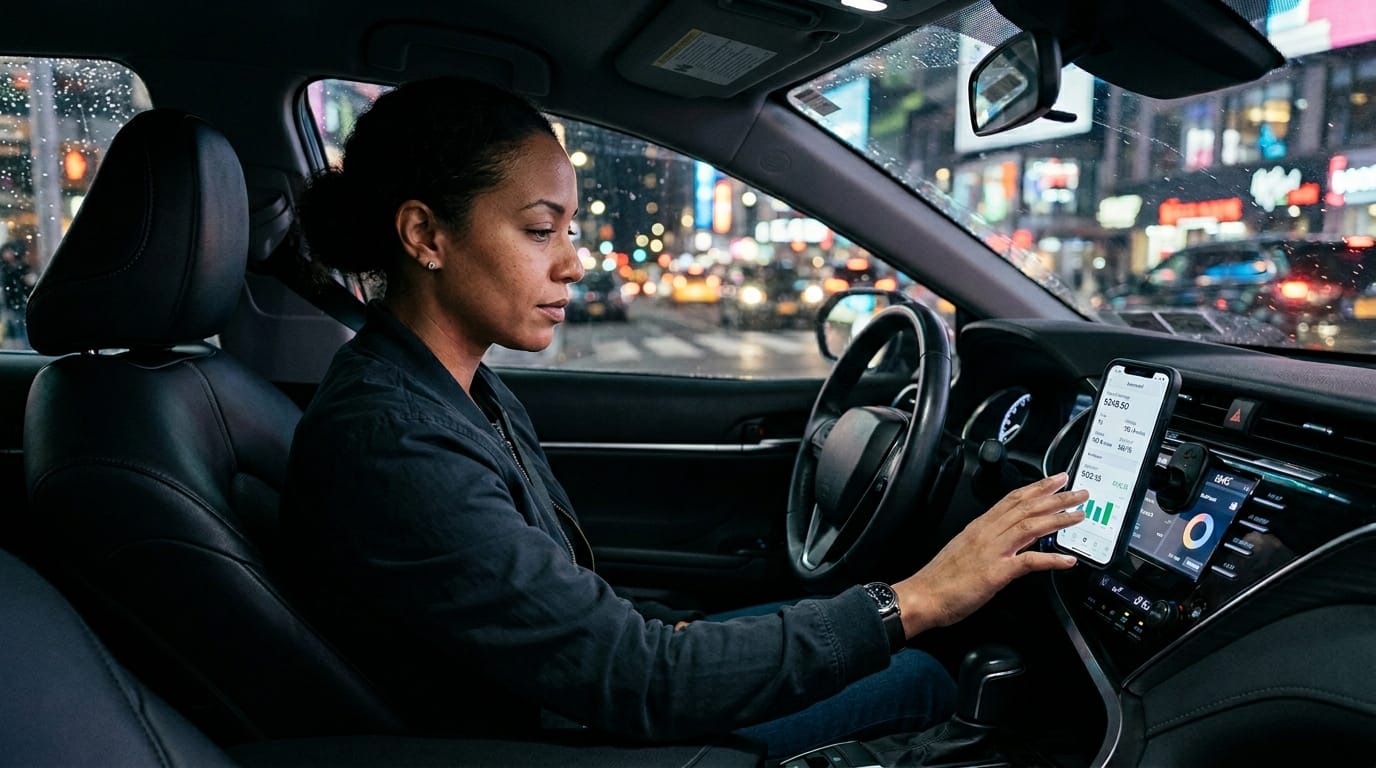
Rideshare safety recording in 2026 is becoming one of the most practical protection tools for Uber and Lyft drivers. Drivers spend long hours with strangers in their personal vehicles. Most trips are normal, but one bad ride can create a serious problem. A false complaint, aggressive rider, crash, property damage dispute, or safety report can threaten income quickly.
Recording tools are not only about catching bad behavior. They can also help explain what happened during a difficult trip. A dashcam, phone-based trip recording, route screenshot, verified rider detail, or saved support message may help a driver respond with facts instead of stress.
This guide explains how rideshare safety recording in 2026 fits into driver protection. It covers dashcams, trip recording, verified riders, passenger complaints, deactivation appeals, privacy issues, and smart evidence habits.
Why Rideshare Safety Recording in 2026 Matters
Rideshare platforms are adding more safety tools because both riders and drivers want better protection. Uber says drivers can record trips through Record My Ride, register a dashcam, or use both. Uber also says riders receive a notice when a driver registers a dashcam or enables Record My Ride, and drivers can submit recordings to Support after a safety issue.
These tools matter because platform decisions can move fast. A driver may receive a warning, investigation notice, account hold, or deactivation message after a rider report. Without evidence, the driver may only have a written explanation.
Rideshare.blog already covers this risk in rideshare driver deactivation appeals in 2026. Safety recording supports that topic because appeals are stronger when the driver has a timeline, trip details, and relevant proof.
Dashcams can protect against road and cabin disputes
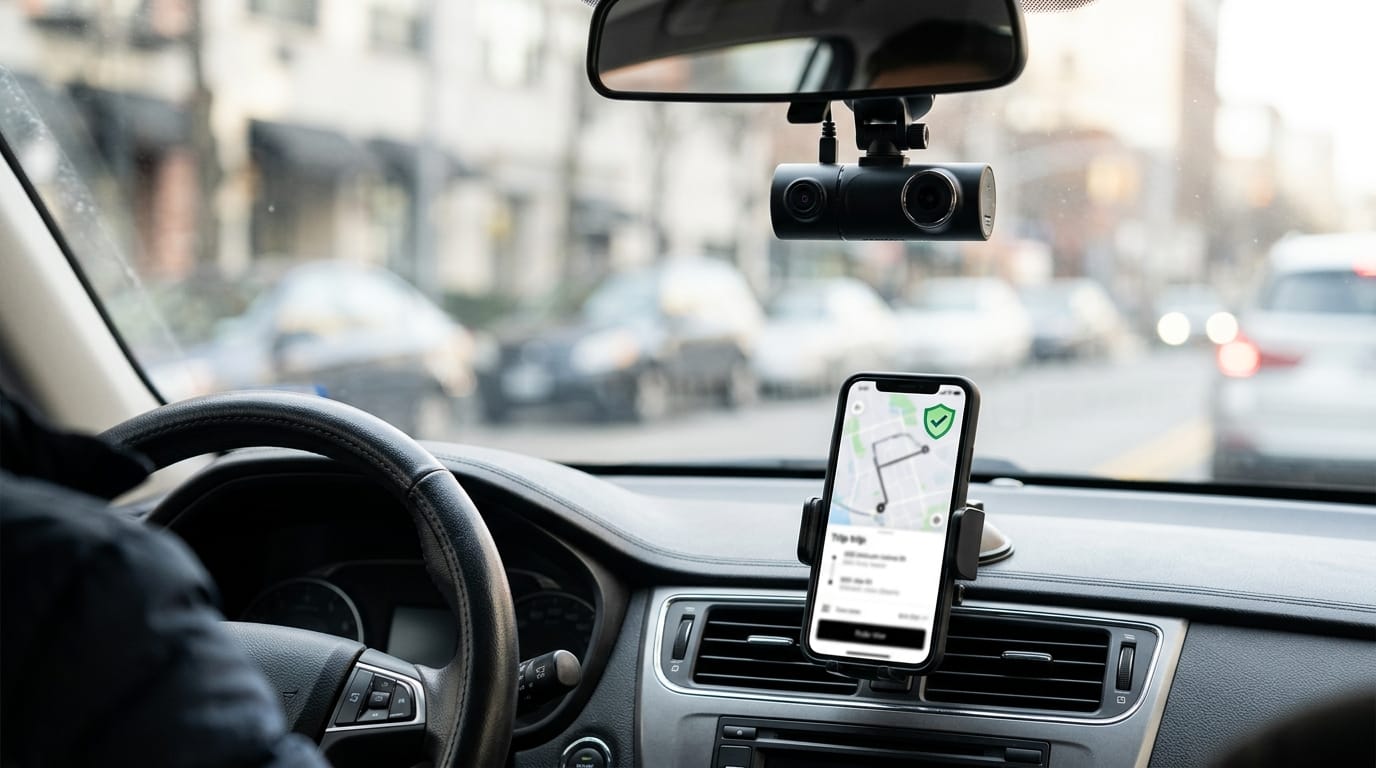
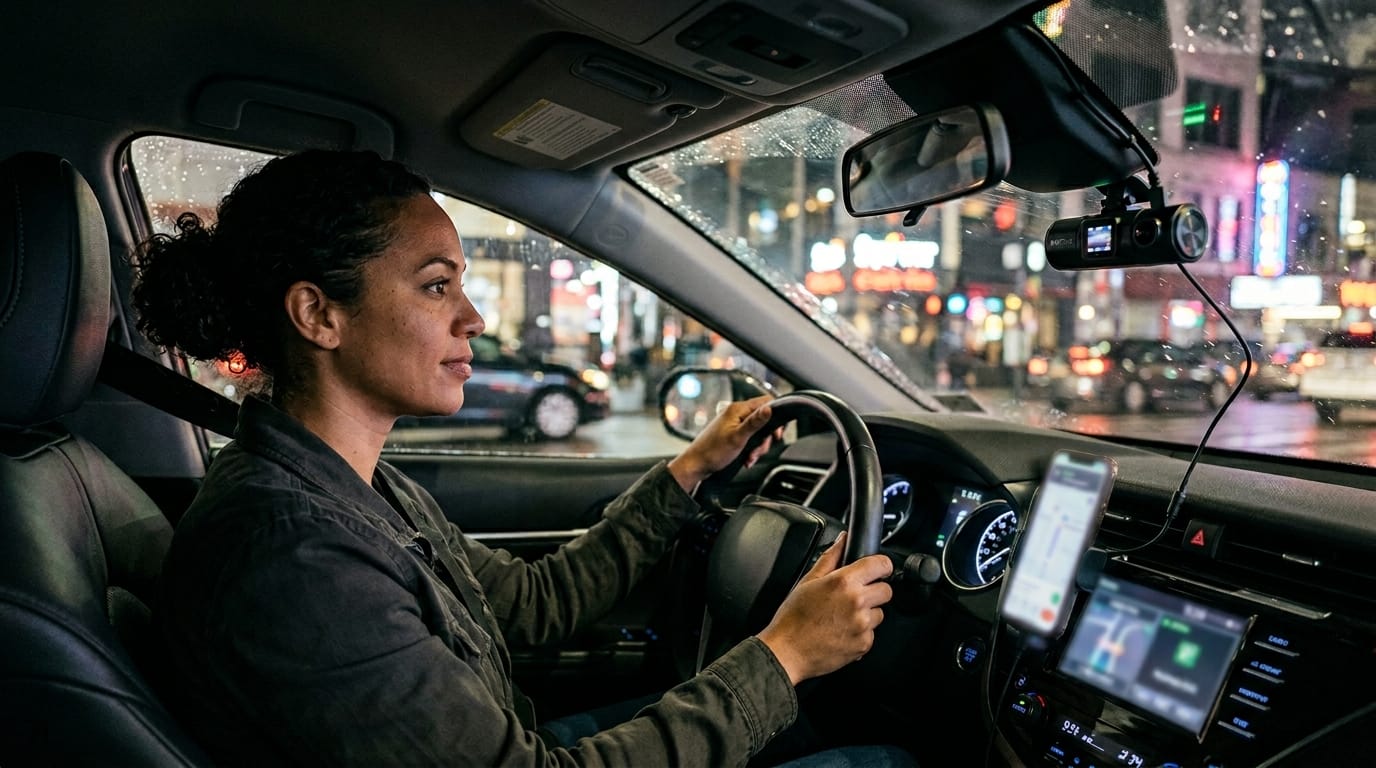
A dashcam can record what happens outside and inside the vehicle. The front camera may show lane position, traffic lights, road hazards, another driver’s behavior, or crash timing. The cabin camera may show rider conduct, seat location, open containers, verbal conflict, property damage, or whether a complaint matches the trip.
That difference matters. A road-only camera may help after a crash, but it may not show what happened inside the car. A cabin camera may help with rider disputes, but it may not capture the full traffic situation. Many rideshare drivers prefer dual-facing dashcams because both views can matter.
Recording can also reduce confusion after a stressful ride. Memory gets messy when a rider argues, refuses to exit, makes a threat, or files a report later. A saved clip can preserve the facts.
Front-facing and interior cameras serve different jobs
A front-facing camera mainly helps with road evidence. It can show whether another driver cut off the car, whether a pedestrian entered suddenly, or whether the rideshare driver stopped safely. This can matter for insurance claims and crash reports.
An interior-facing camera helps with passenger behavior. It may show whether the driver stayed calm, whether the rider damaged the vehicle, or whether a rider’s complaint lacks context. For rideshare work, both camera angles can support driver protection.
Notice and recording laws need attention
Drivers should check local recording and consent rules before recording audio or cabin footage. Some locations treat video and audio differently. In some places, audio recording requires stronger notice or consent.
Platform notice can help, but it may not answer every legal question. A visible sign inside the car may also reduce surprises. Drivers should avoid posting rider footage online for entertainment or revenge. Use recordings for safety reports, appeals, insurance claims, or official evidence needs.
Verified riders can help drivers make better decisions
Verified rider tools are becoming more visible in rideshare safety. Uber says its rider verification process can cross-check account information against third-party databases. If Uber cannot validate information, a rider may be asked to upload government ID or other documentation with a selfie to complete verification.
For drivers, verification can add confidence before accepting a trip. It does not guarantee a perfect ride, but it can reduce uncertainty. It may also discourage fake names, suspicious accounts, and some forms of platform abuse.
This connects with rideshare.blog’s article on teen rideshare safety in 2026. Rider identity, trip supervision, safety notices, and driver confidence all matter when platforms carry younger or more vulnerable passengers.
Verification is helpful, but not a replacement for judgment
A verified badge does not mean every ride is safe. Drivers still need to watch pickup location, rider behavior, route changes, group size, intoxication, and unusual requests. Verification is one signal, not the whole decision.
If a ride feels unsafe, the driver should use platform safety tools and avoid unnecessary conflict. A smart driver combines verification details, dashcam use, trip records, and practical judgment.
How Drivers Can Build a Stronger Safety Recording System

A good rideshare safety recording system should be simple. Drivers should not need to think about it during every trip. The camera should turn on reliably, store footage correctly, and produce clear clips when needed.
Start with equipment. A practical rideshare dashcam should have front and cabin views, night vision, clear timestamps, loop recording, emergency clip lock, stable mounting, and reliable memory-card support. Heat resistance also matters because rideshare cars sit in sun and run long shifts.
Drivers should test the system before relying on it. Check the angle, audio setting, date, time, storage capacity, and clip quality. A dashcam that records blurry footage or the wrong angle may not help when a dispute happens.
Save clips before they disappear
Many dashcams overwrite older footage when the memory card fills. That can create a problem if a passenger complaint arrives later. A driver may remember the ride clearly, but the clip may be gone.
After any unusual trip, save the clip right away. This includes threats, property damage, intoxication, unsafe behavior, route disputes, refused exit, cleanup issues, crashes, near misses, or anything that could become a report.
A saved clip works best when paired with other evidence. Keep trip screenshots, rider messages, platform emails, support case numbers, photos, cleaning receipts, police reports, and insurance claim details.
Organize evidence before filing an appeal or report
Drivers should avoid sending emotional, confusing, or oversized evidence packages. A clear timeline works better. Include the trip date, pickup and drop-off area, short summary, relevant screenshot, and exact clip if the platform allows upload.
This kind of organization also helps if the issue involves driver pay or account access. Rideshare.blog’s guide on rideshare mileage tracking in 2026 shows why good records matter for drivers beyond safety. Records protect income, taxes, and platform disputes.
Safety recording also connects with driver earnings. A deactivation, accident, or long investigation can stop income fast. Even if the driver later wins, the lost days may hurt. That is why evidence should be treated as part of the business, not just a gadget.
Drivers should also compare recording with trip acceptance strategy. A high-paying trip may still carry risk if the pickup looks unsafe, the rider messages aggressively, the route seems strange, or the stop request keeps changing. The article on Uber vs Lyft for drivers in 2026 can support readers comparing platform safety, pay, and driver experience together.
Safety tools are also part of the wider rideshare trend. Platforms are experimenting with verification, recording, teen accounts, personalization, and future mobility. Rideshare.blog’s article on subscription rideshare apps in 2026 is useful because new platform models may change driver control, rider information, and safety expectations.
A recording strategy should also protect privacy. Drivers should store footage securely, delete old clips they no longer need, and avoid sharing passenger images casually. If footage involves a serious safety issue, crash, crime, or insurance dispute, keep it organized and use official channels.
For late-night work, recording becomes even more important. Bar pickups, event exits, airport rides, long trips, and isolated drop-offs can create more risk. A visible dashcam may encourage better rider behavior, and saved footage can help if a trip turns into a complaint or safety report.
Rideshare safety recording in 2026 is not about assuming every rider is a problem. It is about preparing for the rare ride that can damage income, safety, or account access. Drivers who wait until after a false report may wish they had recorded the trip.
The best setup is practical. Register the camera when the platform allows it. Check local recording rules. Use clear passenger notice. Save unusual clips quickly. Keep trip screenshots and support messages. Submit only relevant footage through official channels.
For Uber and Lyft drivers, the lesson is simple. Safety tools are part of the job now. Verified riders, dashcams, trip recording, and organized evidence can give drivers a stronger position when something goes wrong. In 2026, the driver who protects the record protects the business.