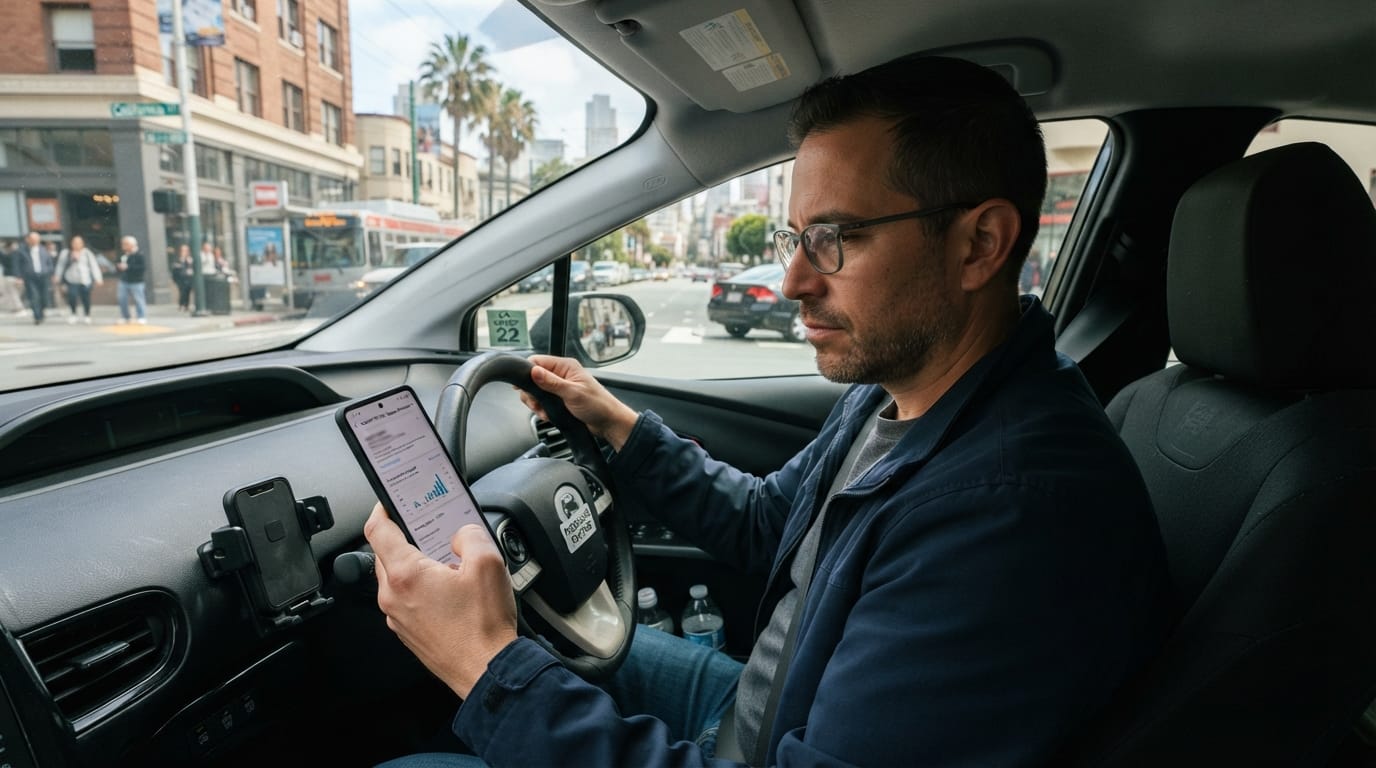

Rideshare mileage tracking in 2026 is one of the most important habits for Uber and Lyft drivers who want to understand real profit. The app may show weekly earnings, trip totals, tips, bonuses, and ride counts. However, those numbers do not show the full cost of driving.
Every mile matters. A driver pays for fuel, tires, brakes, oil changes, cleaning, insurance, phone service, vehicle depreciation, and maintenance. Some miles produce income. Other miles only move the car from one place to another. If a driver does not track both, the business math stays incomplete.
This guide explains how rideshare mileage tracking in 2026 can help drivers protect tax records, reduce wasted miles, understand dead miles, compare apps, and make better decisions before accepting the next trip.
Why Rideshare Mileage Tracking in 2026 Matters
Mileage is one of the biggest costs in rideshare driving. It affects taxes, vehicle wear, fuel spending, repair timing, and long-term car value. Many drivers think about mileage only during tax season. That is a mistake.
The IRS set the 2026 standard mileage rate for business use at 72.5 cents per mile. Drivers can review the official IRS 2026 standard mileage rate announcement for current guidance. This rate matters because many self-employed drivers use mileage records to support vehicle-related deductions.
Still, tax deductions are only one part of the value. A driver who tracks miles every week can see whether the work is actually profitable. That weekly view is more useful than guessing at the end of the year.
Gross earnings do not show real driver profit
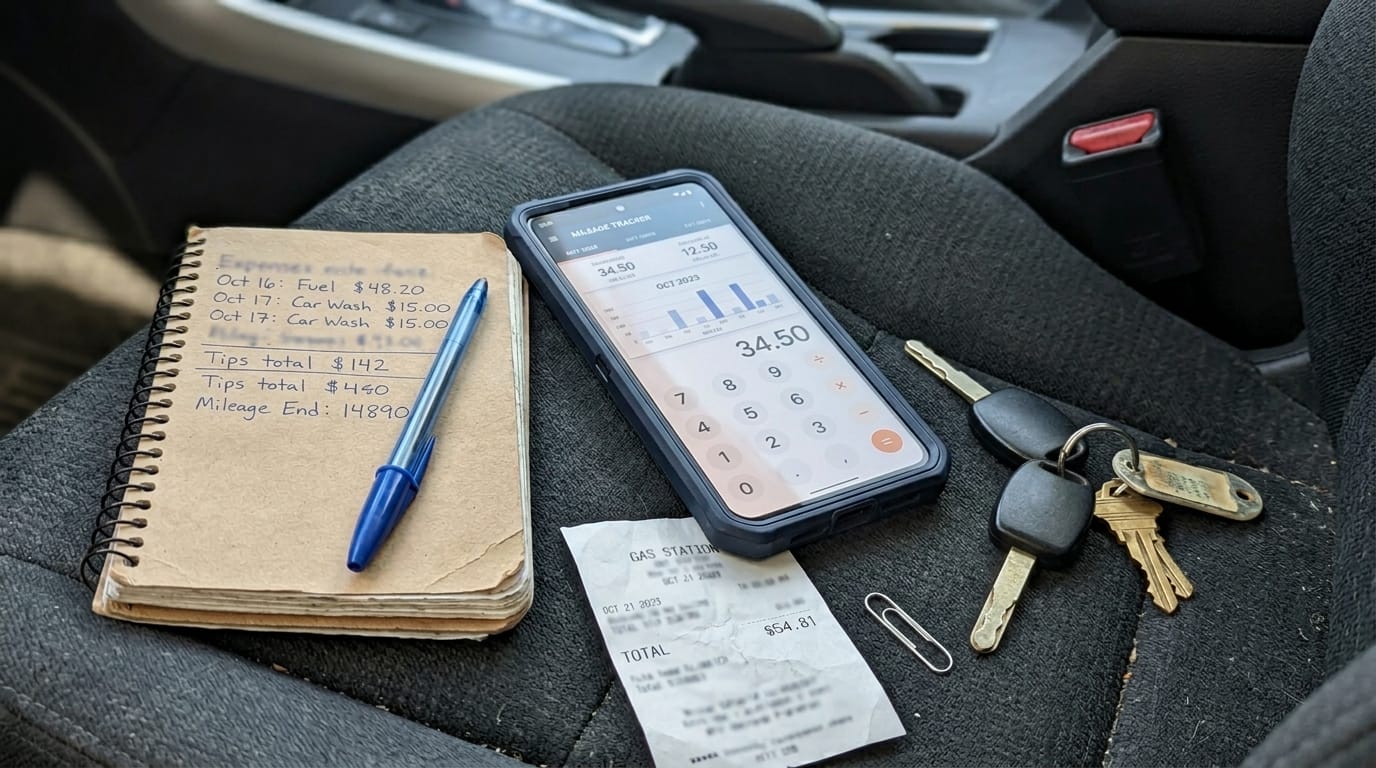
Gross earnings are easy to read inside the app. Real profit takes more work. A driver needs to subtract fuel, dead miles, maintenance, cleaning, tolls, parking, insurance, and future vehicle wear.
A $250 day may feel strong at first. After fuel, unpaid miles, tire wear, and extra cleaning, the real result may look different. That does not mean the shift was bad. It means the driver needs better numbers before judging success.
This connects naturally with rideshare.blog’s article on how high fuel prices are reshaping rideshare driver earnings. Fuel costs and mileage records belong in the same conversation because both affect what drivers actually keep.
Dead miles quietly reduce take-home pay
Dead miles are miles driven without a paying passenger. They can include driving to a pickup, returning from a weak drop-off area, repositioning after a ride, or circling while waiting for requests.
Some dead miles are normal. The problem starts when they become routine. A driver who accepts long pickups and weak drop-offs may burn fuel without seeing the damage clearly.
Pickup distance should affect every trip decision
A ride may look good until pickup distance gets included. A short trip with a long pickup can become weak fast. The driver may spend more time and mileage reaching the passenger than the fare is worth.
Before accepting, drivers should think about total miles. That includes pickup miles, paid miles, and likely exit miles after drop-off. This habit helps drivers judge offers more accurately.
The IRS rate does not replace accurate records
The IRS mileage rate gives drivers a useful number, but it does not remove the need for logs. Drivers still need records that show business purpose, dates, mileage, and driving activity. A rough guess at tax time can create problems.
Good records also help drivers compare the standard mileage method with actual vehicle expenses. Some drivers may want to track fuel, repairs, maintenance, insurance, registration, depreciation, lease costs, and other vehicle expenses too.
Rideshare.blog already covers driver cost pressure through Lyft’s gas relief program in 2026. That article supports this topic because temporary fuel help does not replace a long-term tracking system.
Weekly tracking beats tax-season panic
Waiting until tax season creates stress. A weekly review is easier and more accurate. Drivers can record total miles, app miles, unpaid miles, fuel spending, tolls, cleaning costs, and net profit while the details are still fresh.
A weekly habit also helps drivers improve faster. If one shift created too many unpaid miles, the driver can adjust the next week. Without tracking, the same mistake may repeat for months.
How Drivers Can Build a Better Mileage Tracking System
A good mileage system should be simple enough to use during real rideshare work. Drivers do not need a complicated spreadsheet if they will never open it. They need a routine they can repeat before and after each shift.
Start with three numbers: starting odometer, ending odometer, and gross app earnings. Then add fuel purchases, tolls, parking, car washes, maintenance, and unusual expenses. Over time, these records show whether the car, market, and schedule still make sense.
Drivers can use a mileage app, spreadsheet, notebook, or expense tracker. The tool matters less than consistency. A simple system used every week is better than a perfect system ignored after one day.
Track business miles, app miles, and unpaid miles separately
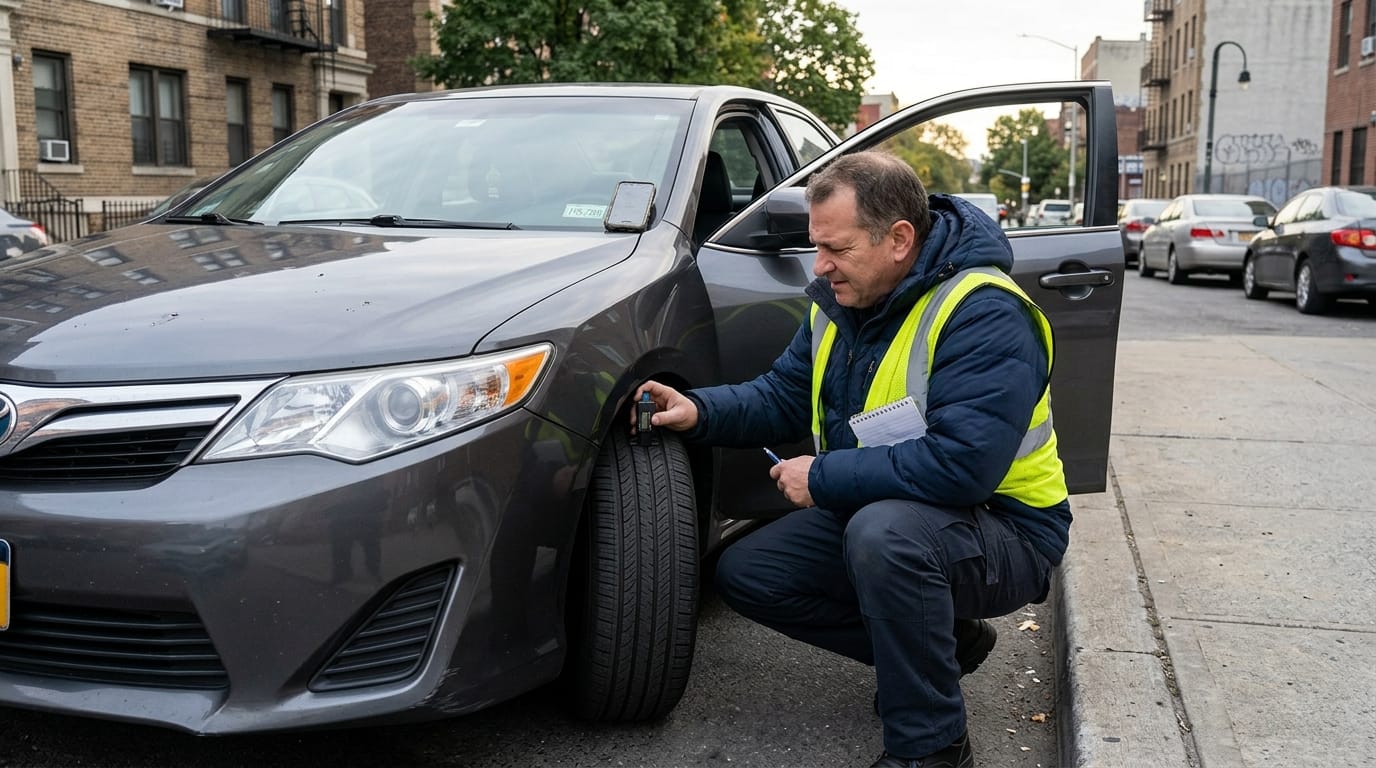
Business miles are the miles connected to rideshare work. App miles may be the miles shown by Uber, Lyft, or a weekly app summary. Unpaid miles are the miles that do not directly generate fare income but still cost money.
Separating these numbers helps drivers see the business more clearly. If total business miles are much higher than paid trip miles, the driver may be losing too much money through repositioning or weak trip choices.
This issue connects with rideshare.blog’s post on Uber vs Lyft for drivers in 2026. Comparing platforms should include total miles, not only app payouts.
Vehicle wear should be part of every profit review
Mileage does not only affect taxes. It also affects the car. More miles mean more tire wear, brake wear, oil changes, suspension wear, cleaning needs, and depreciation.
Each week, drivers should ask whether the car is absorbing too much cost for the income produced. If the answer is yes, the driver may need better trip selection, different hours, a stronger market strategy, or a more efficient vehicle.
App strategy matters too. Rideshare.blog’s article on subscription rideshare apps in 2026 can support readers comparing different platform models. A subscription app may sound appealing, but drivers still need mileage records to know whether the model works for them.
Drivers should also save screenshots and receipts. Keep fuel receipts, toll records, parking receipts, maintenance invoices, car wash records, weekly app summaries, and payout statements. These records support tax preparation and help drivers understand real costs.
A practical routine can be simple. Before going online, record the odometer. During the shift, avoid unnecessary repositioning and long unpaid pickups. After the shift, record ending mileage, gross earnings, fuel spending, and extra costs.
At the end of the week, compare dollars earned against total miles. Then compare dollars earned against hours online. Those two numbers tell a clearer story than trip count alone.
This habit changes how drivers think. Instead of asking, “How much did I make today?” the better question becomes, “How much did I keep per mile and per hour?” That shift matters because rideshare driving is a business, not just an app.
Drivers should also think about risk. More miles can mean more exposure to crashes, passenger disputes, tickets, and insurance questions. A driver who works long hours should stay organized with documents and platform records. If account access ever becomes a problem, the article on rideshare driver deactivation appeals in 2026 can help explain why evidence matters.
Rideshare mileage tracking in 2026 should guide trip decisions. If a driver knows average cost per mile, weak offers become easier to reject. Long pickups, low fares, traffic-heavy rides, and dead-zone drop-offs become business decisions instead of emotional guesses.
The bottom line is direct. Mileage tells the truth. It shows whether a driver is protecting profit or just staying busy. A driver who tracks miles can make smarter tax decisions, avoid weak trips, understand vehicle wear, and spot bad driving patterns earlier.
In 2026, rideshare drivers should not rely only on app totals. Track total miles, unpaid miles, fuel, maintenance, and real profit every week. The drivers who know their numbers will usually make better decisions than the drivers who only chase the next ping.