The Lyft driver settlement announced in California in October 2026 could return hundreds of millions of dollars to drivers who worked on the platform years ago.
California state and local enforcement agencies announced a $272.5 million agreement with Lyft to resolve allegations that the company misclassified drivers as independent contractors rather than employees during an earlier period of rideshare history.
At least $237 million is expected to be reserved for eligible drivers if the settlement receives court approval.
That is a significant amount, but drivers should understand exactly what the agreement covers before assuming they will receive a payment.
The settlement focuses on Lyft work performed between April 2016 and December 15, 2020. It does not automatically compensate everyone who currently drives for Lyft, and it does not turn today’s California rideshare drivers into employees.
For current and former drivers, the most useful approach is to understand the covered period, wait for official settlement information, preserve old records when available, and avoid unofficial websites or messages claiming they can guarantee a payment.
Why the Lyft Driver Settlement Matters in 2026
The settlement grows out of a long-running dispute over how rideshare drivers were classified under California law before Proposition 22 changed the legal framework for qualifying app-based drivers.
California officials alleged that Lyft treated drivers as independent contractors when they should have received employee protections during the covered period.
The allegations included claims involving minimum wages, overtime, work-related expense reimbursement, paid sick leave, timely wage payments, accurate wage statements, and other workplace protections.
Lyft disputed the claims and has not admitted liability through the settlement.
The agreement is intended to resolve the litigation rather than produce a final trial decision on all of those allegations.
What the California Settlement Actually Resolves
The underlying cases began during a period when California was aggressively examining worker classification in the gig economy.
The California Attorney General, city attorneys from Los Angeles, San Diego, and San Francisco, the Labor Commissioner, and private plaintiffs eventually participated in the coordinated litigation.
The dispute focused on whether Lyft drivers should have been treated as employees under California law before the current Proposition 22 framework took effect.
Under the October 2026 agreement, Lyft will pay $272.5 million in restitution and penalties, subject to court approval.
The settlement resolves covered misclassification and related labor-law claims from the historical period rather than rewriting every rideshare rule that applies today.
More Than $237 Million Is Expected to Go Toward Drivers
The California Attorney General says at least $237,075,000 will be reserved for drivers who worked for Lyft during the covered period.
The California Labor Commissioner’s Office describes that as approximately 87% of the overall settlement.
Payments will not simply be divided equally among every eligible driver.
California says driver compensation will be based on the number of hours and miles each eligible person drove during the covered period.
That means a driver who completed occasional Lyft work for a short time should not assume the same payment as someone who drove substantial hours and mileage over several years.
More than 1,600 drivers who separately filed wage claims with the Labor Commissioner’s Office are also expected to receive additional treatment under the settlement. The agency says it is giving up its own $5.45 million share of certain penalties so more money can reach those workers.
The exact payment for an individual driver will depend on the settlement administrator’s calculations and final approved distribution process.
The Settlement Does Not Reclassify Current Lyft Drivers
This point is especially important because the headline number can make the agreement sound like a change to current driver status.
It is not.
The settlement addresses historical work performed before the current California framework for qualifying app-based drivers took effect.
Proposition 22 was approved by California voters in November 2020. It created a separate legal structure for covered app-based transportation and delivery drivers who meet its requirements.
Because the Lyft driver settlement concerns the earlier period, California officials specifically say it does not require Lyft to reclassify drivers going forward.
Current drivers therefore should not expect their app status, tax classification, pay statement, or benefits to suddenly change because of this settlement alone.
If you want the broader policy background, read our guide to new rideshare regulations in 2026.
Who May Be Eligible for a Settlement Payment?
The most obvious group is people who drove for Lyft in California during the historical period covered by the agreement.
The California Attorney General says restitution eligibility and compensation will be based on driving between April 5, 2016, and December 15, 2020.
However, simply remembering that you had a Lyft account during those years does not tell you what payment, if any, you will receive.
The administrator will need to apply the final settlement terms and Lyft’s historical data to determine eligibility and payment amounts.
Drivers should also understand that the agreement still needs court approval.
Until that process moves forward, there is no reason to trust anyone claiming to know your exact payment amount.
Eligible Drivers Should Wait for the Official Settlement Administrator
California says a third-party settlement administrator will manage the restitution fund.
After court approval and after Lyft begins funding the settlement, eligible drivers are expected to be contacted directly.
The administrator will also establish an official website, email address, and call center for people who believe they qualify.
That means drivers do not need to pay a random company to “find” their settlement money.
Be cautious with unsolicited messages asking for bank passwords, app passwords, Social Security information, cryptocurrency payments, gift cards, or upfront fees.
Settlement scams often become more common after large legal agreements receive national attention.
Until California publishes the official administrator information, use the Attorney General’s Office and Labor Commissioner’s Office as the main sources for updates.
What Current and Former Lyft Drivers Should Do Now
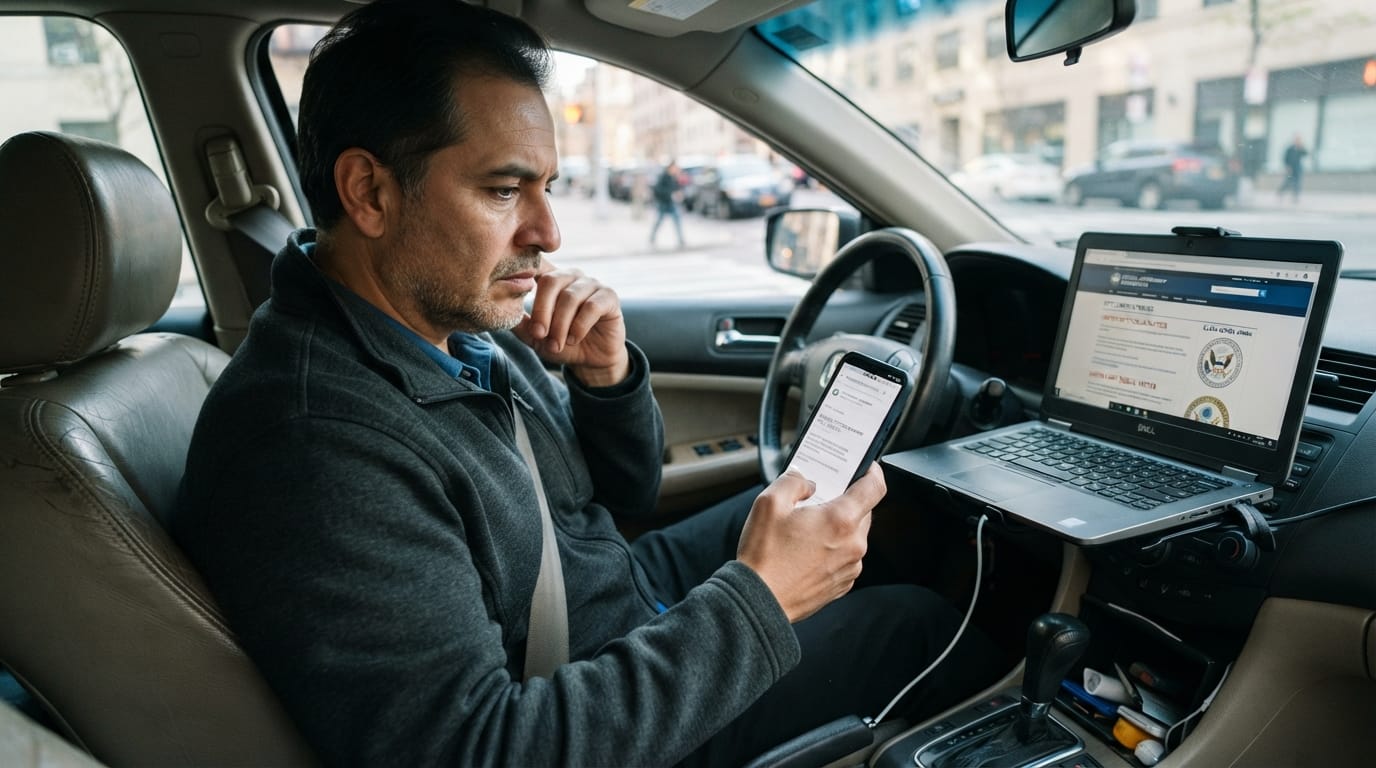
Former drivers who worked during the covered years should begin by checking whether they still have old records.
You may have annual tax documents, weekly Lyft summaries, bank deposits, mileage logs, email messages, screenshots, or old calendar records.
The settlement administrator may already receive substantial platform data from Lyft, so drivers should not assume they must reconstruct every trip themselves.
Still, keeping whatever historical information you have can make it easier to evaluate any notice you eventually receive.
Current drivers should treat this settlement differently.
For someone who only started driving in 2024, 2025, or 2026, the immediate lesson is less about expecting restitution and more about understanding why good business records matter.
Keep Better Pay, Mileage, and Platform Records Going Forward
Rideshare platforms already provide trip histories and earnings summaries, but drivers benefit from maintaining independent records too.
Track your business mileage. Save annual tax documents. Keep copies of important support conversations. Record major changes to platform pay policies and incentives.
Those habits help with taxes and profit analysis, but they can also become important if a future dispute involves earnings, reimbursements, account access, or platform policies.
Our rideshare mileage tracking guide explains why app-reported miles do not always show the full cost of operating as a driver.
A driver may complete 100 paid miles while actually putting substantially more miles on the vehicle because of pickups, repositioning, airport staging, and driving away from weak demand areas.
Those unpaid miles still consume fuel, tires, maintenance, and vehicle value.
Strong recordkeeping also matters when account access is challenged. Our rideshare deactivation appeals guide explains why screenshots, trip records, support messages, and other evidence should be saved before a platform dispute becomes urgent.
Do Not Assume the Settlement Changes Your Current Pay or Taxes
The final practical point is to separate historical restitution from today’s rideshare economics.
The October 2026 settlement does not automatically increase the rate for your next Lyft trip.
It does not change your current federal tax obligations simply because California alleged that drivers were misclassified during an earlier period.
Likewise, the settlement does not mean every Lyft driver nationwide qualifies for money. The announced agreement concerns California drivers and specific historical claims.
Drivers who eventually receive settlement money may also have tax questions about how the payment should be reported. The answer can depend on how different portions of a settlement are characterized and on the driver’s individual circumstances.
Do not guess based on social-media comments. Keep the settlement paperwork and consult appropriate tax guidance when payment information becomes available.
The larger lesson from the Lyft driver settlement is that rideshare work has a longer financial and legal history than the number displayed in today’s driver app.
A trip completed years ago can still become part of a later dispute over wages, classification, mileage, expenses, and workplace protections.
That is one reason drivers should pay attention to policy changes even when the language sounds technical.
Lyft driver settlement
For former California Lyft drivers, the next important step is not to submit money or sensitive information to someone promising a payout. It is to wait for the court process and the official third-party settlement administrator.
For today’s drivers, the best response is to stay informed and keep stronger records.
Know your gross earnings. Track real miles. Save key documents. Understand platform changes. Separate historical settlements from current driver rules.
The $272.5 million agreement is a major rideshare development, but it is also a reminder that headlines need context.
Most of the money is expected to reach qualifying drivers from the covered 2016–2020 period, subject to final approval and administration. Current California Lyft drivers remain under the present app-based driver framework rather than automatically becoming employees because of this case.
For official updates about driver eligibility and the future settlement administrator, visit the California Attorney General’s Lyft settlement announcement.
This article provides general educational information and is not legal, tax, employment, or financial advice. Settlement eligibility, payment calculations, tax treatment, and driver classification depend on the final approved agreement and individual circumstances.