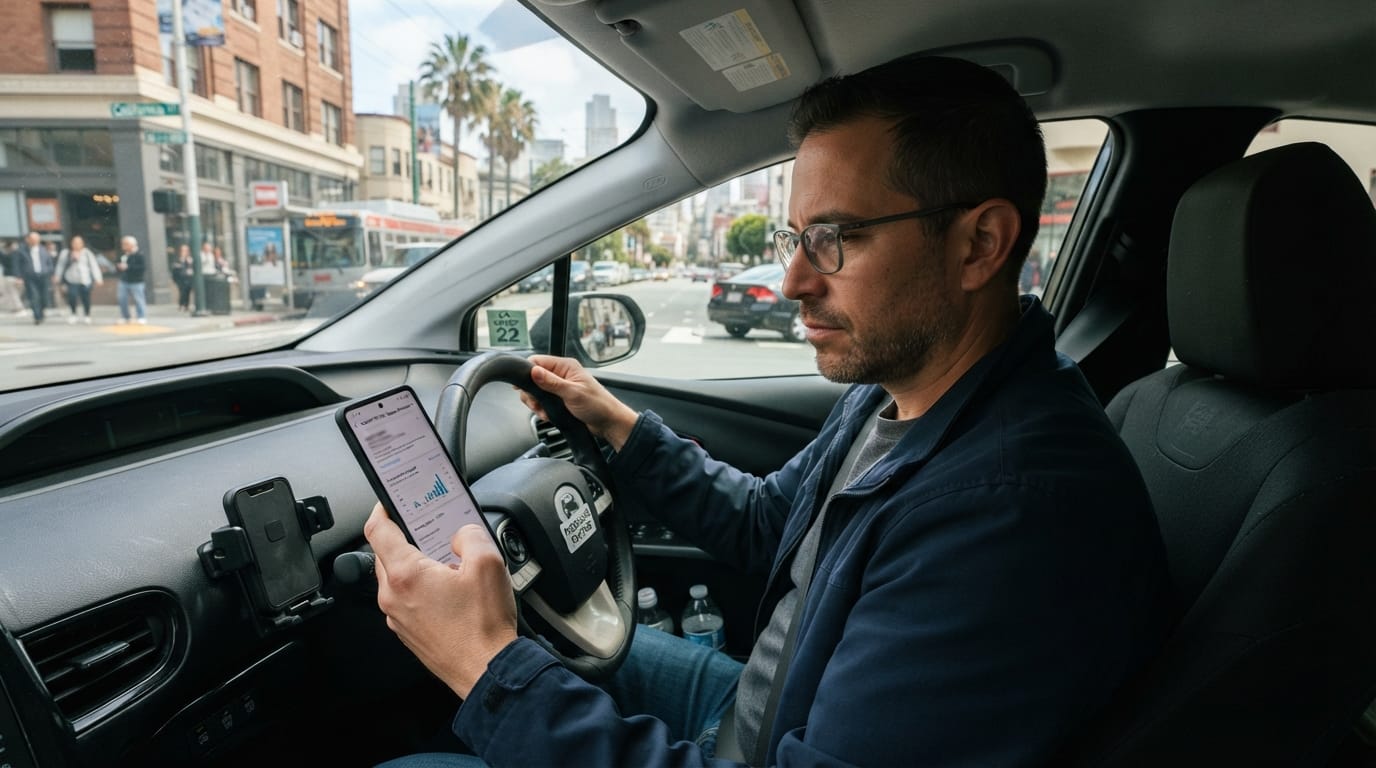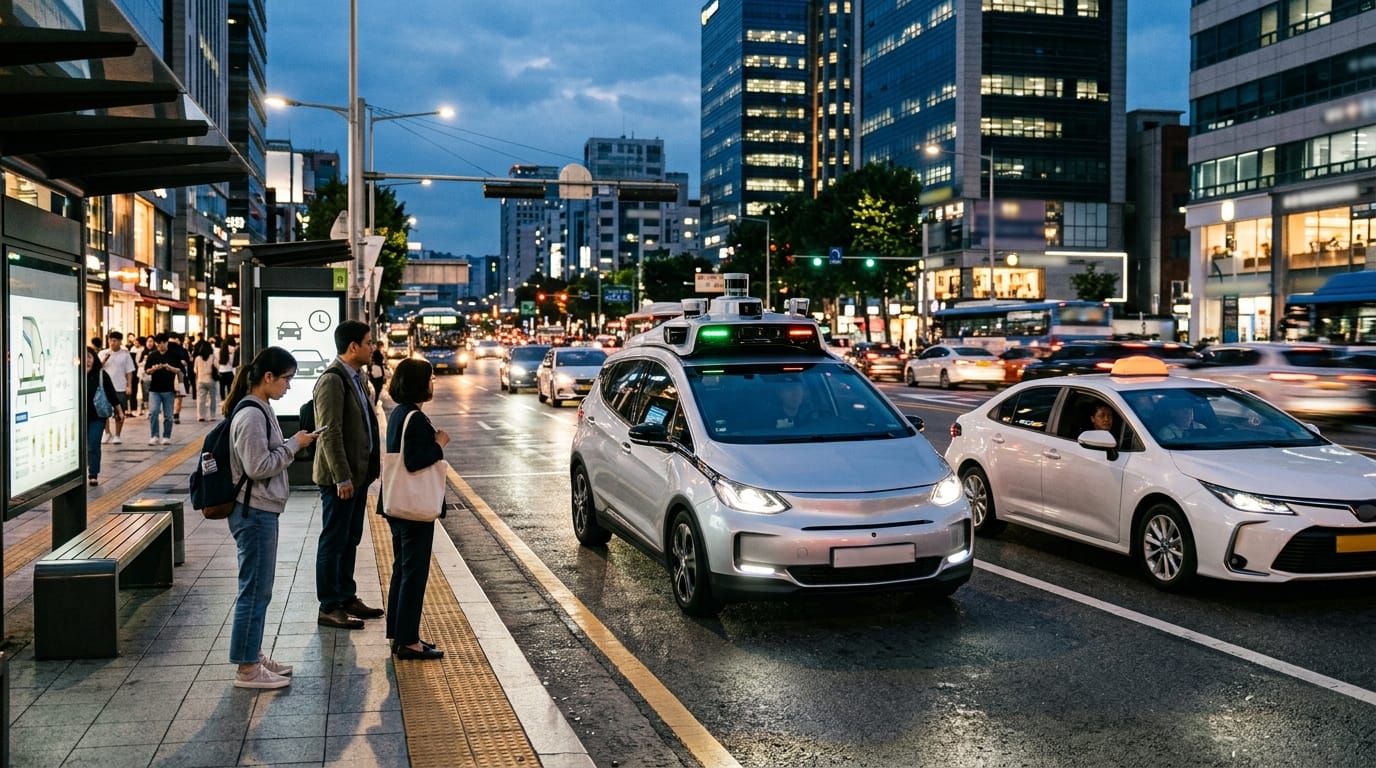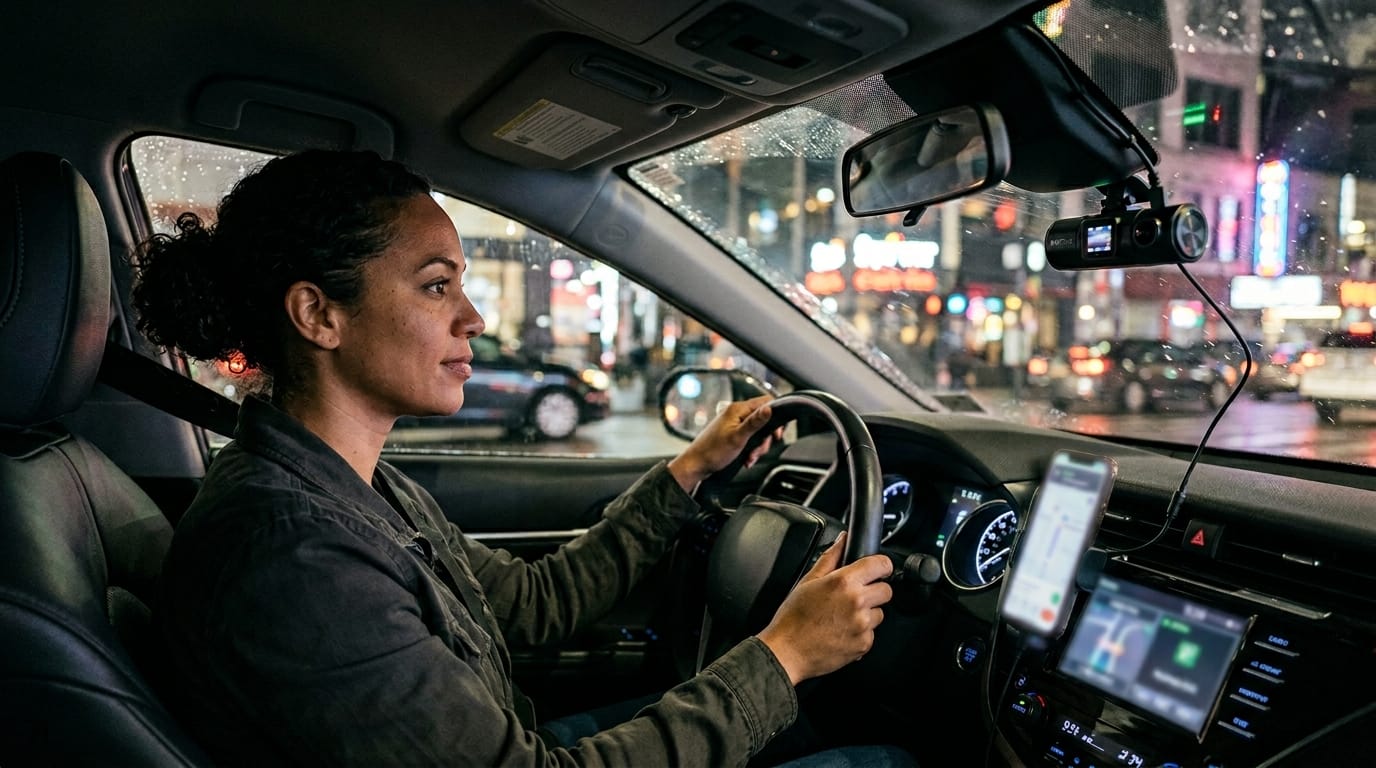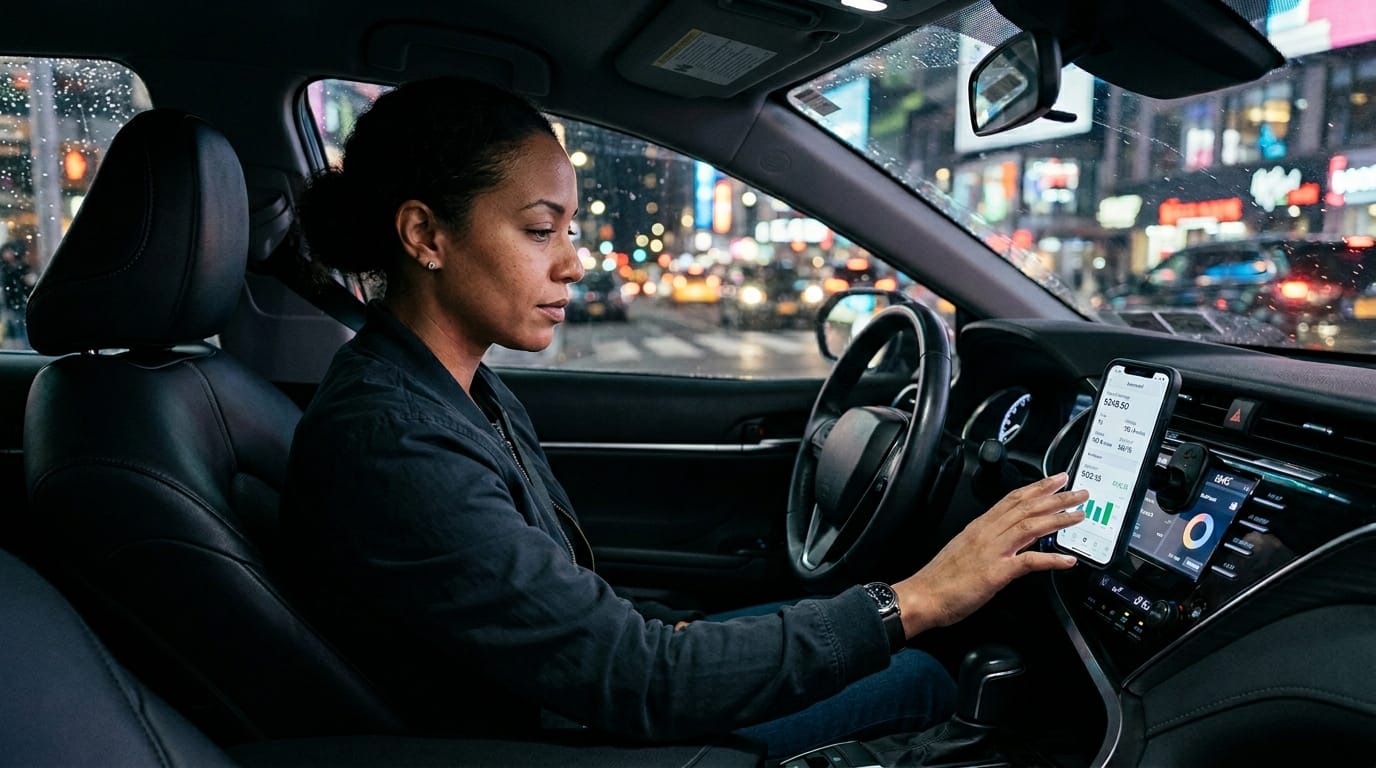

Uber Lyft AI pricing is one of the biggest rideshare topics in 2026 because riders are asking a simple question: why can two people request a similar ride at a similar time and see different prices? For years, riders understood surge pricing as a supply-and-demand issue. If demand was high and drivers were limited, the price went up. But the current debate is bigger than basic surge pricing. It now includes algorithmic pricing, discounts, rider data, fare transparency, and whether customers can truly understand what they are paying for.
This matters for both riders and drivers. Riders want fair prices and clear explanations. Drivers want to know whether higher rider fares actually translate into better driver pay. If a passenger pays more but the driver does not receive a meaningful increase, trust becomes weaker on both sides of the platform. That is why pricing transparency has become a key rideshare issue, not just a consumer complaint.
In 2026, rideshare pricing is no longer just about distance and time. Apps may consider route demand, driver supply, traffic, estimated trip length, pickup conditions, ride type, promotions, discounts, and real-time marketplace activity. Uber and Lyft say their systems reflect changing marketplace conditions. Consumer advocates argue that riders deserve clearer answers when fares vary widely for similar trips.
Why Uber and Lyft AI Pricing Is Trending in 2026
Uber and Lyft AI pricing is trending because recent investigations and public pressure have put rideshare fare differences under a microscope. Consumer Reports reported that some riders saw different prices for similar rides requested at similar times. The companies disputed the findings and argued that ride prices can change quickly because each trip request exists in a live marketplace.
For riders, the concern is not only that prices change. People already expect higher prices during busy times, airport rushes, bad weather, concerts, sports events, and holidays. The bigger issue is whether two users can see meaningfully different fares for what appears to be the same ride. If riders cannot understand why one phone shows a higher price than another, they may start questioning the fairness of the system.
This topic fits naturally with rideshare.blog’s broader coverage of app updates, rider rights, driver earnings, platform safety, and future mobility. It also connects with driver-side strategy because fare transparency affects how drivers judge whether a trip is worth taking. A driver may see an upfront offer, but the passenger may see a much larger fare. That gap is one reason drivers and riders are paying closer attention to how the platform works behind the screen.
Dynamic pricing is not new, but AI makes it harder to understand
Dynamic pricing has existed in rideshare for years. When demand rises and driver supply is limited, prices may increase. That basic idea is easy enough to understand. The harder part is modern algorithmic pricing. When a pricing system uses many signals at once, the final fare may be difficult for riders to predict or verify.
A rider may think the fare should be based on miles and minutes. The app may also consider demand patterns, estimated route time, traffic, driver availability, ride category, local conditions, and promotional messaging. The result can feel random to the customer, even if the company says the calculation follows marketplace logic.
This is where trust becomes the real issue. If riders do not know why a fare changed, they may assume the app is charging whatever it can get away with. If drivers do not know how rider fares connect to driver pay, they may assume the platform is keeping more of the trip. Whether those assumptions are always correct or not, the lack of transparency creates frustration.
Riders may compare prices more often
One likely effect of the AI pricing debate is that riders will compare prices more often before booking. A rider may check Uber, Lyft, a taxi option, public transit, or a subscription rideshare service before choosing. This is especially true for airport trips, late-night rides, event exits, and longer routes where the price difference may be noticeable.
Riders can also compare prices across accounts in the same group, but they should be careful with assumptions. Prices can change within seconds, and even small timing differences may affect results. Still, checking more than one option is practical. It gives riders a better sense of whether the price looks reasonable before they confirm the trip.
Discounts may need a closer look
Discount messaging is another part of the debate. Riders often see crossed-out prices, “lower than usual” language, promotions, or limited-time offers. The problem is that not every rider understands what the original price represents. Is it a past price? A route average? A true discount? A comparison against a temporary estimate?
Riders should read discounts carefully and focus on the final price before booking. A discount only matters if the final price is actually competitive. If one app says a ride is discounted but another app shows a lower final price, the lower final price is what matters. In rideshare, the number that hits the card is more important than the marketing message above it.
What AI pricing means for drivers
Drivers should care about Uber and Lyft AI pricing because rider fares and driver pay are not always easy to connect. A passenger may assume that a higher fare means the driver is earning much more. Drivers know that is not always the case. Platform fees, incentives, bonuses, pickup distance, trip time, tolls, and market conditions can all affect what the driver actually keeps.
This is why drivers should not judge a trip only by what a rider says they paid. The better approach is to track app offers, total miles, active time, online time, tips, bonuses, and expenses. Rideshare.blog’s article on rideshare mileage tracking in 2026 is a useful internal guide because pricing confusion means drivers need stronger records, not more guessing.
Driver earnings also depend on whether the trip makes sense after pickup distance and drop-off location. A higher-priced ride for the passenger may still be weak for the driver if the pickup is far away, traffic is heavy, the drop-off is in a dead zone, or the trip blocks a better earning window.
Drivers should track offers, not just weekly totals
Weekly earnings totals can hide weak pricing. A driver may earn a decent gross amount while still wasting too many miles or hours. That is why drivers should track individual offers, especially in markets where upfront pricing is common. A good record can show which trip types are worth taking and which ones only look busy.
Drivers should note pickup distance, estimated time, payout, destination area, rider surge or bonus indicators if shown, and actual time spent. Over time, this helps drivers understand whether platform pricing changes are helping or hurting their real profit. The app may show activity, but the driver’s records show the business result.
How Riders and Drivers Can Respond to Rideshare Pricing Changes

Riders and drivers cannot control every part of Uber and Lyft AI pricing, but they can respond smarter. Riders can compare apps, avoid panic booking, check final prices, and use scheduling only when the price makes sense. Drivers can track trip quality, avoid emotional acceptance, understand dead miles, and compare platforms based on real net income.
For riders, the best habit is simple: compare before confirming when the ride is expensive. This matters most for airports, downtown events, bad weather, holidays, and late-night trips. If the price looks too high, wait a few minutes when possible, check another app, change pickup location safely, or consider a different ride type.
For drivers, the best habit is also simple: stop treating every request as equal. A ride is not automatically good because the app is busy. It is good only if the payout, time, miles, risk, and destination make sense together. Rideshare.blog’s Uber vs Lyft for drivers in 2026 guide can help drivers think about platform comparison beyond brand loyalty.
Pricing transparency could shape the future of rideshare
The current AI pricing debate may push platforms, lawmakers, and consumer groups toward more transparency. That could include clearer fare explanations, better discount labels, stronger consumer protection rules, or more pressure to show how rider prices relate to driver pay. It may also increase interest in alternative rideshare models.
That is where rideshare.blog’s article on subscription rideshare apps in 2026 becomes relevant. If riders and drivers lose trust in traditional platform pricing, subscription-based or driver-controlled models may become more attractive in some markets. They may not replace Uber and Lyft everywhere, but they could pressure the industry to explain pricing more clearly.
Safety and identity features also matter because pricing is not the only thing riders and drivers evaluate. A rider may choose an app based on price, but also on safety features, driver information, pickup clarity, and account protections. Drivers may choose an app based on pay, but also on rider verification, support quality, and dispute handling. The site’s guide on rideshare safety recording in 2026 supports this wider view because modern rideshare decisions involve both money and protection.
Families should also pay attention to pricing and safety together. A parent booking a teen ride may care less about saving a few dollars and more about tracking, verified details, pickup accuracy, and emergency tools. That makes teen rideshare safety in 2026 another useful internal resource for readers thinking beyond price alone.
Compare the final fare, the pickup location, and the ride type
Riders should compare more than the first price shown. Look at the final fare, pickup point, estimated wait time, ride type, cancellation rules, and whether the app is applying a real promotion. A slightly cheaper ride may not be better if the pickup point is unsafe, the wait time is much longer, or the ride type does not fit the group.
Drivers should compare the full trip, not only the payout. A ride offer should be judged by total time, total miles, pickup distance, traffic, destination quality, and likely next-trip opportunity. If the app is using complex pricing, drivers need simple business rules to protect themselves.
For a broader consumer perspective, readers can review the Consumer Reports investigation into Uber and Lyft fare differences. Riders should also remember that Uber and Lyft dispute parts of the report and say pricing reflects real-time marketplace conditions.
The bottom line is clear. Uber and Lyft AI pricing in 2026 is making rideshare more complex for everyone. Riders need to compare final prices and avoid assuming every discount is a deal. Drivers need to track offers, miles, and real profit instead of trusting weekly totals. Platforms need to understand that opaque pricing may create short-term revenue, but it can damage long-term trust.
Rideshare is still convenient, but convenience should not mean confusion. The smarter move for 2026 is to treat every ride like a small transaction worth checking. Compare the fare, understand the trip, protect your records, and make the app earn your trust one ride at a time.