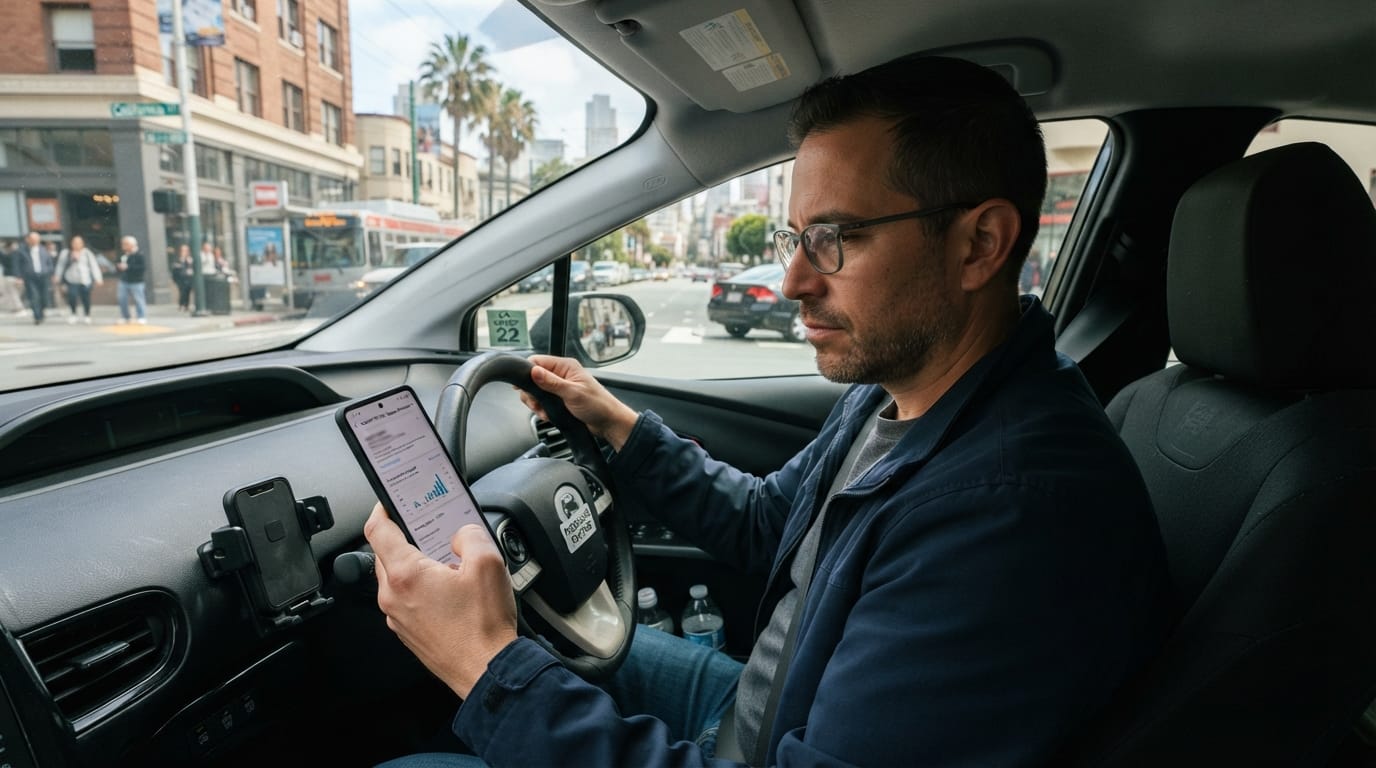
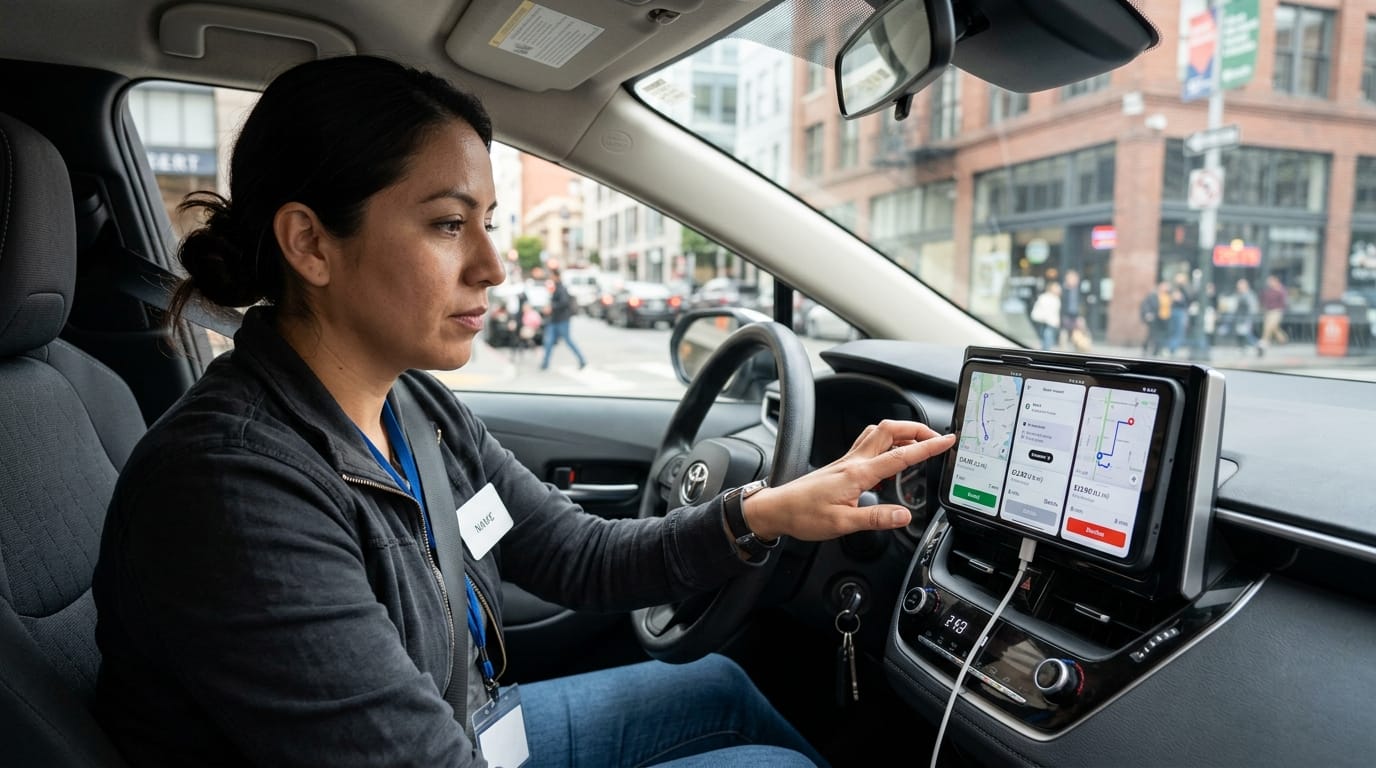
Subscription rideshare apps are becoming one of the most talked-about rideshare trends in 2026. For years, many drivers have worked mainly through Uber and Lyft. Those platforms usually control pricing, passenger matching, trip rules, app access, and driver pay formulas. Now, newer rideshare models are trying to change the conversation by offering drivers more control over rates and earnings.
The idea sounds attractive. Instead of giving up a commission on every trip, a driver may pay a weekly or monthly fee to use the platform. In return, the driver may keep more of the fare and, in some models, set personal rates. That structure creates a different question for drivers. Is a subscription model really better, or does it only shift the risk from the app to the driver?
This topic fits Rideshare.blog because it connects with driver pay, app comparisons, safety, platform rules, and future mobility. It also connects with existing guides like high fuel prices and rideshare driver earnings, Uber vs Lyft for drivers in 2026, and rideshare driver deactivation appeals. Drivers need to understand both the opportunity and the trade-offs before moving time, passengers, and income to a newer app.
Why Subscription Rideshare Apps Are Trending in 2026
The biggest reason is driver frustration. Many rideshare drivers want clearer pay, fewer surprise fees, and more control over trip value. Traditional rideshare platforms may show upfront earnings, but drivers still deal with platform fees, changing incentives, fuel costs, dead miles, and unpredictable demand. That pressure has opened the door for new competitors.
Subscription-based platforms try to present themselves as a different option. Instead of taking a percentage from each ride, the app may charge a flat access fee. The pitch is simple: drivers pay for the tool, then keep the fare. Riders may also see lower prices if the platform operates with lower overhead or allows drivers to compete on rates.
That does not mean every new app is automatically better. A driver must compare more than the headline promise. Real success depends on passenger demand, local regulations, safety tools, insurance structure, app reliability, payment timing, support, and whether riders actually use the platform in that city.
How subscription rideshare apps change the driver pay conversation
A traditional rideshare app often gives drivers access to a large rider network. That network has value. Drivers may get more frequent requests, stronger airport demand, better brand recognition, and more predictable passenger habits. The trade-off is that the platform controls much of the pricing structure.
Subscription rideshare apps flip part of that model. The driver may get more control over rates, but the driver also takes on more responsibility. If rider demand is weak, paying a subscription fee may not make sense. A driver who pays for app access but receives few rides can lose money before fuel, insurance, and maintenance even enter the math.
Flat fees can help only when demand is strong
A flat subscription fee can help high-volume drivers when the app produces steady trips. If a driver completes enough rides, the subscription cost may become smaller on a per-trip basis. In that situation, the driver may keep more income than on a commission-based platform.
However, the same fee can hurt low-volume drivers. A part-time driver may not complete enough rides to justify the subscription. A driver in a weak market may also pay the fee and sit without requests. This is why local demand matters more than marketing.
Driver-set rates need smart pricing
Driver-set pricing sounds powerful, but it requires discipline. A driver who sets rates too high may receive fewer requests. A driver who sets rates too low may stay busy but lose profit. The best price depends on distance, time, traffic, fuel, vehicle type, rider demand, and local competition.
Drivers should avoid racing to the bottom. Lowering rates may attract riders, but it can also weaken the reason for switching to a subscription model. The goal is not just to win trips. The goal is to earn more after expenses.
What drivers should compare before trying a new app
Before signing up, drivers should compare the subscription fee against realistic weekly earnings. Do not use the best-case number from an advertisement. Use your actual schedule, city, vehicle cost, and driving habits. A full-time driver and a weekend driver will not get the same value from the same app.
Drivers should also check how the app handles cancellations, no-shows, rider disputes, refunds, chargebacks, and support. These details matter because a platform can look good on pay but still create problems when something goes wrong. App reliability matters too. If the app crashes, fails to route correctly, or does not process payments quickly, the driver carries the stress.
Look beyond the fare split
The fare split is only one part of the decision. Drivers should also review insurance coverage, safety features, background check rules, rider verification, customer support, market size, and local legal status. A higher take-home percentage does not help much if the app creates more risk.
This is especially important for drivers who work late nights, airport routes, events, or long-distance trips. Safety tools should not be an afterthought. Emergency support, trip sharing, rider records, clear pickup details, and dispute documentation all matter during real shifts.
Are subscription rideshare apps better than Uber and Lyft?

The honest answer is that it depends on the driver and the market. In some cities, a new app may create real opportunity. Drivers may get better pricing control, stronger rider loyalty, and a lower cost structure. In other cities, Uber and Lyft may still be more practical because they have stronger rider demand.
Drivers should treat new apps as a test, not a blind replacement. Try the platform during specific hours. Track rides, miles, fees, tips, cancellations, and wait time. Compare that data against Uber and Lyft on the same days. A new app should earn its place in your strategy.
Multi-apping may help, but drivers must do it responsibly. Never accept overlapping rides. Do not create long delays for passengers. Use multiple apps to compare opportunities, not to gamble with service quality or safety.
Passenger trust can decide whether the model works
Riders may like lower fares and favorite-driver features, but they also care about safety, reliability, support, and brand trust. A new app must convince passengers that it can provide a smooth trip. Without enough riders, even a driver-friendly pay model can struggle.
That means drivers should watch rider adoption. Are passengers actually requesting rides? Repeat customers using the app? Are airport, hotel, event, and nightlife zones active? The best driver pay model still needs enough demand to support real income.
How Drivers Can Test Subscription Rideshare Apps Safely
Drivers should test a subscription rideshare app like a business owner. Start small. Use a limited schedule and track results. Do not cancel proven income sources until the new app shows consistent value. The goal is to learn whether the platform works in your city, with your vehicle, during your preferred hours.
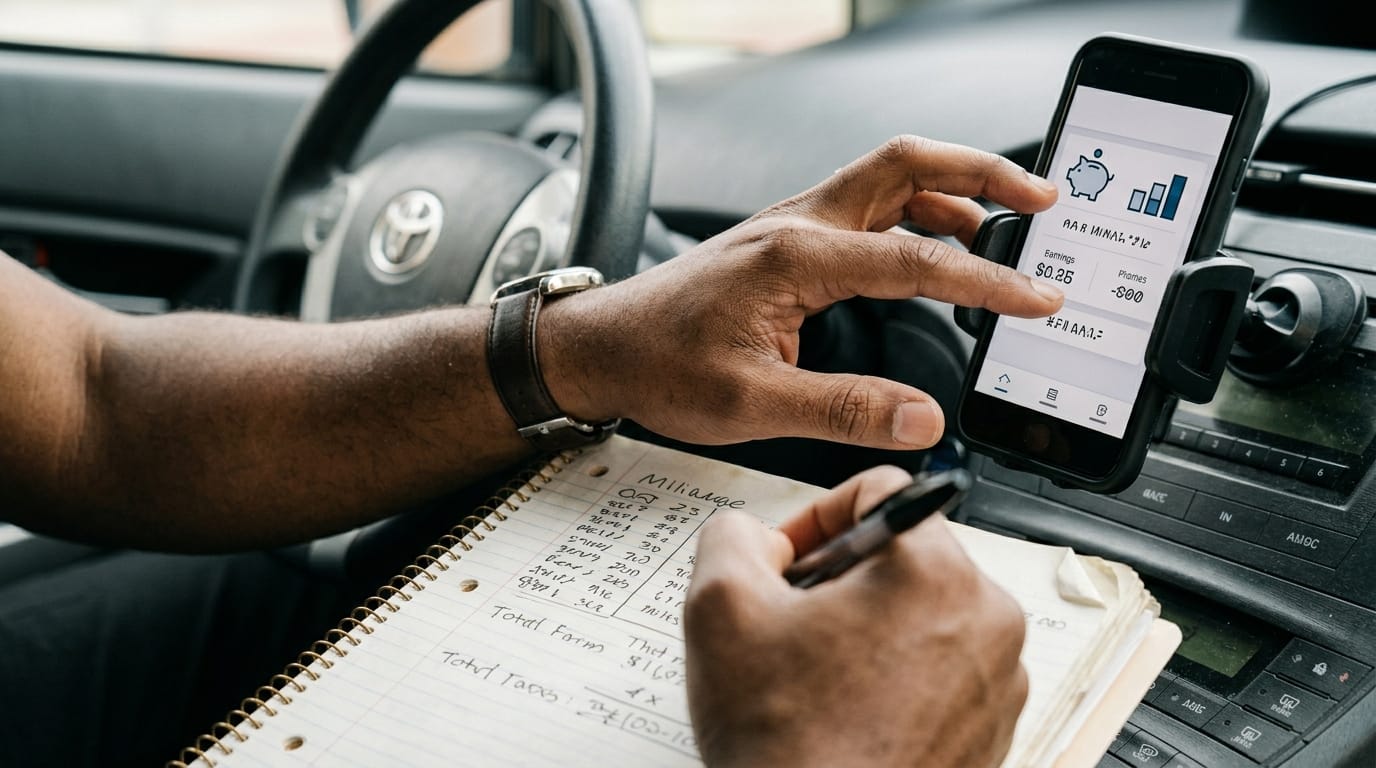
Begin by tracking five numbers: subscription cost, gross earnings, active miles, dead miles, and total time online. Then compare those numbers with your Uber or Lyft results. If the subscription app creates higher profit after expenses, it may deserve more time. If it only creates higher gross earnings with more empty driving, the model may not be as strong as it looks.
Drivers should also watch for policy issues. New platforms may face different regulatory questions in different cities. Check whether the app explains insurance, licensing, background checks, rider safety, and driver responsibilities clearly. A platform that avoids clear answers can create risk for drivers.
For a strong external resource, drivers can review the Federal Trade Commission’s action on misleading driver earnings claims. It is a useful reminder that drivers should question earnings promises, compare real numbers, and avoid relying only on promotional claims.
Drivers should also protect their records. Keep screenshots of subscription fees, app terms, fare settings, payment statements, cancellation rules, and support messages. These records can help with taxes, disputes, payment problems, or account issues. They can also help drivers decide whether the app truly improves profit.
A smart test should run long enough to reveal patterns. One strong night does not prove the app works. One weak afternoon does not prove it fails. Test different times, such as airport hours, morning commute, weekend nightlife, and event traffic. Then compare the results honestly.
Safety should stay at the center of the decision. If a new app has weak rider verification, poor support, unclear emergency tools, or confusing pickup details, drivers should be careful. More pay is not worth unnecessary risk. Your guide on best rideshare safety features in 2026 can help readers compare safety tools before relying on any platform.
The future of rideshare may include several models at the same time. Uber and Lyft may remain dominant in many markets. Robotaxi services may grow in select cities. New subscription platforms may appeal to drivers who want more control. The winning strategy for drivers is not loyalty to one app. It is knowing which platform creates the best profit with the least unnecessary risk.
Subscription rideshare apps are worth watching in 2026 because they challenge the old commission model. They may give drivers more control, but they also demand better business judgment. Drivers must compare fees, demand, safety, insurance, support, and real take-home pay. The apps that survive will be the ones that help both drivers and riders trust the system.
The bottom line is simple. Do not switch because a platform sounds driver-friendly. Test it, track it, and compare it. If the numbers work, add it to your strategy. If the fee eats your profit or demand stays weak, keep your focus where the rides are. In rideshare, control only matters when it turns into reliable income.