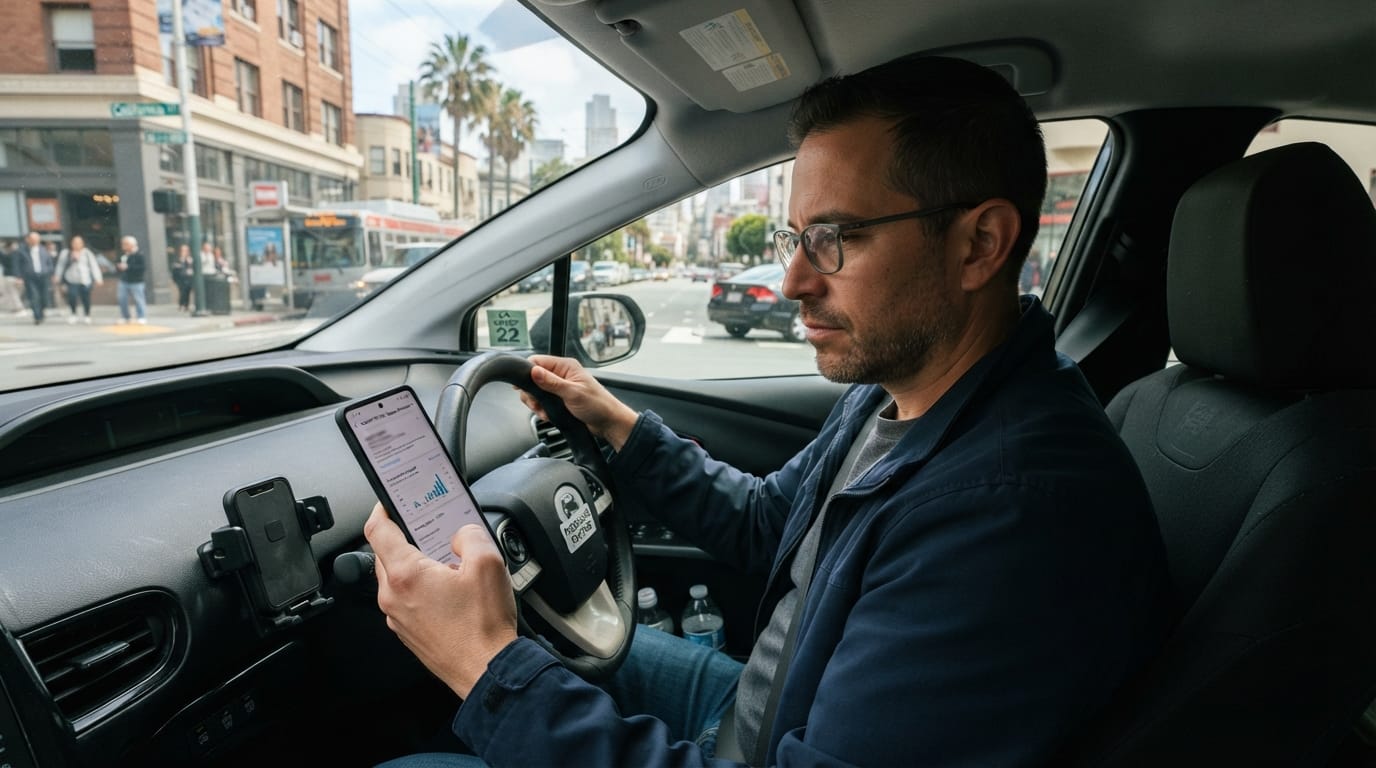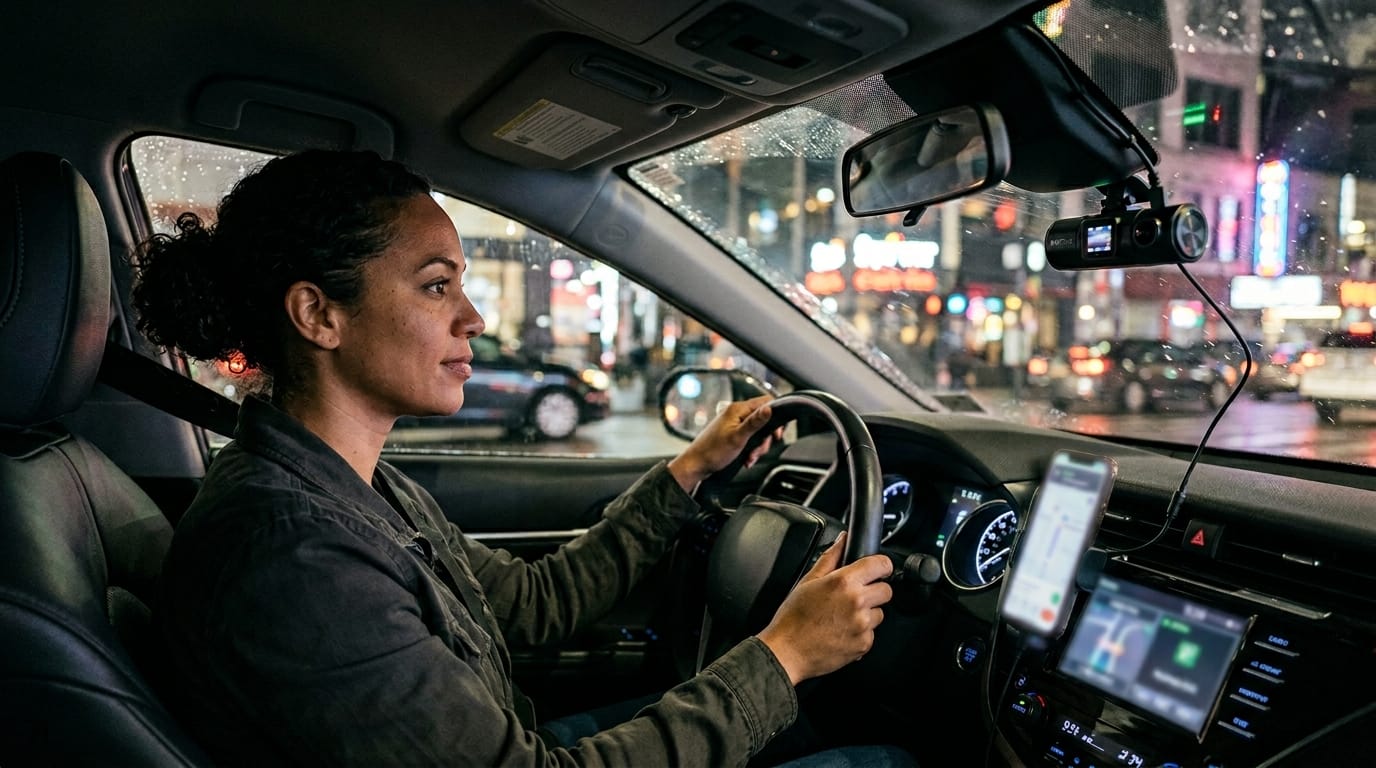
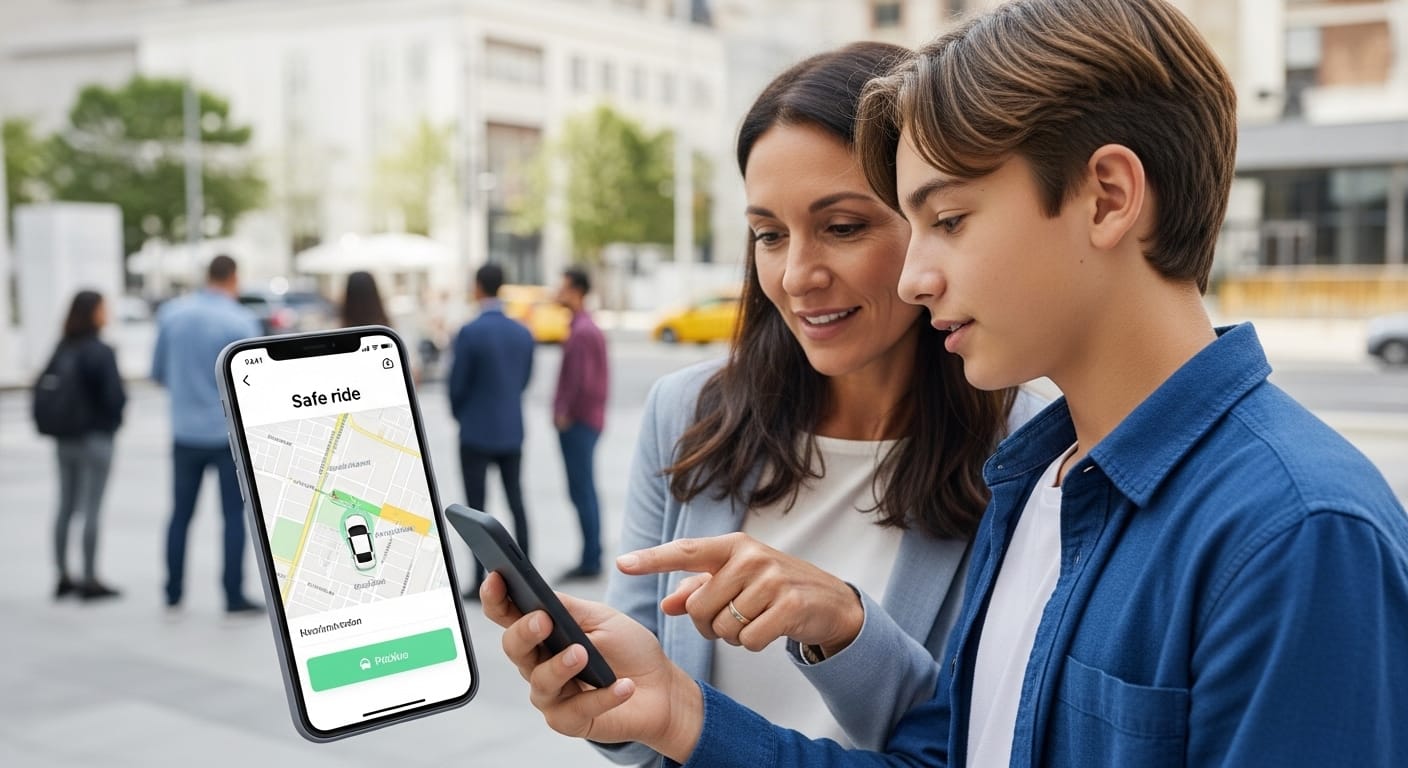
Teen rideshare safety is becoming one of the biggest rideshare topics in 2026. Families want more flexible transportation for school, sports, work, tutoring, social events, and appointments. At the same time, parents want more control, better visibility, and safer habits when a teen rides without an adult.
This topic matters because rideshare is no longer only for adult commuters, airport trips, and nightlife rides. Uber and Lyft now have teen-focused ride options in many markets. These services give teens more independence, but they also create new safety questions for families and drivers.
This guide connects well with other rideshare.blog articles. Readers can also review best rideshare safety features in 2026, new rideshare regulations in 2026, Uber Women Preferences in 2026, and high fuel prices and driver earnings. These topics all point to the same trend. Rideshare is becoming more focused on trust, safety, and control.
The goal is simple. Parents should know how teen rideshare accounts work. Teens should know how to ride safely. Drivers should understand what makes teen trips different. Good technology helps, but smart habits still matter.
Why Teen Rideshare Safety Is Trending in 2026
Teen rideshare safety is trending because families need more transportation options. Many parents cannot drive every school pickup, sports practice, after-school activity, and weekend event. Teens may also need rides when public transportation is limited or when family schedules do not line up.
Teen ride options try to solve that problem. They give teens a way to request rides while parents keep visibility through the app. That can help busy families, but it does not remove the need for clear rules.
The best way to think about teen rideshare is balance. Teens get more independence. Parents get more visibility. Drivers get clearer expectations. The app provides safety features. Everyone still needs to use good judgment.
For families, the biggest mistake is treating a teen ride like any normal adult ride. It is not the same. A teen may have less experience with pickups, vehicle checks, route concerns, and awkward situations. Parents should teach the process before the first ride.
What Teen Rideshare Accounts Usually Include

Teen rideshare accounts often include extra safety tools. These may include PIN verification, live trip tracking, parent notifications, route monitoring, safety check-ins, and in-app communication. Some platforms may also include audio recording options, depending on the market and app settings.
These tools help families see what is happening during a trip. They can also reduce common pickup mistakes. For example, PIN verification helps confirm that the teen entered the correct vehicle. Live trip tracking helps parents follow the ride from pickup to drop-off.
Parent visibility is the real value
Parent visibility is one of the most important parts of teen rideshare accounts. A parent should be able to see where the ride is going, when it starts, and when it ends. This reduces uncertainty and gives families more confidence.
Visibility also helps when something feels off. If a route changes or the vehicle stops for too long, a parent can notice faster. The app may also send alerts when it detects unusual ride activity.
PIN verification can prevent the wrong-car problem
PIN verification is one of the most practical safety tools for teen rides. It helps prevent a teen from getting into the wrong car. This matters at schools, malls, airports, stadiums, concerts, and busy pickup zones.
Teens should never rely only on color or vehicle shape. They should check the license plate, driver photo, car model, and PIN process before entering. A few seconds of checking can prevent a serious mistake.
What Parents Should Teach Before the First Teen Ride
Parents should not wait until the car is arriving to explain safety rules. The first lesson should happen before the first ride. Teens need a simple routine they can follow every time.
Start with pickup behavior. The teen should wait in a safe, visible, public area. They should not stand in traffic, chase a moving car, or walk into dark areas to meet a driver. A slightly slower pickup is better than an unsafe pickup.
Next, teach vehicle verification. The teen should check the license plate, driver photo, car make, and app details. If anything does not match, they should not enter the vehicle. They should cancel or contact the parent if needed.
Parents should also teach communication rules. Teens should keep communication inside the app when possible. They should not share personal details, school schedules, home routines, or private information with the driver.
How Parents, Teens, and Drivers Can Make Teen Trips Safer
A safe teen ride depends on three groups. Parents set rules. Teens follow the routine. Drivers keep the trip professional. The platform tools help connect those habits.
Parents should check the teen account settings before the first ride. They should understand trip tracking, notifications, emergency tools, and communication options. They should also confirm whether the service is available in their city.
Teens should keep their phone charged. They should know where the emergency button is inside the app. They should also know when to call a parent, contact support, or leave a situation before the trip begins.
Drivers should treat teen trips with extra professionalism. They should confirm the rider through the app, avoid personal conversations, follow the route, and keep communication clear. A teen trip is not the time for jokes, off-app arrangements, or route experiments.
A Practical Teen Rideshare Safety Checklist
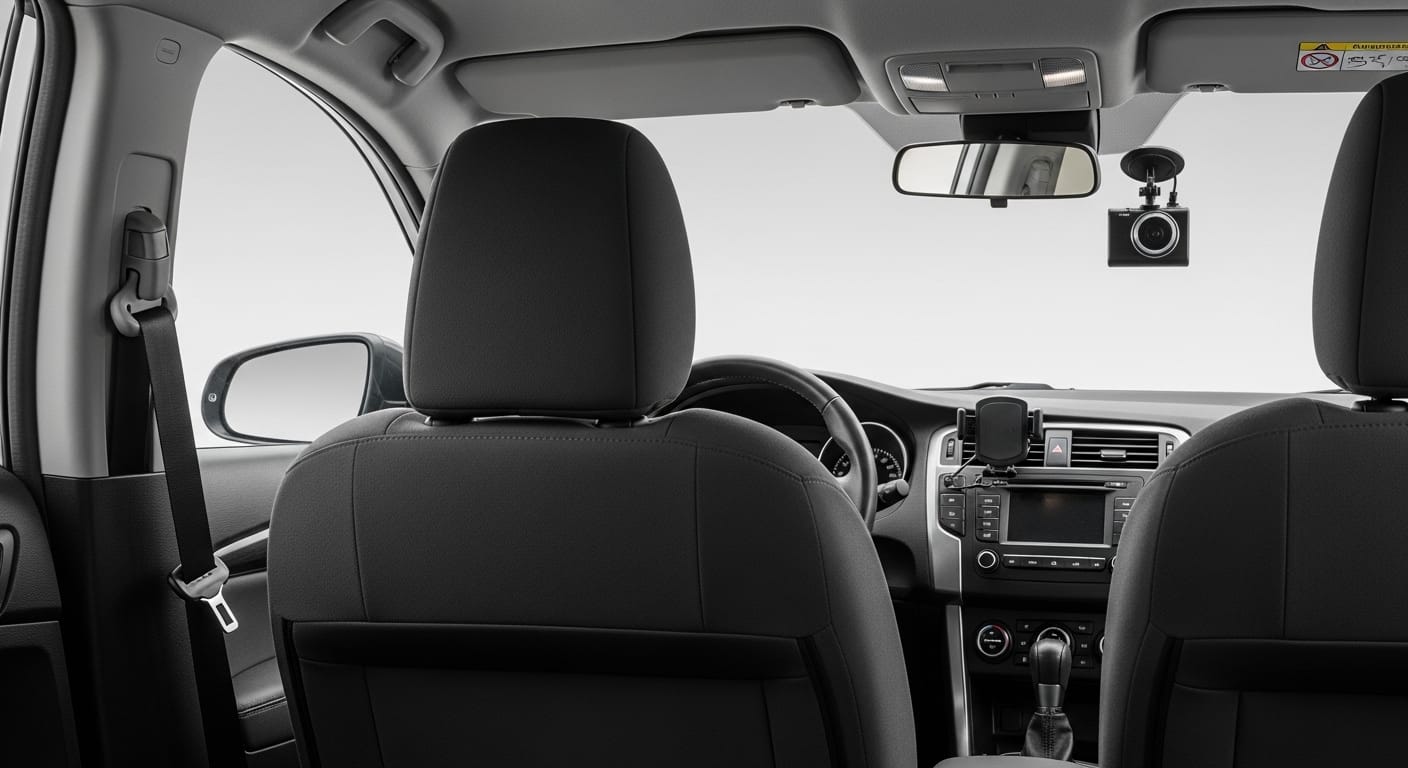
Before the ride, parents should review the pickup and drop-off location. The teen should wait in a safe place with good lighting and clear visibility. The phone should have enough battery for the full trip.
At pickup, the teen should check the license plate, car model, driver photo, and PIN. They should only enter when everything matches. If the driver asks the teen to skip verification, that is a warning sign.
During the ride, the teen should wear a seat belt, follow the trip in the app, and avoid sharing personal details. If the route feels wrong, the teen should message or call the parent through the app process.
Parents should set clear ride rules
Parents should create simple rules that the teen can remember. For example, only ride from approved locations. Always use PIN verification. Always wear a seat belt. Never enter a car when the app details do not match.
Parents should also set rules for drop-offs. A teen should not choose a hidden or unsafe location just to save time. Schools, homes, public buildings, and well-lit areas are better choices.
Drivers should keep teen rides professional
Drivers also have a role in teen rideshare safety. They should keep the trip simple and professional. Confirm the rider, follow the route, avoid unnecessary stops, and use app communication when needed.
Drivers should not ask personal questions or pressure the teen to change the trip outside the app. If a pickup or drop-off creates concern, the driver should use the platform’s support and safety tools.
Families can review Uber’s official teen ride information here: Uber for teens. Lyft also explains its teen ride option here: Lyft Teen.
The bottom line is clear. Teen rideshare safety depends on more than one app feature. PIN checks, trip tracking, parent controls, pickup rules, and driver professionalism all work together.
Teen rideshare accounts can help families manage busy schedules, but they should not replace safety education. Parents should train teens before the first ride. Teens should follow the same routine every time. Drivers should understand that teen trips require extra care.
Rideshare is changing fast in 2026. More families will use app-based transportation for teens. The safest families will not be the ones that simply download the feature. They will be the ones that use it with clear rules, strong habits, and full attention from pickup to drop-off.