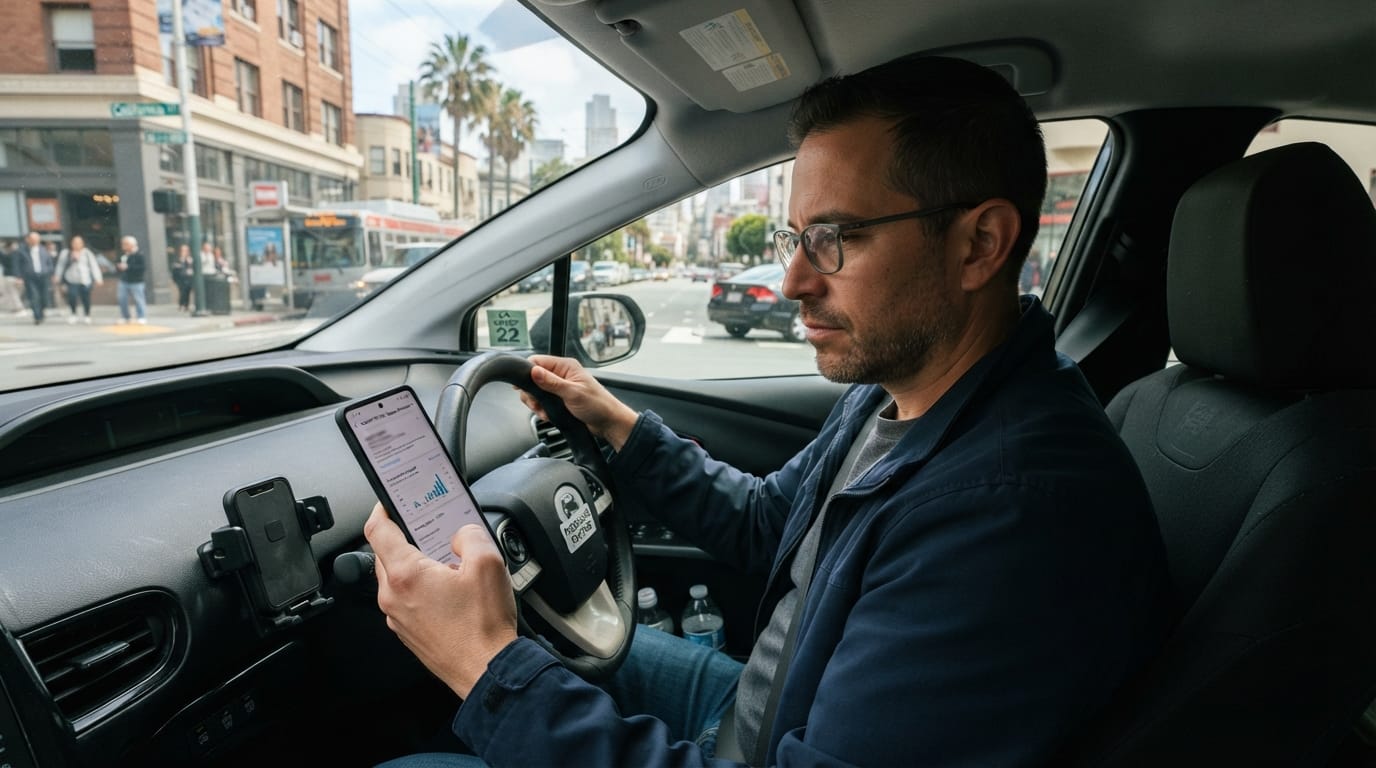
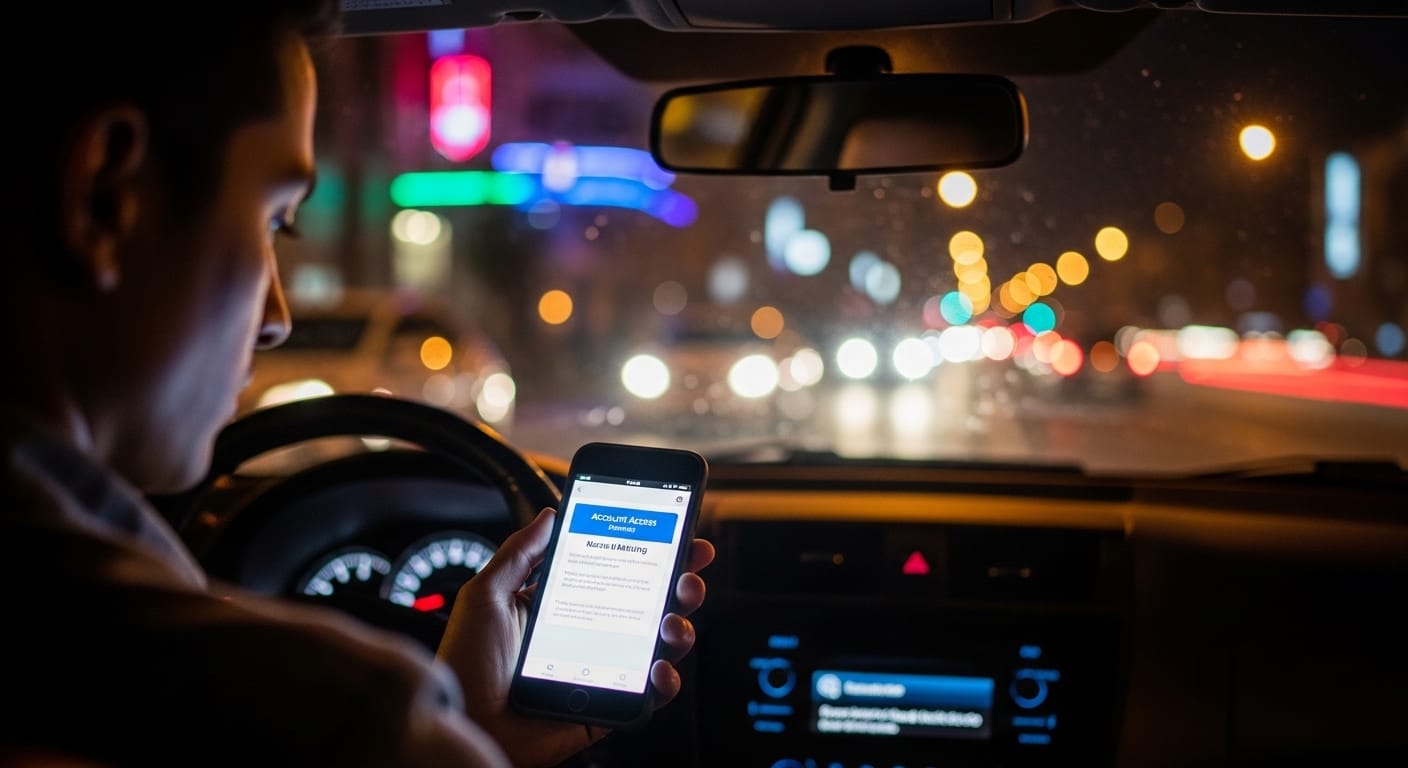
Rideshare driver deactivation is one of the biggest platform risks for Uber and Lyft drivers in 2026. A driver can lose access after a passenger complaint, background check issue, expired document, safety report, fraud flag, or platform policy concern. Sometimes the reason is clear. Other times, the notice feels vague and sudden.
For drivers, this is not just an app problem. It can stop income overnight. A full-time driver may depend on weekly rideshare earnings for rent, fuel, insurance, car payments, and family bills. Even part-time drivers can feel the shock when one platform removes access without much warning.
This topic fits rideshare.blog because your site already covers new rideshare regulations in 2026, rideshare safety features, Uber vs Lyft for drivers, and high fuel prices and driver earnings. Deactivation connects with all of these issues because it affects safety, income, platform trust, and driver rights.
The hard truth is simple. Drivers should not wait until deactivation happens before they think about evidence. A smart driver prepares before a problem starts. That means saving records, using safer habits, keeping documents current, and knowing how an Uber deactivation appeal or Lyft appeal may work.
Why Rideshare Driver Deactivation Is Trending in 2026
Deactivation is trending because drivers are questioning how much control platforms should have over app access. Uber and Lyft need safety rules. They also need systems that remove dangerous behavior from the platform. But drivers also need fair review when a complaint, error, or unclear report threatens their income.
This issue became more visible after a California lawsuit challenged Uber over deactivation appeals and Proposition 22. The lawsuit alleges that Uber has not provided the appeal process drivers were promised under California’s app-based driver law. Uber denies the claims and says it provides drivers with a clear review process.
That debate matters beyond California. Drivers in many markets worry about the same problem. They want to know why they lost access, what evidence the platform considered, and how they can respond. Without a clear process, drivers can feel like they are arguing with a screen instead of a real reviewer.
Common Reasons Drivers Lose App Access
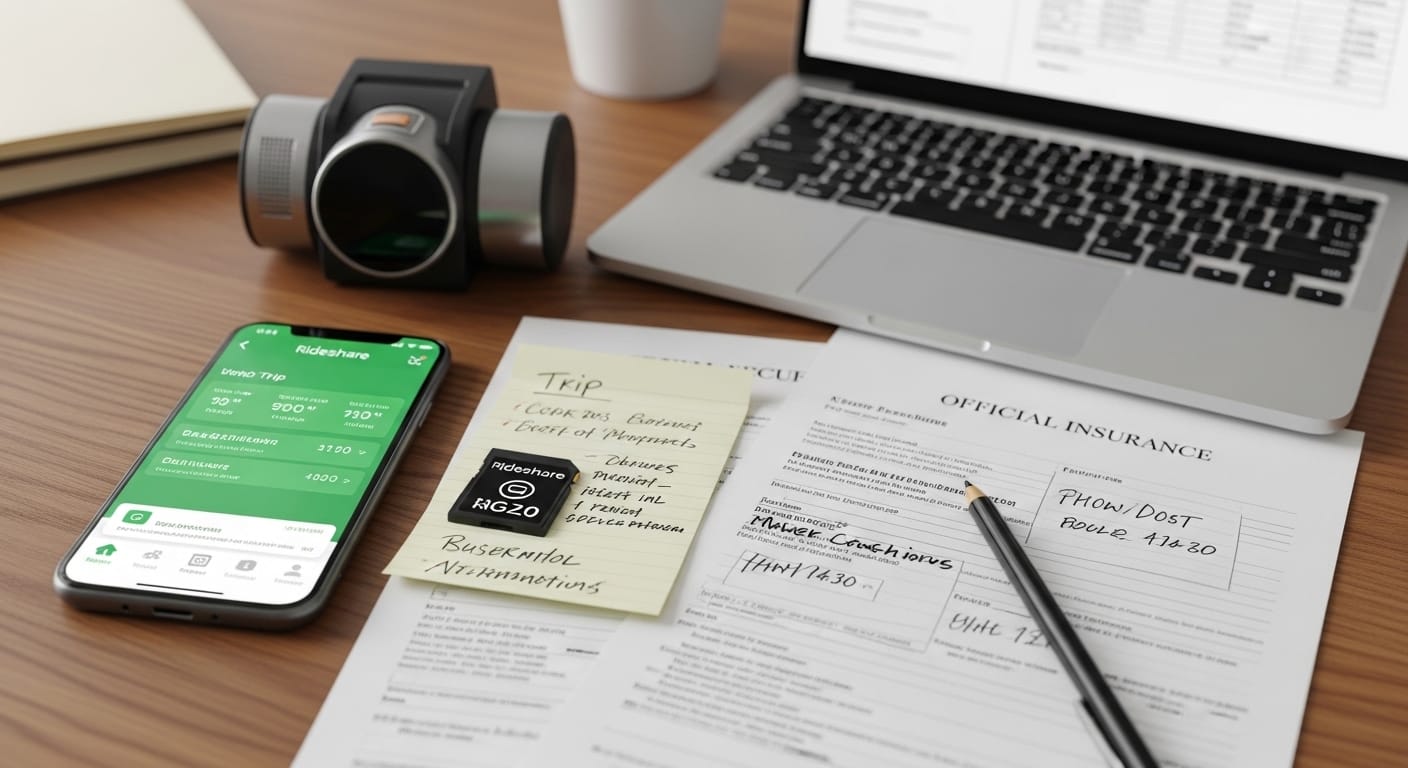
The most common deactivation reasons fall into a few groups. The first group is paperwork. This includes expired licenses, rejected insurance documents, outdated registration, missing inspections, or background check problems. These issues may feel frustrating, but drivers can often fix them with clean documents.
The second group is safety. This may include accident reports, unsafe driving complaints, alleged impairment, harassment claims, discrimination reports, or passenger conflict. Safety-related cases can be harder because platforms may act fast to protect riders and reduce legal risk.
The third group involves trust and account behavior. A platform may flag suspected fraud, suspicious trips, fake accounts, GPS manipulation, route abuse, false cleaning claims, or unusual cancellation behavior. Drivers do not always understand the exact trigger. That is why records matter.
Passenger complaints can create serious account problems
Passenger complaints can hurt drivers quickly. A rider may report unsafe driving, rude behavior, discrimination, harassment, or a bad pickup experience. Some reports are honest. Some may come from misunderstandings. A few may come from riders trying to get a refund.
Drivers cannot control every passenger. They can control their own habits. Keep communication polite. Confirm the rider name before starting. Use the app for trip changes. Avoid personal comments. Do not argue about ratings, tips, routes, or cancellations.
Documents and background checks can also trigger removal
Not every rideshare driver deactivation starts with a passenger. Some begin with expired documents or background checks. A license issue, insurance mismatch, vehicle record, or account verification problem can remove access until the platform reviews it.
Drivers should check expiration dates before the app warns them. Keep copies of licenses, insurance cards, inspection forms, vehicle registration, and platform messages. A clean file can save time when the account needs review.
How an Uber Deactivation Appeal Usually Starts
An appeal starts with the notice. Read it carefully. Do not respond in anger. Do not send a messy message. The first response should focus on facts, timelines, and proof.
Uber says drivers and delivery people should have the ability to request review of many decisions that remove access for more than seven days, outside the most serious cases. Uber also says drivers may provide extra information, such as audio or video recordings, through its review process.
Drivers can read Uber’s official explanation here: Uber deactivation review process. That page explains common reasons for losing access, how Uber describes its review process, and what evidence drivers may be able to provide.
Evidence matters more than emotion
A strong Uber deactivation appeal should not read like a rant. It should read like a clear report. Useful evidence may include dashcam video, trip screenshots, app messages, GPS records, police reports, photos, repair records, witness names, or medical records after a crash.
The appeal should explain the timeline. State what happened before the trip, during the trip, and after the issue. Keep the tone calm. Avoid insults. Avoid long emotional paragraphs. The reviewer needs facts they can check.
How Drivers Can Protect Themselves Before Deactivation Happens
The best deactivation strategy starts before the account is at risk. Drivers should treat rideshare work like a real business. That means better records, safer driving habits, current documents, and backup income options.
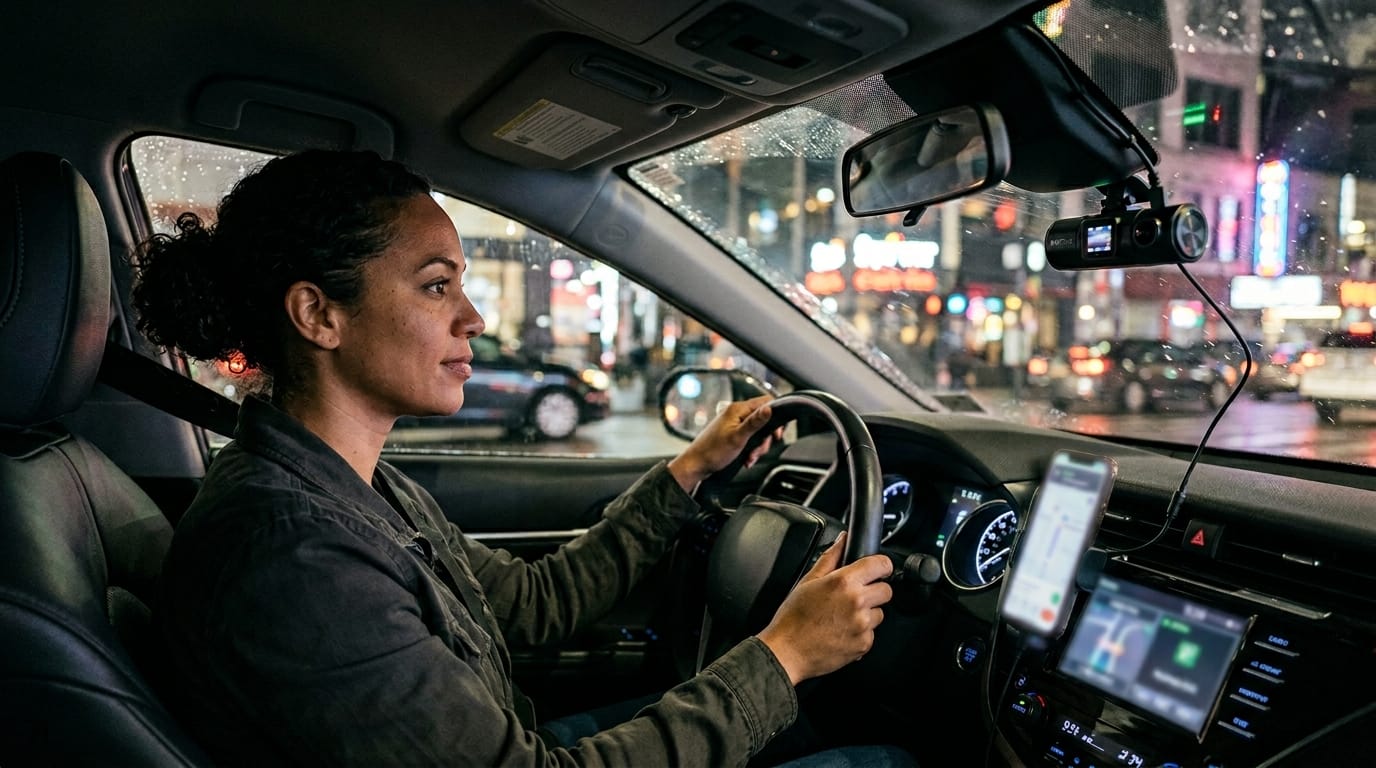
A dashcam can help in many cases. It can support the driver during rider disputes, false reports, unsafe behavior, or accident questions. Local laws may affect audio recording, so drivers should understand their state rules. Even without audio, video can still show key facts.
Drivers should also save important app messages. If a rider changes the destination, asks for an unsafe stop, refuses a child seat rule, brings too many passengers, or creates conflict, keep records. Those details may matter later.
Vehicle condition also matters. A clean car, working seat belts, updated documents, and smooth driving habits reduce complaint risk. Drivers should not give riders easy reasons to report them.
A Practical Deactivation-Protection Checklist
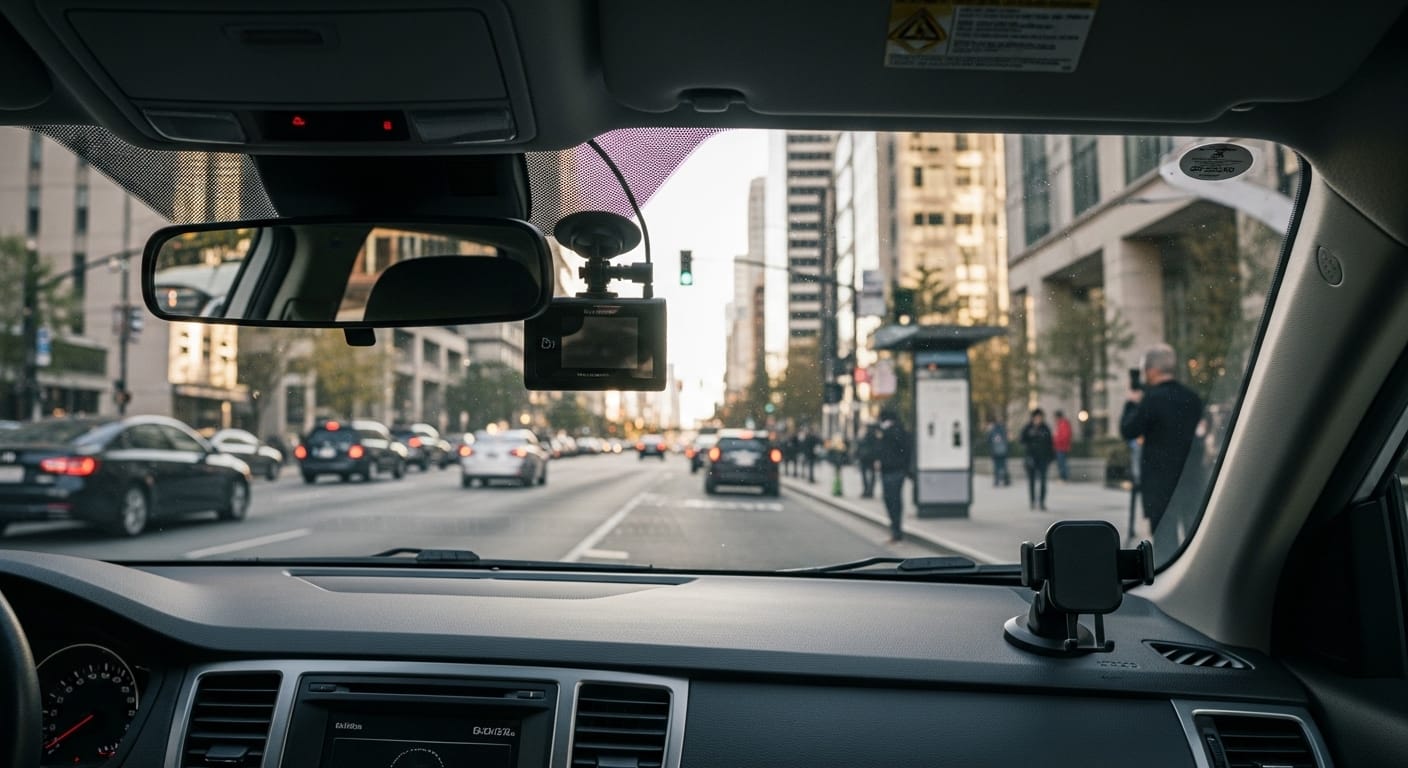
Use a dashcam if it is legal in your area. Keep your phone mounted. Avoid texting while driving. Confirm pickup details before moving. Stay calm during conflict. Report serious rider problems through the app right away.
Keep all documents current. Review insurance, registration, inspection, and license dates monthly. Save platform notices in one folder. Take screenshots of serious trip issues. Track account problems the same way you track expenses.
This also connects with driver earnings. A driver who keeps records for taxes should also keep records for safety, disputes, and account access. Good documentation protects more than one part of the business.
Multi-apping can reduce income shock
Drivers should not depend on one app if they can avoid it. One deactivation can create major stress when all income comes from a single platform. Using more than one approved app can reduce that risk.
Multi-apping does not mean accepting overlapping rides or breaking platform rules. It means having backup options. A driver may use Uber, Lyft, delivery apps, local courier work, or another flexible income source. The goal is to avoid one account decision destroying the whole week.
Professional habits lower complaint risk
Professional habits do not guarantee protection, but they help. Greet riders politely. Drive smoothly. Avoid political or personal arguments. Keep the car clean. Follow traffic laws. Do not argue about tips, ratings, or routes.
When a rider becomes difficult, stay calm and document the issue. If safety becomes a concern, end the trip in a safe place and report the incident through the app. A calm report made early can help if the rider complains first.
The bottom line is clear. Rideshare driver deactivation can happen quickly, and it can hurt income fast. Drivers should know the appeal process, but they should also prepare before they ever need one.
An Uber deactivation appeal or Lyft appeal works better when the driver has clear evidence, a calm timeline, and current documents. Drivers who save records, use safe habits, and keep backup income options place themselves in a stronger position.
Rideshare work gives drivers flexibility, but that flexibility comes with platform risk. Treat the account like a business asset. Protect it with documentation, safer driving, professional conduct, and a plan for what happens if access changes overnight.