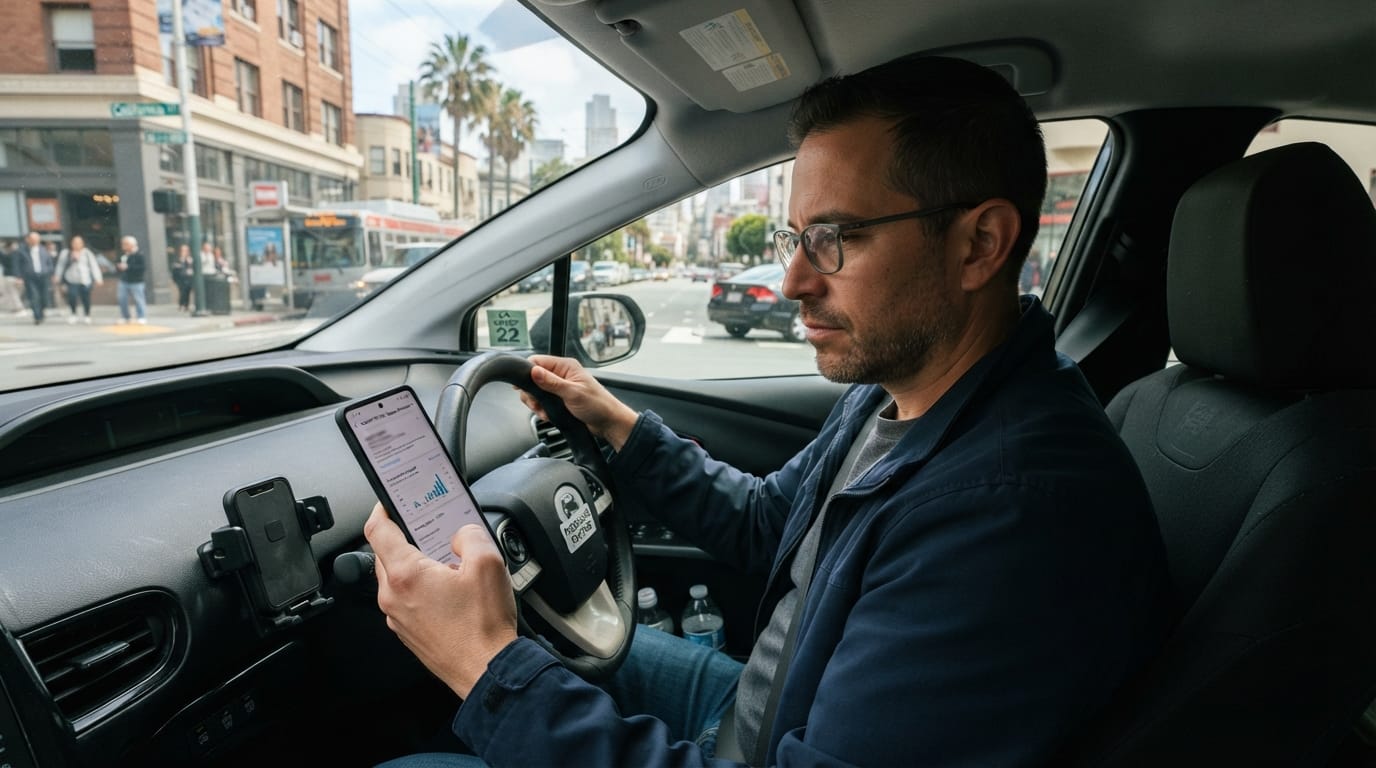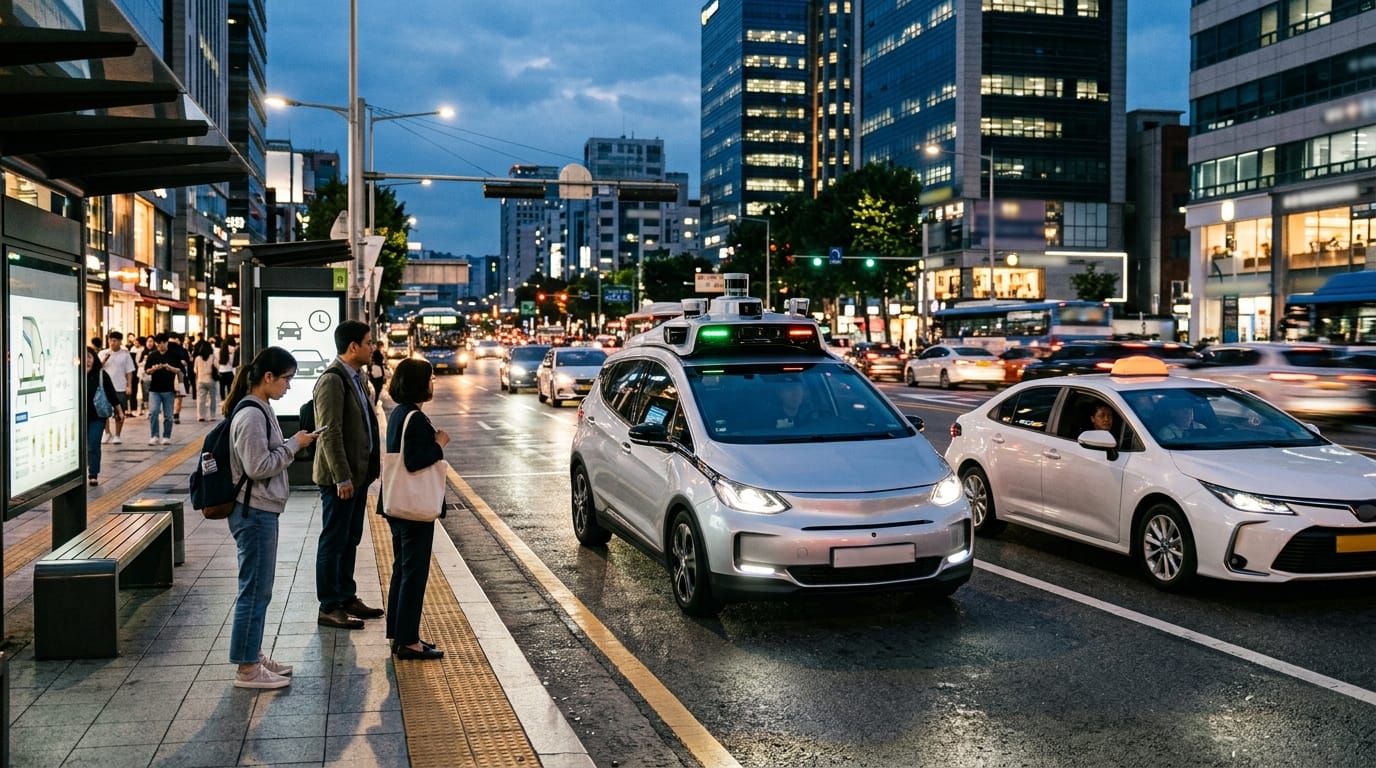
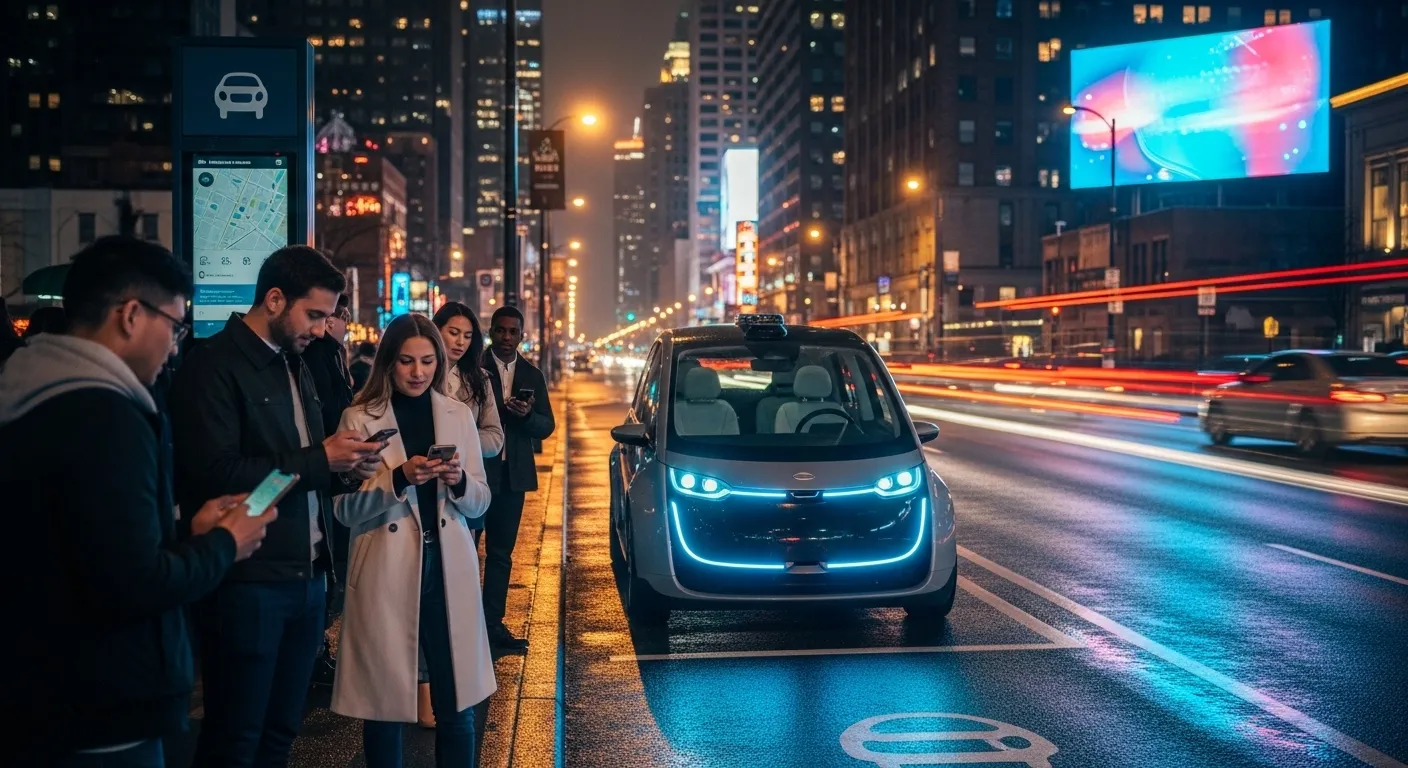
Uber robotaxi strategy 2026 is one of the most important rideshare topics to watch right now. For years, robotaxis were treated like a future story, a flashy demo, or a side discussion for investors and autonomous-vehicle fans. That framing no longer works. In 2026, the conversation is more practical. Uber is making bigger autonomous partnerships, more public rollout moves, and more visible long-term bets that affect how drivers, riders, and the wider rideshare market think about the next few years.
That matters because the real impact of robotaxis does not begin only when a city is filled with driverless rides. The shift often starts earlier. Platform priorities change. Rider expectations change. App design changes. Premium routes, airport access, and high-frequency urban trips start to look different once autonomous service becomes a real product category inside a familiar rideshare ecosystem.
This topic fits rideshare.blog well because it builds naturally on your existing coverage of Waymo and Lyft in Nashville, Uber and Motional in Las Vegas, new rideshare regulations in 2026, and personalized matching. Those posts already show where the industry is heading. This article gives readers the bigger strategic layer behind those updates.
Why Uber’s Robotaxi Strategy Matters More in 2026
Robotaxi coverage becomes more useful when it moves past hype. The real question is not whether autonomous rides sound impressive. The real question is how Uber is positioning itself as the market changes. In 2026, that matters because Uber is no longer just reacting to the robotaxi trend. It is actively trying to shape where it fits inside it.
This Is Bigger Than One City Launch
A lot of readers still think about robotaxis city by city. They hear about one launch in Las Vegas, another push in Nashville, and maybe a few scattered headlines about Waymo, Zoox, or another autonomous company. That view misses the bigger change. Uber’s robotaxi strategy matters because it is not tied to one operator or one city test. It is increasingly about building a platform layer that can sit on top of multiple autonomous systems.
Uber is building a marketplace position, not just a mobility headline
That distinction is huge. A company that wants to build and own every part of the robotaxi stack faces one kind of challenge. A company that wants to become the marketplace where multiple robotaxi services reach riders faces another. Uber’s current pattern suggests it wants the second role. That makes the business model more flexible, and it also changes how drivers should think about future competition.
Instead of asking whether one specific autonomous partner will “win,” readers should ask a broader question: what happens if Uber becomes the easiest place for riders to book both human-driven trips and robotaxi trips in the same app? That is a bigger shift than one isolated launch. It changes the platform’s long-term value, the kinds of trips it may emphasize, and how human drivers fit into the network over time.
More partnerships mean the robotaxi story is becoming harder to dismiss
The growing list of partnerships is part of why this trend feels different now. Uber is not hanging its future on one autonomous company or one experiment. That makes the story harder to wave away as just another press cycle. When more operators, more cities, and more vehicles start appearing in the same broader strategy, readers should assume the company is thinking beyond testing and closer to scaled positioning.
This also explains why your earlier post on Waymo and Lyft in Nashville matters so much. That article shows one form of expansion. Your Uber and Motional in Las Vegas piece shows another. Together, they tell readers something important: robotaxi growth is no longer a single-company narrative.
Why the Platform Model Matters So Much
Uber’s robotaxi strategy is not only about technology. It is about distribution. The companies building autonomous vehicles still need rider demand, trusted app infrastructure, pricing systems, route matching, payments, and support tools. Uber already has those things. That is what makes the platform model so powerful.
Rideshare may split between generic trips and human-value trips
If robotaxis keep expanding through major apps, the first visible effect may not be instant replacement of human drivers. The early change may be more selective. Highly repetitive, well-mapped, high-demand urban trips may become the easiest areas for autonomous service to grow. Meanwhile, trips that depend on human judgment, flexible pickup handling, luggage help, complicated venues, nightlife conditions, or messy curbside realities may stay more human-led for longer.
That is why this topic also connects naturally to your post on how high fuel prices are reshaping rideshare driver earnings. When platform economics shift, drivers need to think more carefully about which trips still offer real value after fuel, time, and dead miles. The robotaxi question is not only about technology. It is also about where human driving remains worth doing.
What Drivers and Riders Should Watch Next
The smartest readers do not need a dramatic prediction. They need a framework. Uber’s robotaxi strategy becomes easier to understand when you stop asking whether robotaxis are “ready” in a vague sense and start watching where pressure is most likely to show up first. That helps drivers think more clearly, and it helps riders understand how the app experience may evolve.
Watch the Routes, the Rules, and the Rider Experience
For drivers, the first signal is not whether every trip disappears. The first signal is where autonomous trips are most likely to gain ground. Downtown corridors, airport-adjacent routes, repeat commuter zones, and other highly structured urban trips are easier to standardize than chaotic edge-case rides. If you drive regularly in those environments, this trend deserves closer attention.
That does not mean panic makes sense. It means planning makes sense. Drivers should pay more attention to their real margins, their strongest trip types, and how each platform is changing. That is why your article on Uber vs Lyft for Drivers in 2026 is a useful internal link here. As robotaxi strategy expands, the differences between platforms may become even more important for drivers trying to protect earnings and choose where to focus.
Regulation and trust will decide how fast this really grows
Technology alone does not determine the pace of change. Regulation, incident reporting, public trust, and rider comfort all matter. Even if autonomous systems become more capable, expansion still depends on whether cities accept them, whether regulators stay satisfied, and whether riders actually want the experience at scale.
That is why your post on new rideshare regulations in 2026 belongs in this conversation. The future of rideshare will not be decided only by software and hardware. It will also be shaped by reporting rules, safety oversight, labor pressure, insurance questions, and public accountability. For readers who want an official external reference, the NHTSA Standing General Order on Crash Reporting is one of the clearest places to understand why autonomous-vehicle oversight still matters.
Riders should watch something slightly different. They should pay attention to how normal autonomous rides start to feel inside the app. Is the booking flow simple? Does pickup feel clear? Do support options feel trustworthy? Are riders seeing robotaxis as a novelty, or just another choice inside a familiar transportation tool? That experience layer matters more than many people realize.
This is also where your post on the best rideshare safety features in 2026 fits well. Trust grows when riders understand the safety tools, the support systems, and the reporting expectations that sit behind the ride. Without that, even the best autonomous marketing will feel thin.
The bottom line is straightforward. Uber robotaxi strategy 2026 is a strong topic because it ties together platform partnerships, city launches, regulation, driver economics, and rider trust in one clear story. For rideshare.blog, it also works because it extends the exact themes the site is already covering instead of forcing a random new angle. Most importantly, it gives readers a practical way to think about the future of rideshare while the shift is happening, not after it is already obvious.