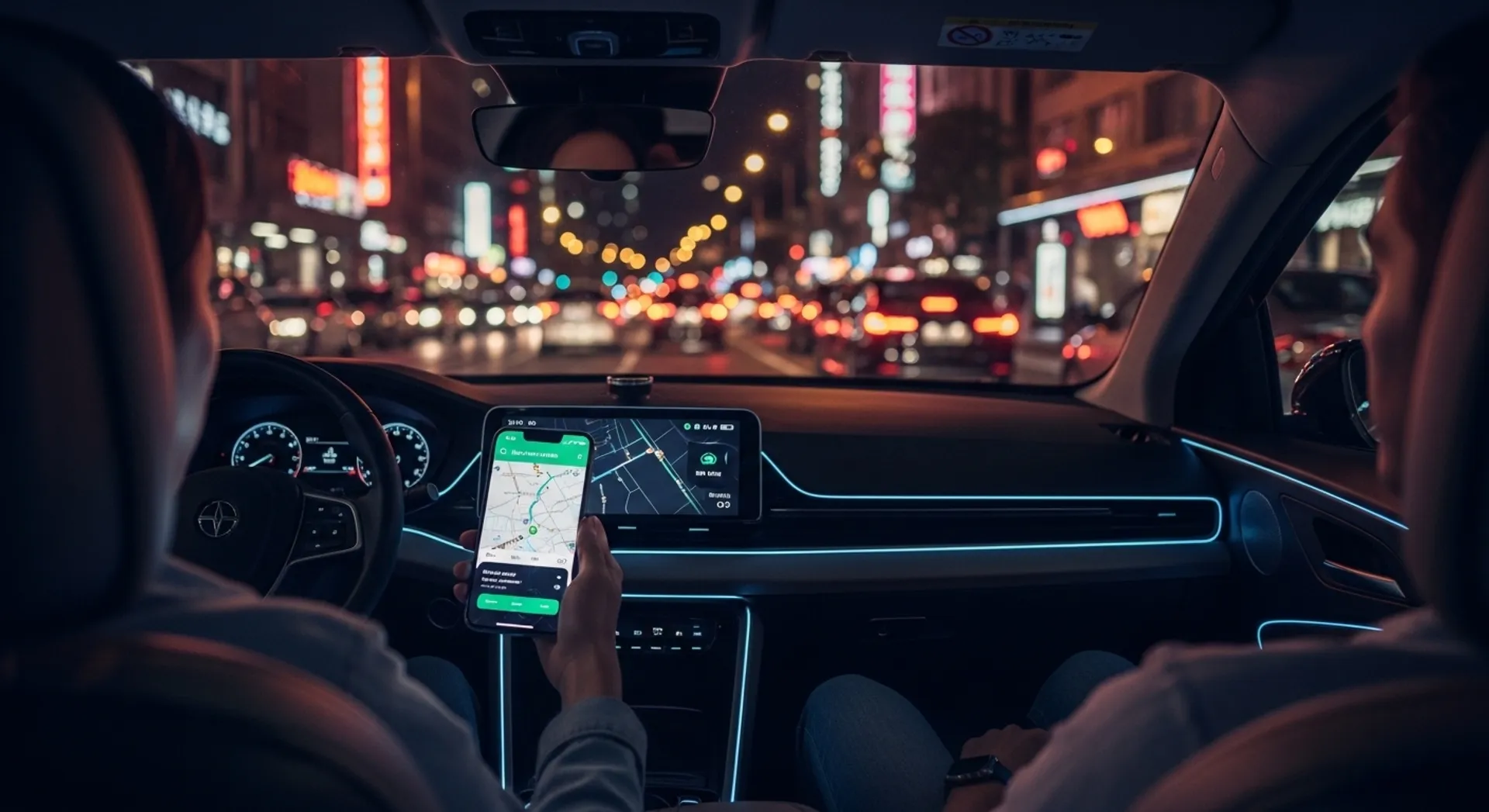
The launch of the Uber and Motional robotaxi service in Las Vegas is one of the biggest rideshare stories of 2026. It is not just another tech demo, and it is not just another flashy mobility announcement built for headlines. This is a real commercial launch inside a mainstream ride-hailing app, which means actual riders now have a real chance of being matched with an autonomous vehicle during a normal trip request.
That matters because the conversation around robotaxis is shifting. For years, autonomous vehicles lived in the world of promises, pilots, and test programs. Now the question is more practical: are robotaxis ready for regular people who just want a simple, reliable ride? That is the real test, and Las Vegas is now one of the clearest places to watch it happen.
If you are following the wider rideshare shift, also read our guide to Uber Women Preferences in 2026 and our breakdown of Lyft’s gas relief program in 2026. Both show the same thing from different angles: rideshare platforms are evolving fast, and the user experience is becoming more personalized, more strategic, and more shaped by technology.
What launched in Las Vegas?
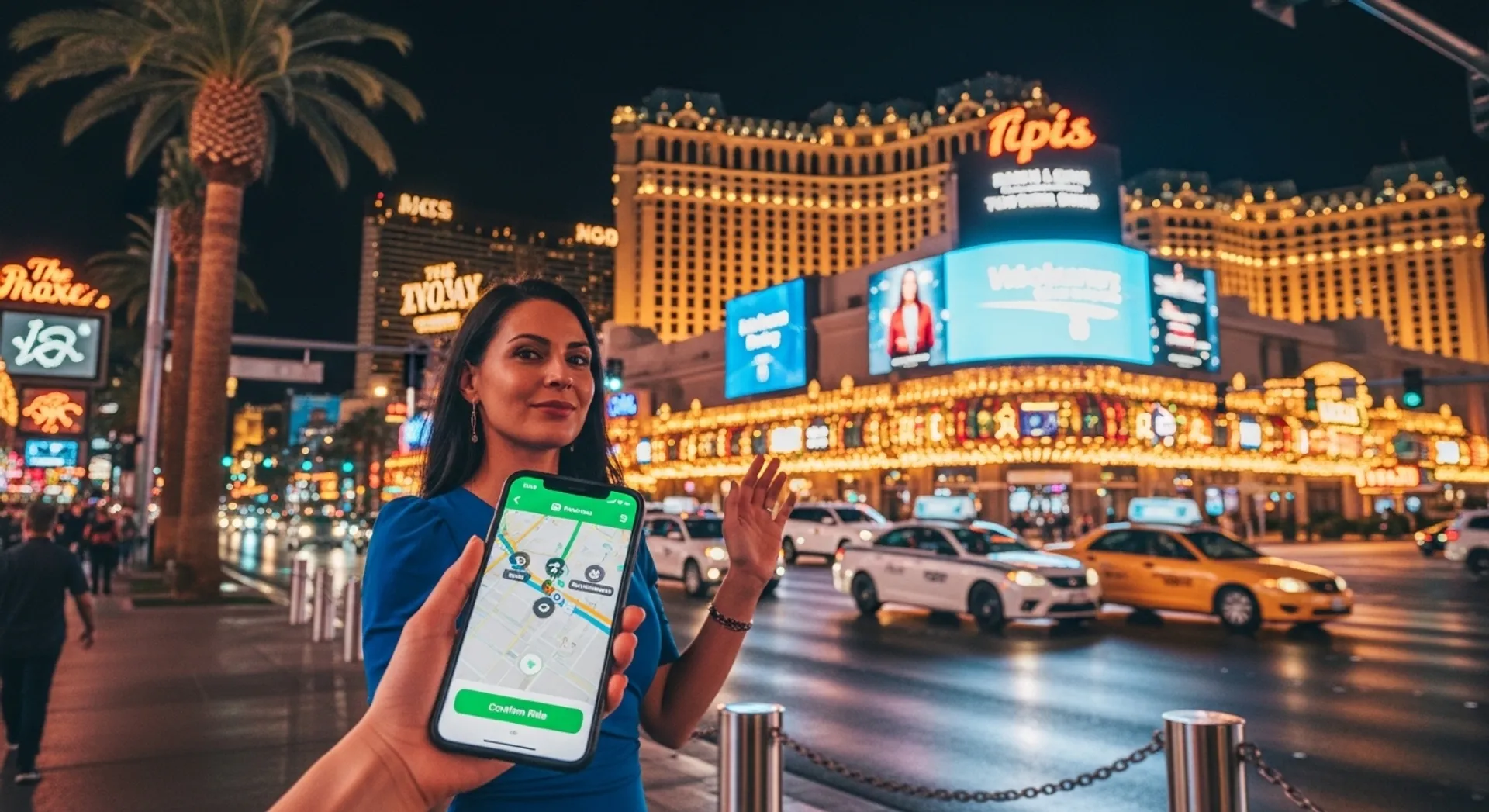
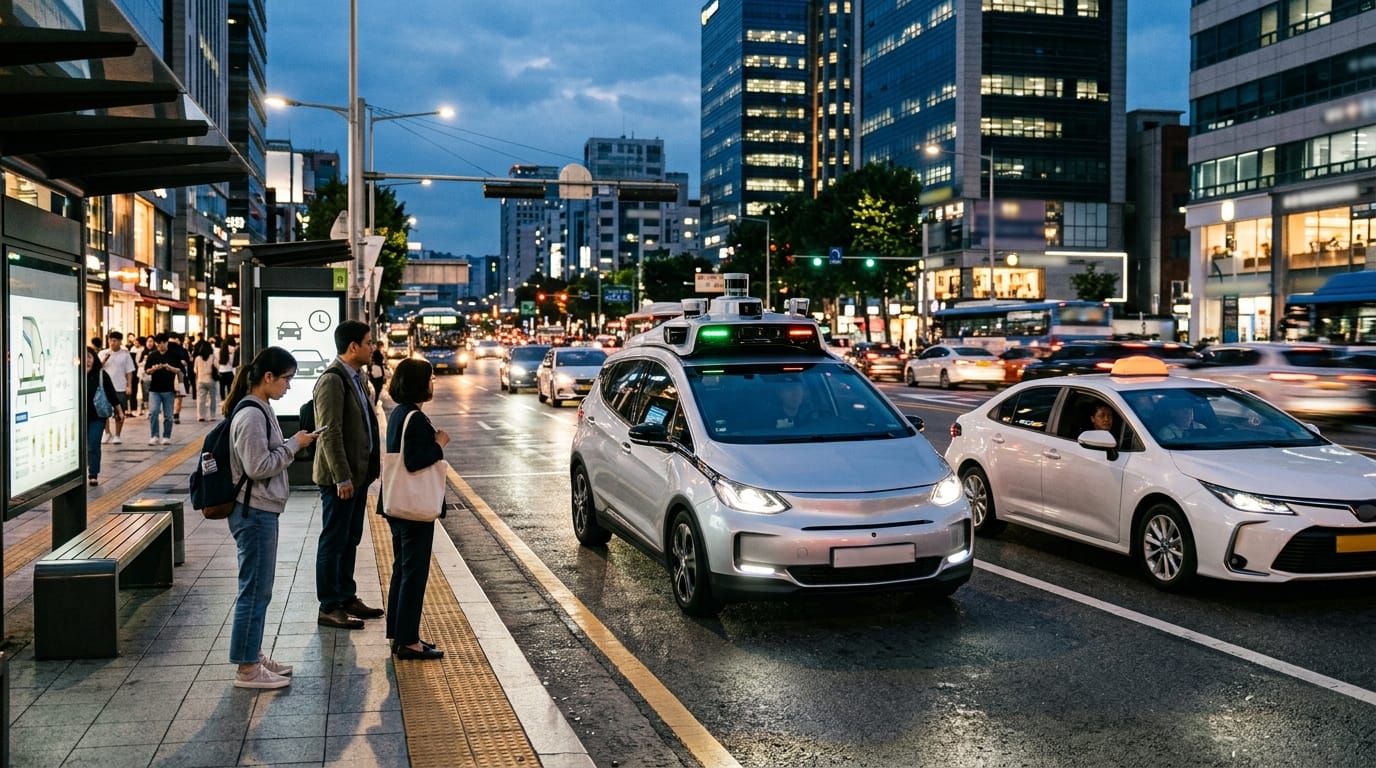
Uber and Motional launched a robotaxi service in Las Vegas that allows riders using the Uber app to be matched with an all-electric Motional IONIQ 5. At launch, the service is not available everywhere in the city. It operates in selected pickup and drop-off zones, especially around major Las Vegas destinations. That limited rollout is not a weakness. It is part of the strategy.
When autonomous mobility companies go live in a real city, they usually do it in a controlled environment first. That helps them manage expectations, monitor performance, and build operational discipline before expanding coverage. In other words, Las Vegas is not just a launch market. It is a proving ground.
How does the service work inside Uber?
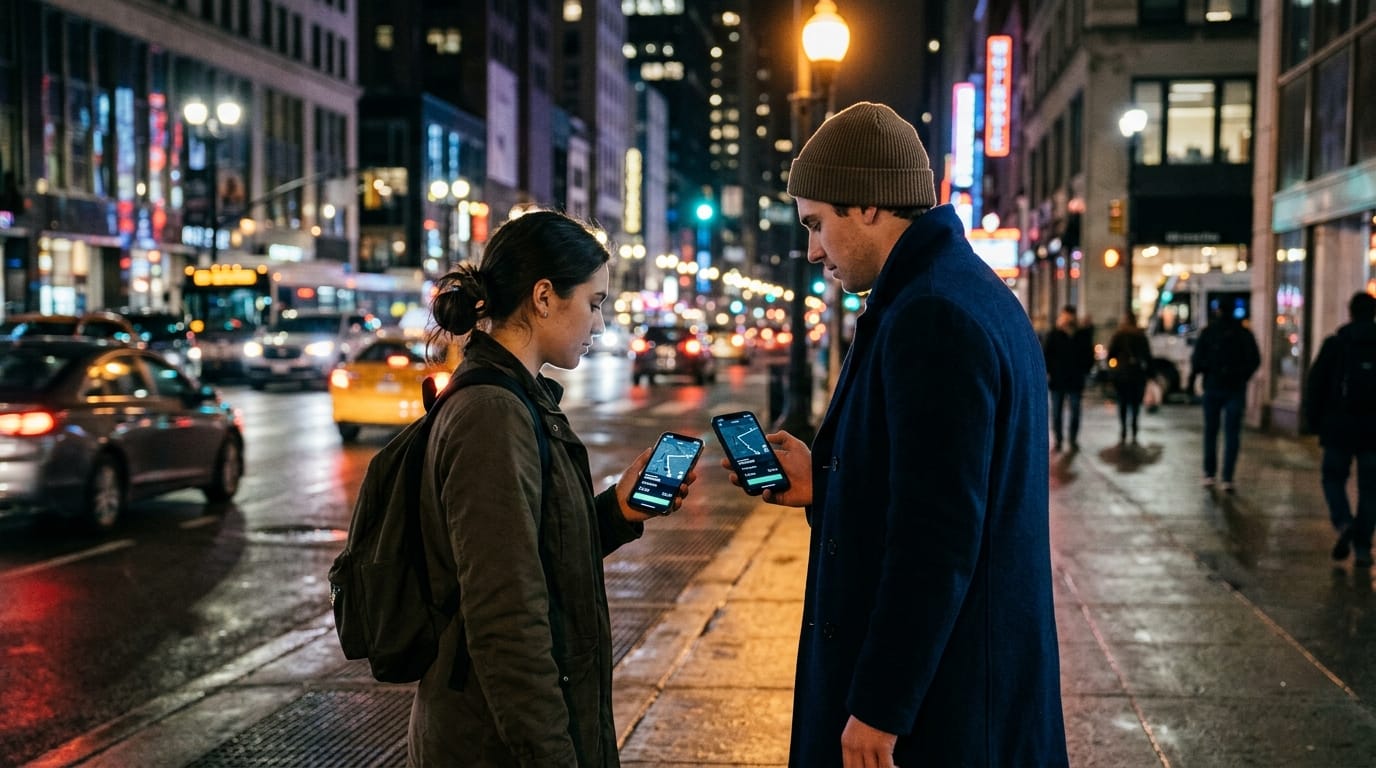
For riders, the process is designed to feel familiar. You open the Uber app, request a ride as usual, and if the trip qualifies, you may be matched with a Motional robotaxi. The vehicle arrives, the ride begins through the same app flow riders already know, and the experience is supposed to feel like an extension of Uber rather than a separate experimental system.
That integration is a big deal. One reason many mobility pilots fail to matter is because they ask people to download another app, learn a new system, or go out of their way to try a product. Uber avoids part of that friction by keeping the robotaxi inside its existing ride-hailing ecosystem.
What riders should expect on the trip
At launch, riders who request UberX, Uber Electric, Uber Comfort, or Uber Comfort Electric in supported areas may be matched with the robotaxi. Riders are notified when that happens, and they can still switch to a non-autonomous ride if they prefer. Once matched, they can unlock the vehicle and begin the trip through the app. Inside the vehicle, audio prompts help guide the rider through basic steps like fastening a seat belt and closing the doors properly.
Why the no-extra-cost detail matters
One of the smartest parts of the launch is that Uber says the robotaxi match comes at no additional cost. That matters because mainstream adoption rarely starts with premium pricing. If people feel like they are paying extra just to test unfinished technology, many will skip it. Making the price familiar lowers the psychological barrier and makes the real question about trust, not cost.
Why Las Vegas makes sense as a robotaxi market
Las Vegas is not a random choice. It is one of the strongest cities for an autonomous launch because it combines tourism, predictable high-demand corridors, simple repeatable routes, and a public that is more open than average to novelty. A city like that lets companies test rider behavior in a real commercial environment without taking on the full complexity of a wider urban network from day one.
Las Vegas also has something else that matters: visibility. If you launch in Las Vegas, people talk about it. Tourists notice it. Media covers it. Local curiosity turns into social media content fast. That kind of attention can help normalize the service much faster than a quiet rollout in a lower-profile city.
Why controlled scale beats big hype
Too many autonomous vehicle stories get framed as if the entire future arrives the moment one city gets a launch. That is not how this works. The more honest way to look at the Uber and Motional rollout is that it is a meaningful commercial step, but still a limited one. Coverage area matters. Trip types matter. Human support matters. All of those details tell you the companies are still in a managed expansion phase, not a full robotaxi takeover.
That does not make the launch less important. It actually makes it more credible. A controlled rollout suggests the companies are focused on execution instead of just chasing headlines. In mobility, disciplined expansion is usually a better sign than oversized promises.
Why rider trust is the real battleground
Technology matters, but trust matters more. Most riders do not care about the sensor stack, compute hardware, or technical architecture inside an autonomous vehicle. They care whether the ride feels safe, smooth, predictable, and easy. That is why mainstream readiness is not just an engineering question. It is a confidence question.
Riders do not need to love the tech to use it
This is the key point many mobility companies miss. Riders do not need to become autonomous vehicle fans. They only need to believe the service is dependable enough to use when they need to get somewhere. The companies that understand that will grow faster than the ones still marketing robotaxis mainly as futuristic entertainment.
Are robotaxis actually ready for mainstream riders?
The honest answer is yes in a limited sense, and no in a total sense. They are ready enough for controlled commercial use in selected routes and carefully managed operating conditions. That is already significant. But they are not yet at the point where most cities can flip a switch and expect fully autonomous ride-hailing to blend into daily life without friction.
The launch itself shows that reality clearly. Motional’s vehicles still begin with a human operator behind the wheel monitoring the road. That alone tells you the technology is advanced, but not yet deployed at full confidence in this phase. Uber and Motional expect fully driverless service later in 2026, which means even the companies behind the rollout are treating this launch as part of a transition, not the end state.
What feels ready today
What feels ready is the customer-facing structure. The ride request flow is simple. The match happens inside an app people already use. The vehicle is electric, modern, and designed for ride-hailing. The service area is specific. The support layer still exists. All of that is exactly how a mainstream-facing rollout should look.
What still limits scale
The limits are just as important. The service does not cover all of Las Vegas. It does not instantly replace conventional drivers. It still relies on operating boundaries and a step-by-step rollout model. That is why the better headline is not “robotaxis are here, full stop.” The better headline is “robotaxis are becoming usable in more real-world rides, but scale is still selective.”
Human operators still tell you where the market stands
As long as human operators remain part of the service, the market is still in a trust-building stage. That is not a failure. It is part of the path. But it does mean anyone talking as if mainstream robotaxi adoption is already complete is getting ahead of reality.
What rideshare drivers should pay attention to
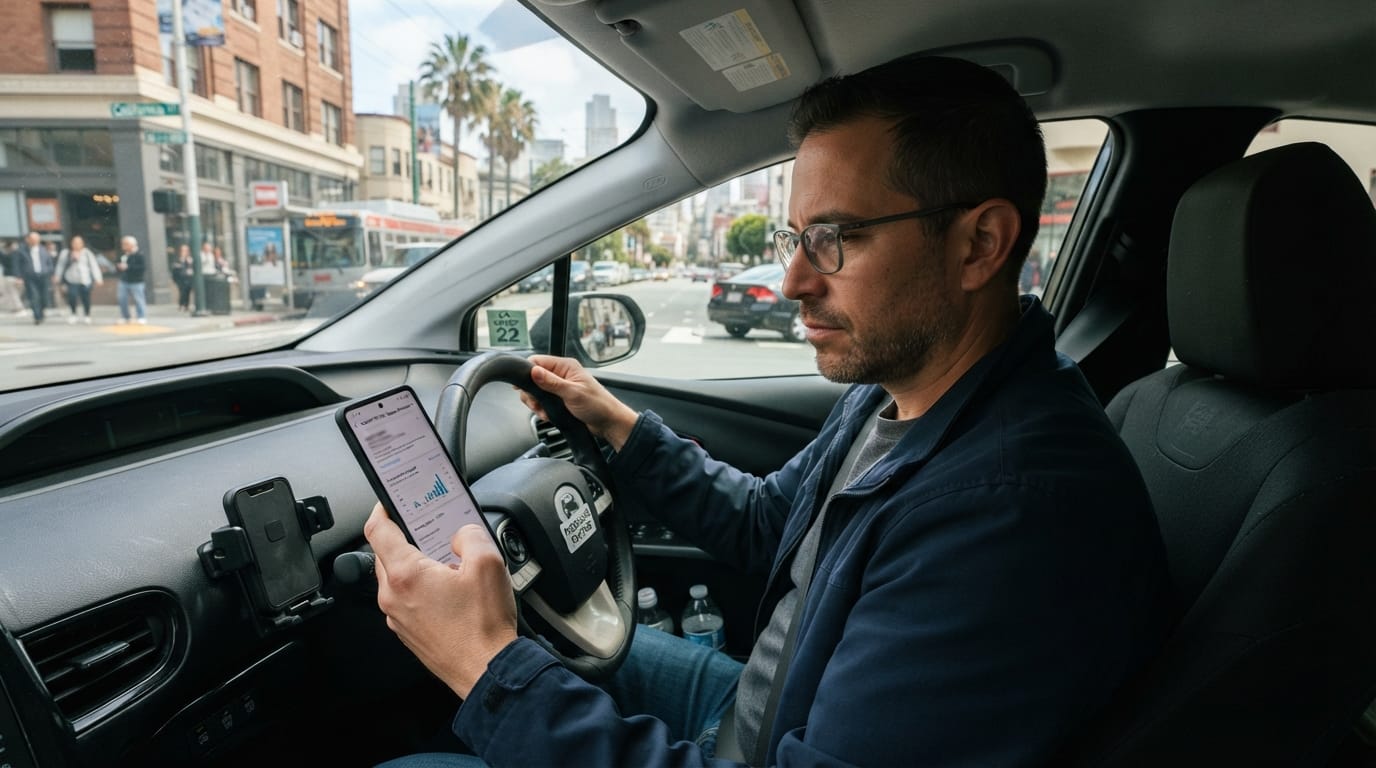
Drivers are right to watch this closely, but the near-term takeaway should stay grounded. The immediate threat is not that every standard ride disappears overnight. The more realistic shift is that autonomous trips may start taking a share of high-visibility, high-frequency, repeatable routes in markets that are well suited for controlled deployment. Airports, hotel corridors, tourist zones, and certain downtown loops are the obvious places to watch.
That means drivers should think strategically, not emotionally. Follow where autonomous coverage expands. Watch which ride categories are most likely to be matched. Pay attention to which cities become serious testing and rollout hubs. The pressure on drivers will likely arrive unevenly, not all at once.
Robotaxis and drivers may coexist longer than people think
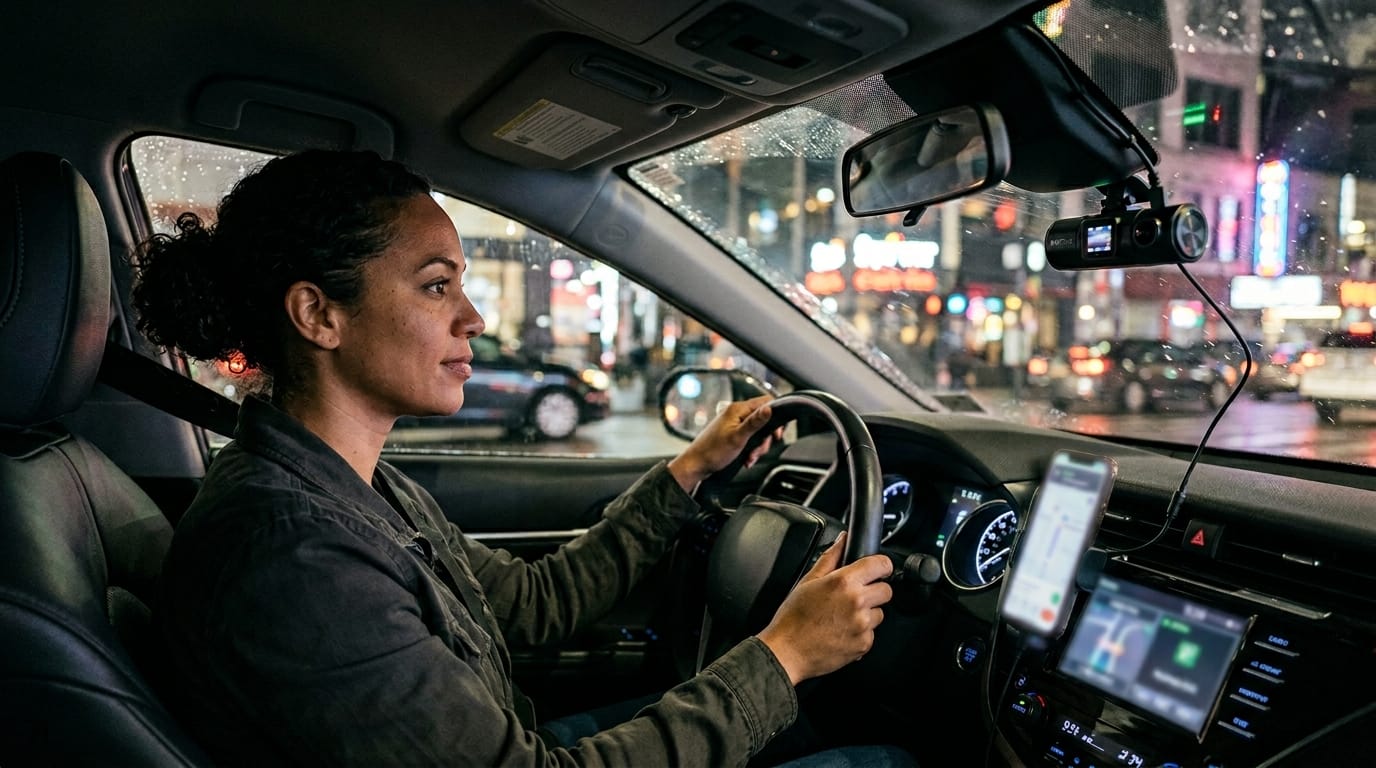
For the next few years, a hybrid model is still the most realistic outcome. Conventional drivers will continue handling most trips in most places, especially outside tightly controlled deployment zones. Robotaxis will grow, but not everywhere at the same speed. That makes this a transition story, not an instant replacement story.
Why this still matters right now
Even if full disruption is not immediate, the business direction is already clear. Uber is building partnerships across the autonomous sector, and that means robotaxis are not a side project. They are part of a long-term platform strategy. Drivers who ignore that signal are looking at the market too narrowly.
The biggest early shift may be competitive pressure
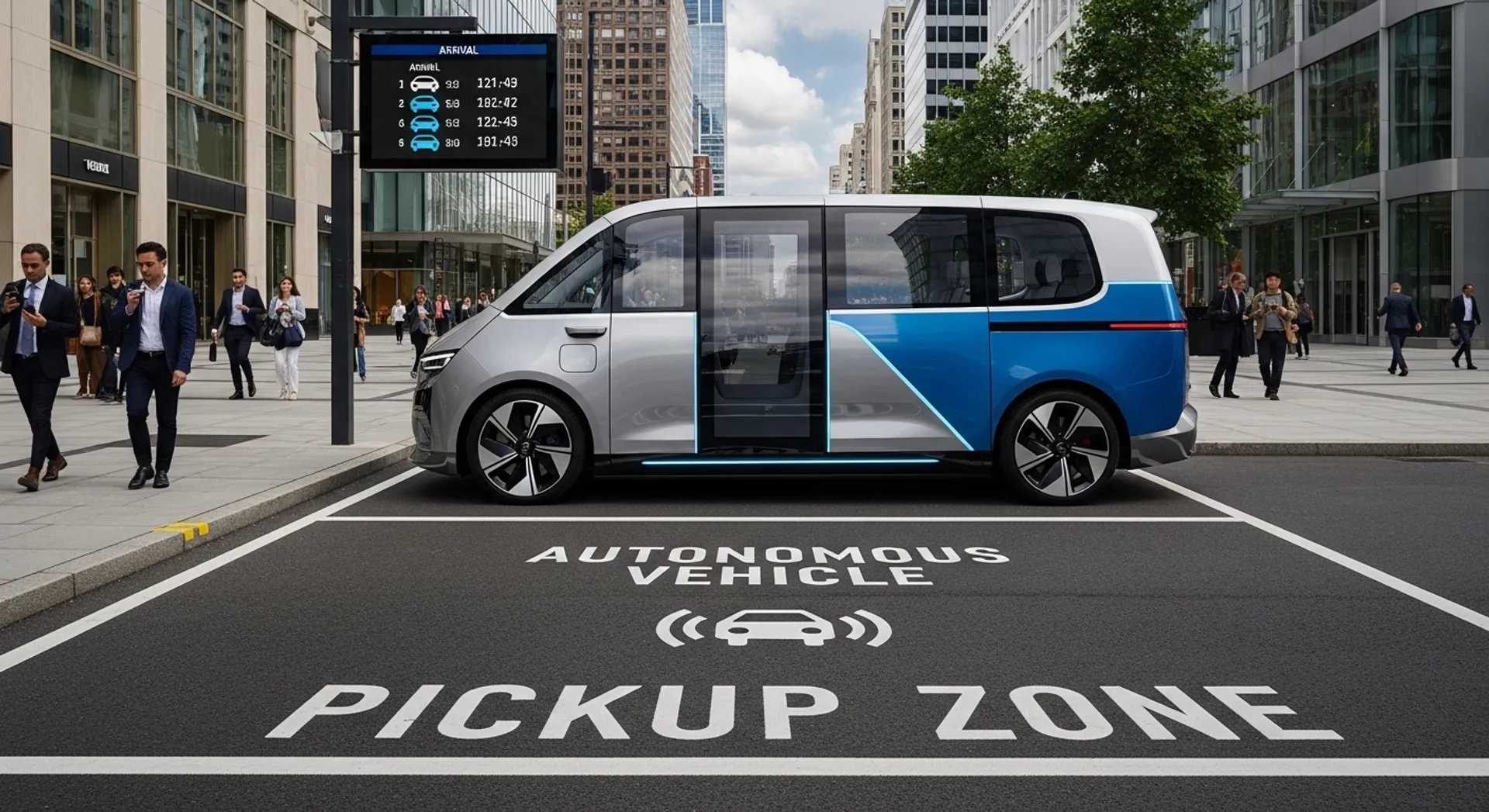
Before robotaxis replace large numbers of trips, they may first reshape expectations around cost, availability, and product innovation. That alone can influence how platforms design pricing, incentives, and rider experience over time.
Final thoughts
The Uber and Motional launch in Las Vegas is real progress, but it is not the end of the robotaxi story. It is a meaningful commercial step that shows autonomous rides are moving closer to regular consumer use, especially when companies integrate them into familiar apps and limit the first rollout to manageable operating zones.
So, are robotaxis ready for mainstream riders? They are ready enough to matter, ready enough to be taken seriously, and ready enough to shape the future of rideshare. But they are not yet ready to erase every limitation, every human support layer, or every reason riders still hesitate. That is what makes Las Vegas so important. It is not the finish line. It is where the next phase becomes visible.
For the official launch details, supported ride types, coverage zones, and rider options, see Uber’s announcement here: Uber and Motional Launch Robotaxi Service in Las Vegas.