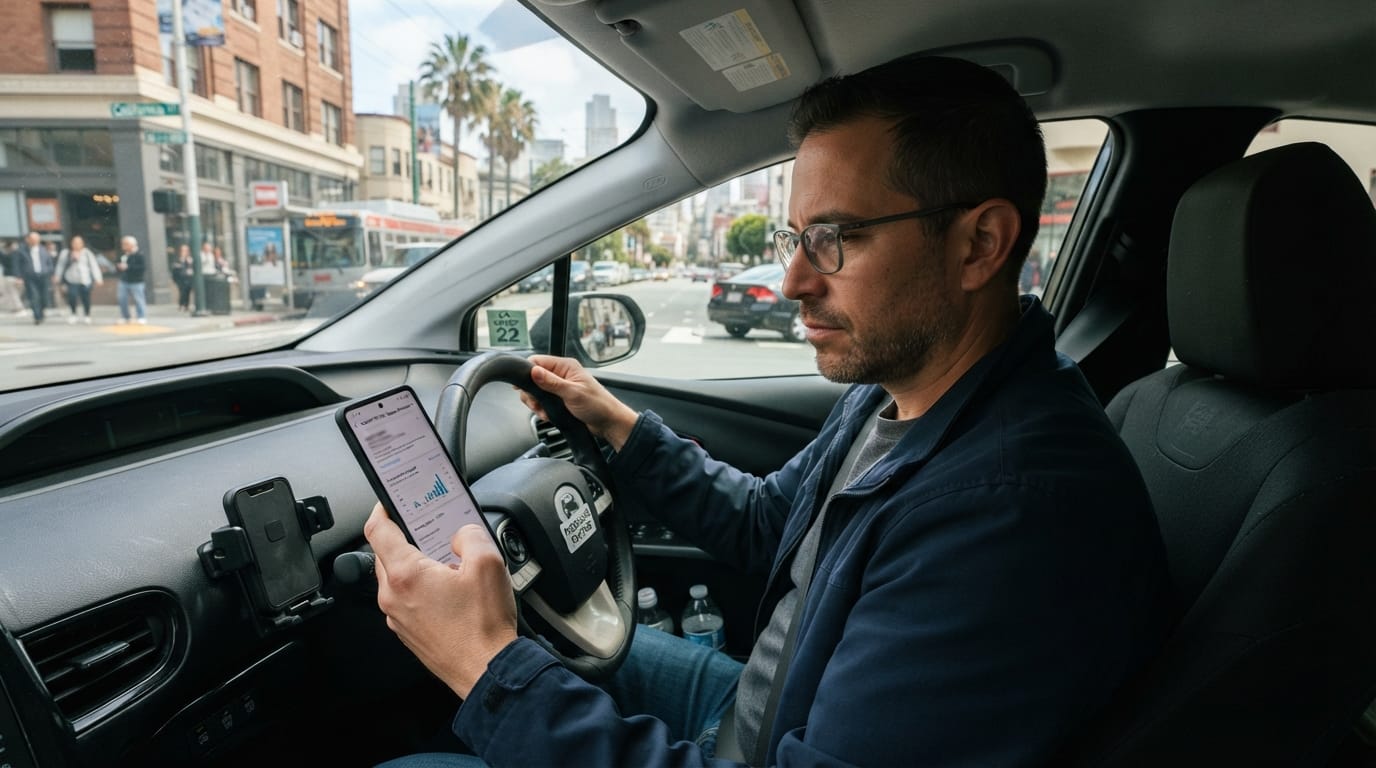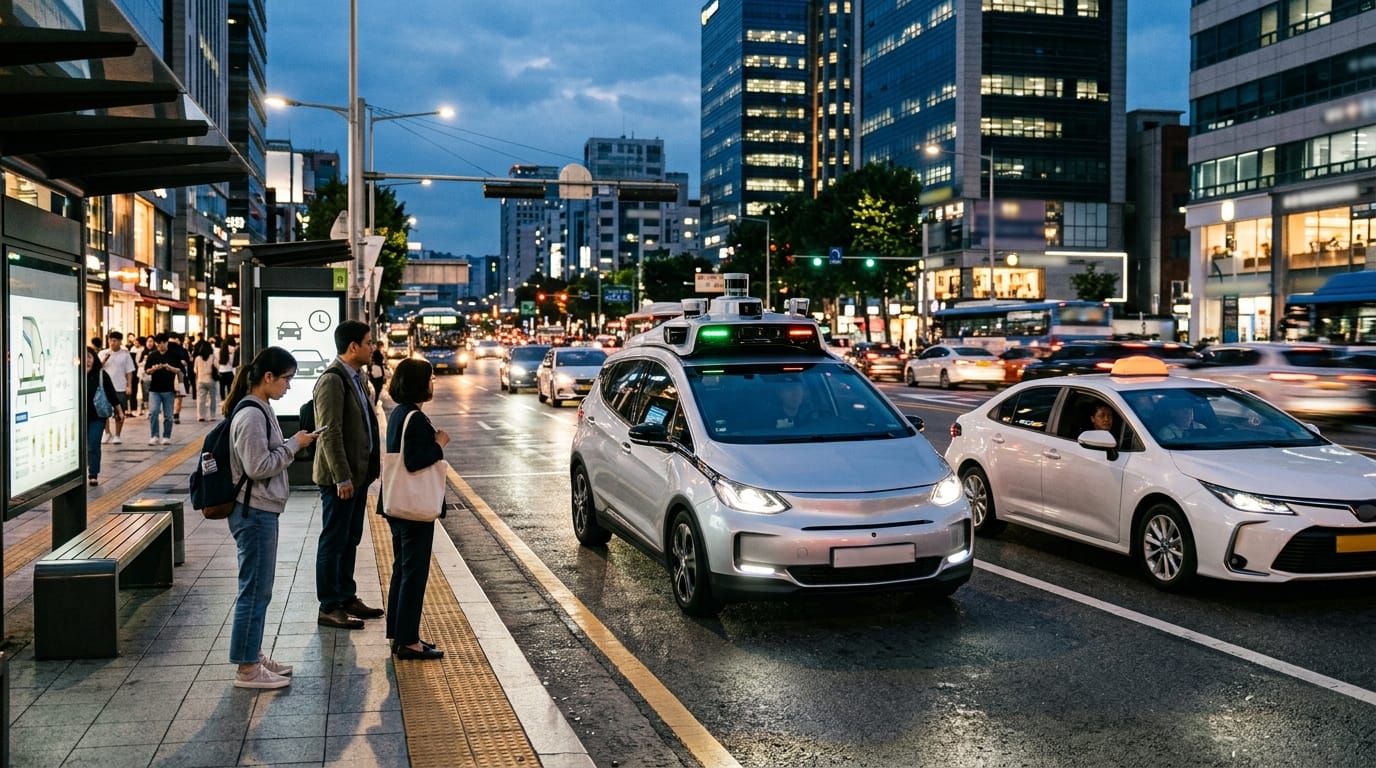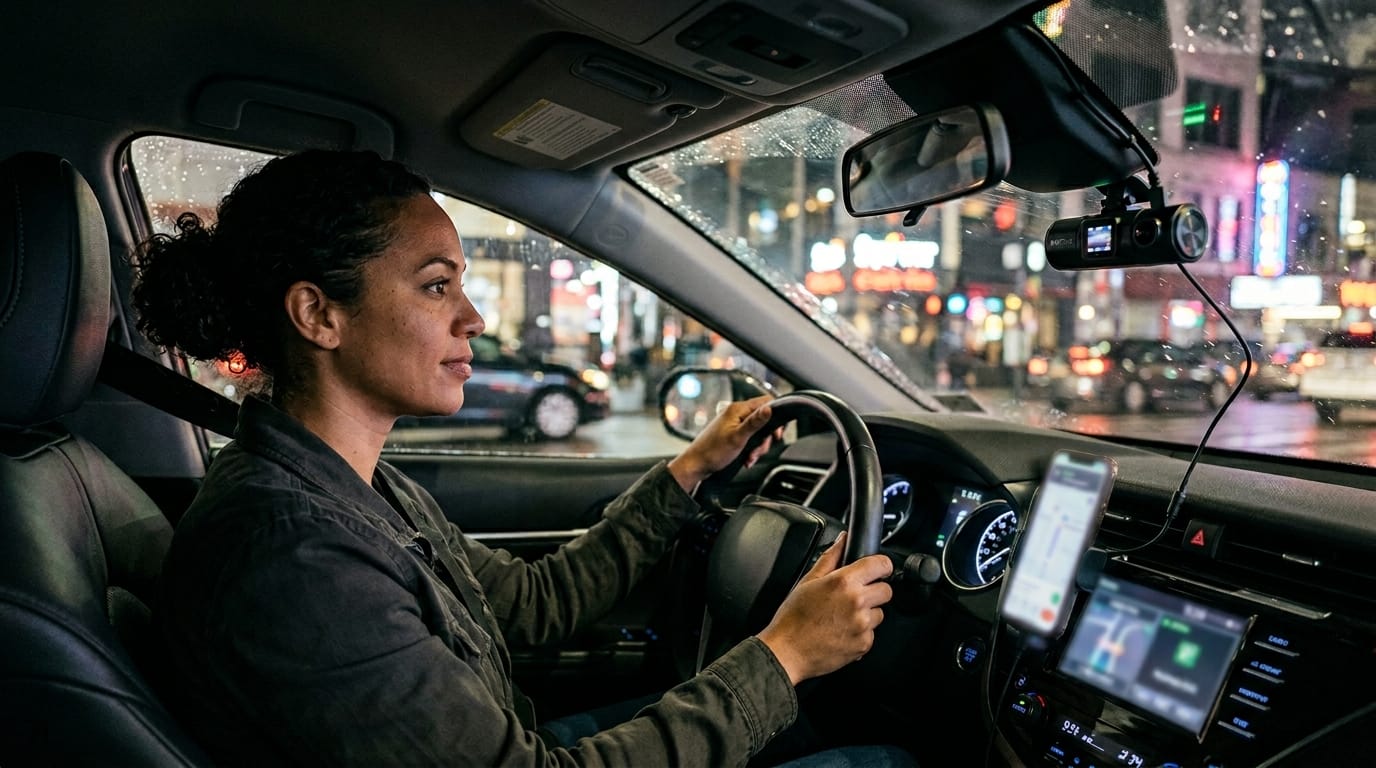
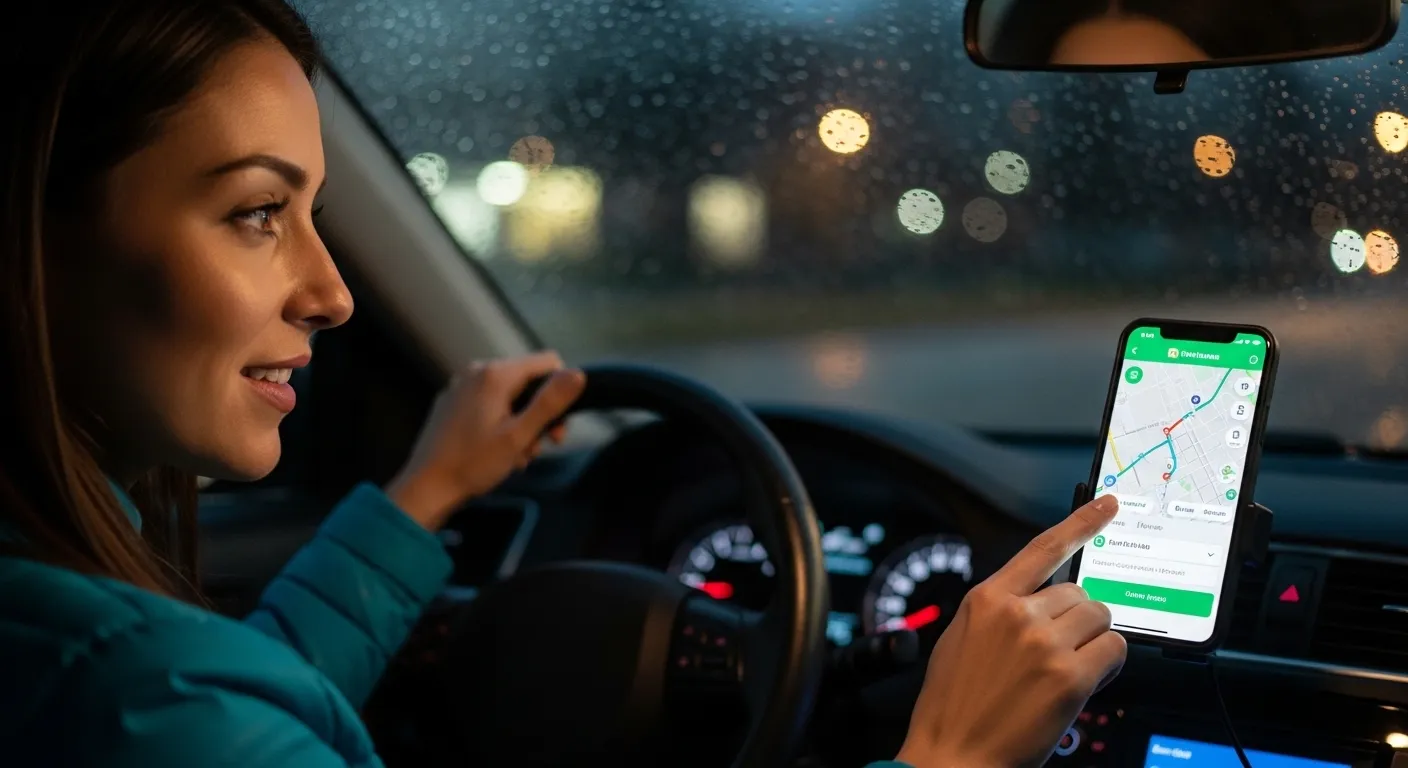
Uber Women Preferences is one of the biggest rideshare updates of 2026, and it matters for both drivers and riders. What started as a limited rollout has become a bigger conversation about comfort, safety, flexibility, and how rideshare platforms may evolve next. If you use Uber regularly, or if you drive for the platform, this is not a small app update.
At its core, Uber Women Preferences gives women riders more ways to try to match with women drivers, while also giving women drivers more control over the types of trip requests they receive. For riders, it adds another layer of choice. For drivers, it can change who they pick up and when they feel comfortable going online. For the industry, it shows that safety and personalization are becoming core parts of the rideshare experience.
To get a wider view of where the industry is heading, keep an eye on our upcoming guide to Uber robotaxis in Las Vegas and our breakdown of Lyft’s 2026 gas relief program.
What Is Uber Women Preferences?
Uber Women Preferences is a feature designed to give women more control over ride matching. Women riders can increase their chances of getting a woman driver, and women drivers can choose to receive more ride requests from women riders. The goal is not to guarantee every match, but to create more choice inside the app.
That distinction matters. Many people see the headline and assume the feature means automatic women-only matching every time. That is not how it works. Availability still depends on how many women drivers are online, where they are located, and what time the request is made. In busy markets, the feature may feel practical. In quieter areas or late at night, wait times may still be longer than a rider wants.
Why Uber Women Preferences Is Trending Right Now

This feature is trending because rideshare users are no longer satisfied with the old model of opening an app, requesting a car, and accepting whatever happens next. Riders want more transparency. Drivers want more control. Platforms want to show they are listening. Uber Women Preferences sits right in the middle of all three pressures.
It is also trending because it touches a subject that never leaves the public conversation: safety. Rideshare companies have spent years adding identity checks, reporting tools, and in-app safety features. But many users still judge a platform based on one simple question: do I feel comfortable using it? That is why this feature is bigger than a settings toggle. It is part of a broader attempt to make riders and drivers feel more confident before a trip even begins.
What Riders Should Expect
For riders, the biggest benefit of Uber Women Preferences is obvious: more comfort and more control. Some riders will use it for everyday trips. Others may rely on it more for early-morning airport runs, late-night rides home, or travel in unfamiliar areas. It gives women riders another way to personalize the app based on what matters most to them.
That said, expectations need to stay realistic. A preference is not the same as a promise. In some places, there may not be enough women drivers nearby to make the match happen quickly. If time matters more than preference, riders may still choose the faster option. That trade-off will likely define how often people use the feature in real life.
Riders should still use basic safety habits. Check the plate, confirm the driver details, verify the car before getting in, and share trip information when needed. No single feature replaces smart rideshare behavior. What Uber Women Preferences does is add another layer of decision-making before the trip starts.
What Drivers Should Know
For women drivers, this feature could be meaningful in a very practical way. It gives them more say over the kinds of rides they want to take, which may make some driving hours feel more comfortable and sustainable. That matters because driver retention is one of the most important issues in rideshare. If a platform wants more women behind the wheel, it has to offer tools that feel usable.
Uber Women Preferences may also affect driving strategy. Some drivers may turn the feature on during certain shifts and off during others. A driver might prefer to use it on weekend nights, during school commute windows, or while working in a downtown zone. Others may leave it on most of the time if it helps them feel more comfortable using the platform at all.
Drivers should also think in terms of expectations and earnings. A more filtered trip stream can feel better, but it may not always mean faster matching. The right strategy will depend on market size, rider demand, and how many eligible matches are available nearby. Drivers who understand that trade-off early will make better decisions than those who assume the feature automatically improves every shift.
The Real Benefits of Uber Women Preferences
The strongest argument for Uber Women Preferences is not that it solves every rideshare safety concern. It does not. The stronger argument is that it recognizes a clear user need and responds with a tool that gives people more agency. People are more likely to keep using a service when they feel they can shape the experience instead of just reacting to it.
There is also a brand-level benefit here. In a competitive market, product changes that make users feel heard can matter as much as discounts and promotions. Riders remember whether a company makes them feel comfortable. Drivers remember whether a company builds with their real concerns in mind.
The Limits and the Pushback
No serious take on Uber Women Preferences should pretend the rollout is free from complications. The first limit is scale. If the number of women drivers in a given market is low, the feature will naturally be constrained. That means the user experience may vary sharply by city, time of day, and demand conditions.
The second limit is legal and cultural pushback. Features built around gender can quickly draw debate, even when they are introduced in response to safety concerns. That means Uber Women Preferences will continue to be discussed not just as a product update, but as a policy and platform issue.
What This Means for the Future of Rideshare

Uber Women Preferences points toward a bigger shift in the rideshare industry: platforms are becoming more personalized. In the early years, the main selling points were convenience and speed. Now users want convenience, but they also want customization, transparency, and confidence. That is where rideshare apps are heading.
Do not be surprised if the next wave of competition focuses even more on rider controls, driver filters, verification tools, accessibility improvements, and features that help users decide what kind of trip they want before they book it. We are already seeing that pressure show up in safety-focused updates, driver support announcements, and service-access policies across the industry.
To understand where the competition may go next, read the official Uber announcement about the feature here: Women Preferences Expands Nationwide.
Final Thoughts
Uber Women Preferences is not a gimmick. It is a signal. It shows where rideshare is going and what users now expect from major platforms. The feature gives women riders more choice, gives women drivers more control, and pushes the broader industry toward a more personalized version of app-based transportation.
Will it work perfectly in every market? No. Will it matter anyway? Yes. In rideshare, the features that reshape user behavior are often the ones that make the experience feel more human. Uber Women Preferences has a real chance to do that, and that is exactly why it is one of the most important rideshare stories to watch in 2026.