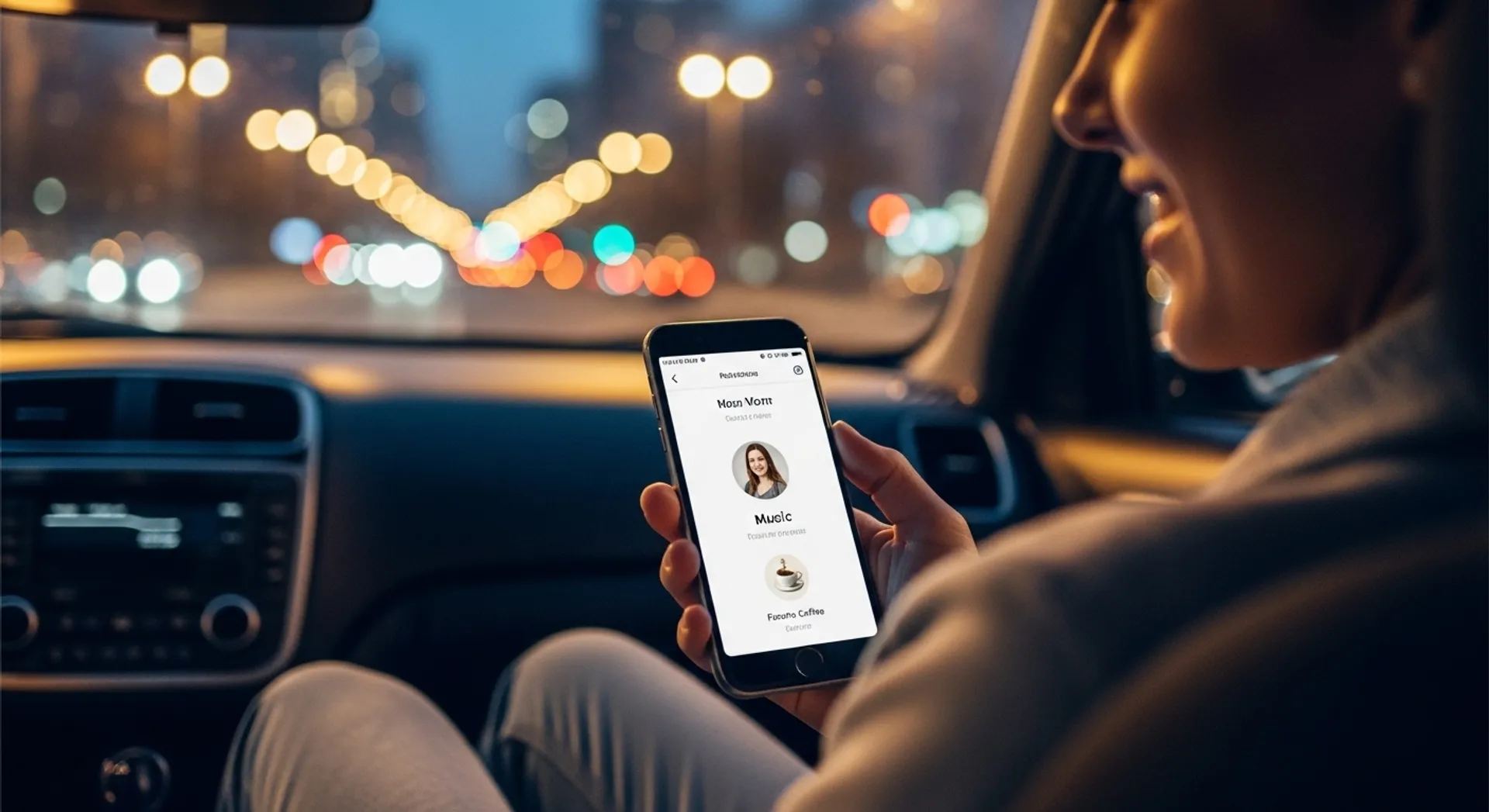
Personalized matching in rideshare is becoming one of the most important shifts in the industry because the old model is starting to look too simple for what riders and drivers now expect. For years, rideshare apps mostly worked on one basic promise: tap a button, get the nearest available car, and go. That model scaled fast because it was easy. But easy is no longer enough on its own.
In 2026, riders want more control, more comfort, and more confidence before a trip begins. Drivers want more say over the kinds of trips they accept and the way they use the app. Platforms, in turn, are realizing that the next layer of competition is not just price or speed. It is experience. That is exactly why personalized matching in rideshare matters right now.
If you are following the bigger changes across the industry, read our earlier posts on Uber Women Preferences in 2026, Lyft’s service animal settlement, Uber and Motional’s robotaxi launch in Las Vegas, and Uber vs Lyft for drivers in 2026. Together, those stories show the same larger pattern: rideshare is moving away from one-size-fits-all matching and toward more specific, user-shaped trip experiences.
What personalized matching in rideshare really means
Personalized matching in rideshare means the app is no longer only deciding who gets the closest driver. It means the platform is starting to consider more context, more preferences, and more user control when creating a match. In simple terms, it is the difference between “here is your ride” and “here is the kind of ride you are more likely to want.”
That distinction matters because not every rider wants the same thing, and not every driver wants the same kind of trip. Some people want more comfort. Some want more predictability. Some want a match that feels safer. Some want a specific vehicle type. Some are open to new technology like robotaxis. Others are not. Personalized matching gives platforms a way to turn those differences into product features instead of ignoring them.
Why 2026 feels like the turning point
The reason this feels bigger now is that personalization is no longer hidden behind vague product language. It is visible in live app features. Women riders can now request women drivers more easily on Uber in the United States. Women and nonbinary riders and drivers can use Women+ Connect on Lyft. In Las Vegas, riders can even boost their chances of being matched with a robotaxi through an app preference. This is not theory anymore. It is the early shape of a new matching model.
That matters because behavior changes once preferences feel normal
As soon as users get used to choosing how they want to be matched, they stop seeing the old default system as good enough. What once felt like a luxury starts to feel like a baseline expectation.
And expectations are what reshape platforms
The platforms that adapt to those expectations fastest usually gain the strongest long-term advantage.
How personalized matching in rideshare is already showing up
The most visible example is women-focused matching. Uber’s Women Preferences now lets women riders request women drivers on demand, reserve in advance, or set a preference in the app. Women drivers can also toggle a preference to receive trip requests from women riders. Lyft’s Women+ Connect follows a similar pattern by helping women and nonbinary drivers and riders match more often.
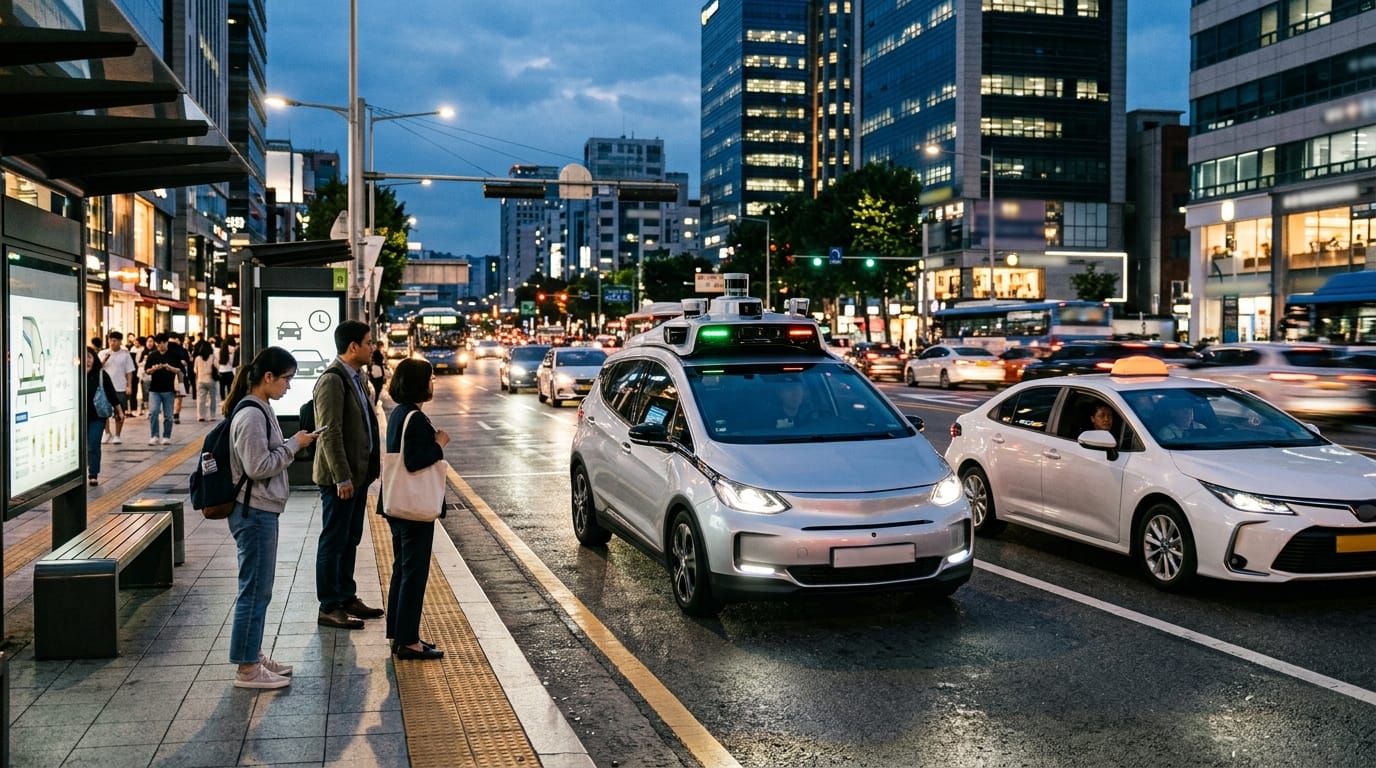
Another clear example is technology preference. In Las Vegas, Uber now allows riders to opt in through Ride Preferences if they want a better chance of being matched with a Motional robotaxi. That may sound very different from gender-based preferences, but the product logic is actually similar. The platform is learning that people do not all want the exact same trip. Some want familiarity. Some want experimentation. Some want more control over what kind of ride arrives.
Even family and teen use cases point in the same direction
Uber has also said that, in cities where teen accounts are available, teens and their guardians can request women drivers for both on-demand and reserved trips. That matters because it shows personalization is not only about convenience. It is also about trust and family decision-making.
That is the deeper pattern
Once a platform starts matching based on comfort, identity, or trust signals, it begins moving beyond pure logistics and into experience design.
That shift is bigger than any single feature
The real story is not one preference toggle. The real story is that the matching engine itself is becoming more selective and more human-centered.
Why riders are pushing this change
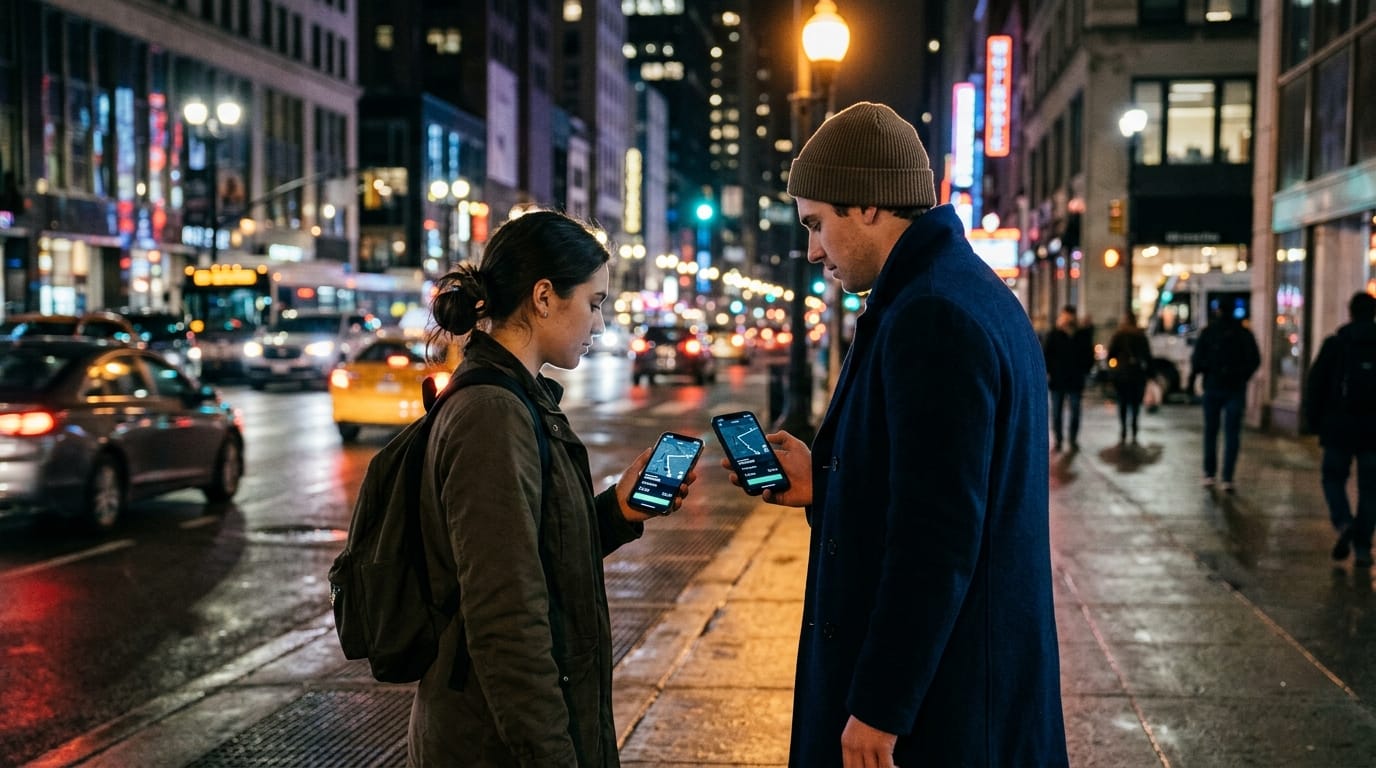
Riders are pushing personalized matching in rideshare because transportation is personal in ways tech companies used to underestimate. A trip home at midnight does not feel the same as a ride to brunch. A teenager’s airport pickup does not feel the same as a tourist trying a robotaxi in Las Vegas. A rider traveling alone may value a different kind of match than someone commuting in daylight every day.
That is why personalization keeps growing. Riders want the ability to shape the trip before it starts instead of reacting to it after the car arrives. Choice itself becomes part of the product. That does not mean every preference must be guaranteed. It means the platform is finally recognizing that rider comfort and control influence whether a trip feels acceptable in the first place.
Comfort is now part of the value proposition
For a long time, rideshare sold convenience. Now it increasingly sells convenience plus control. That is a more mature product promise, and it fits what users expect from modern apps in general.
People compare apps by how they make them feel
Price still matters, but comfort, trust, and user control now shape loyalty too. A platform that feels more aligned with a rider’s needs can win even without being the absolute cheapest every time.
That is why personalization is not just a niche feature
It is becoming part of the mainstream competition for rider loyalty.
Why drivers may benefit too
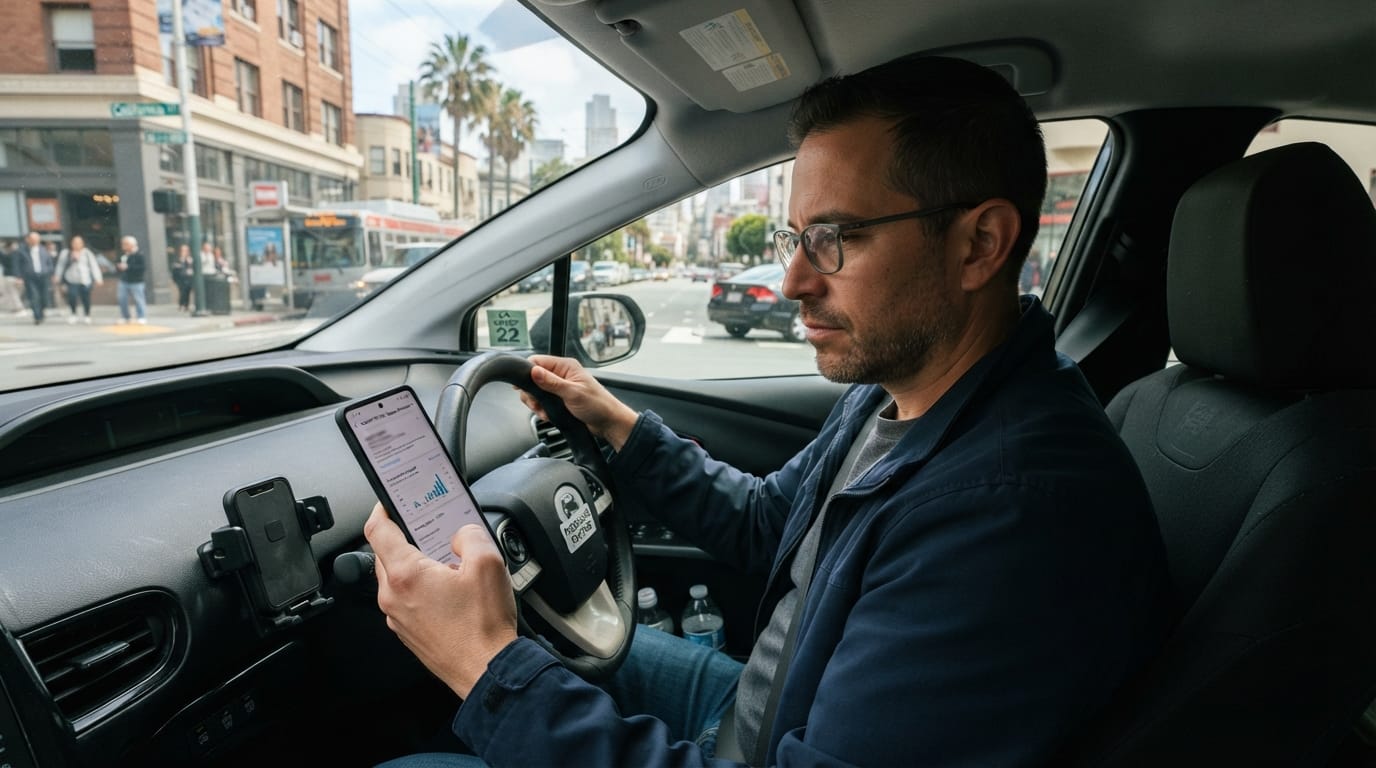
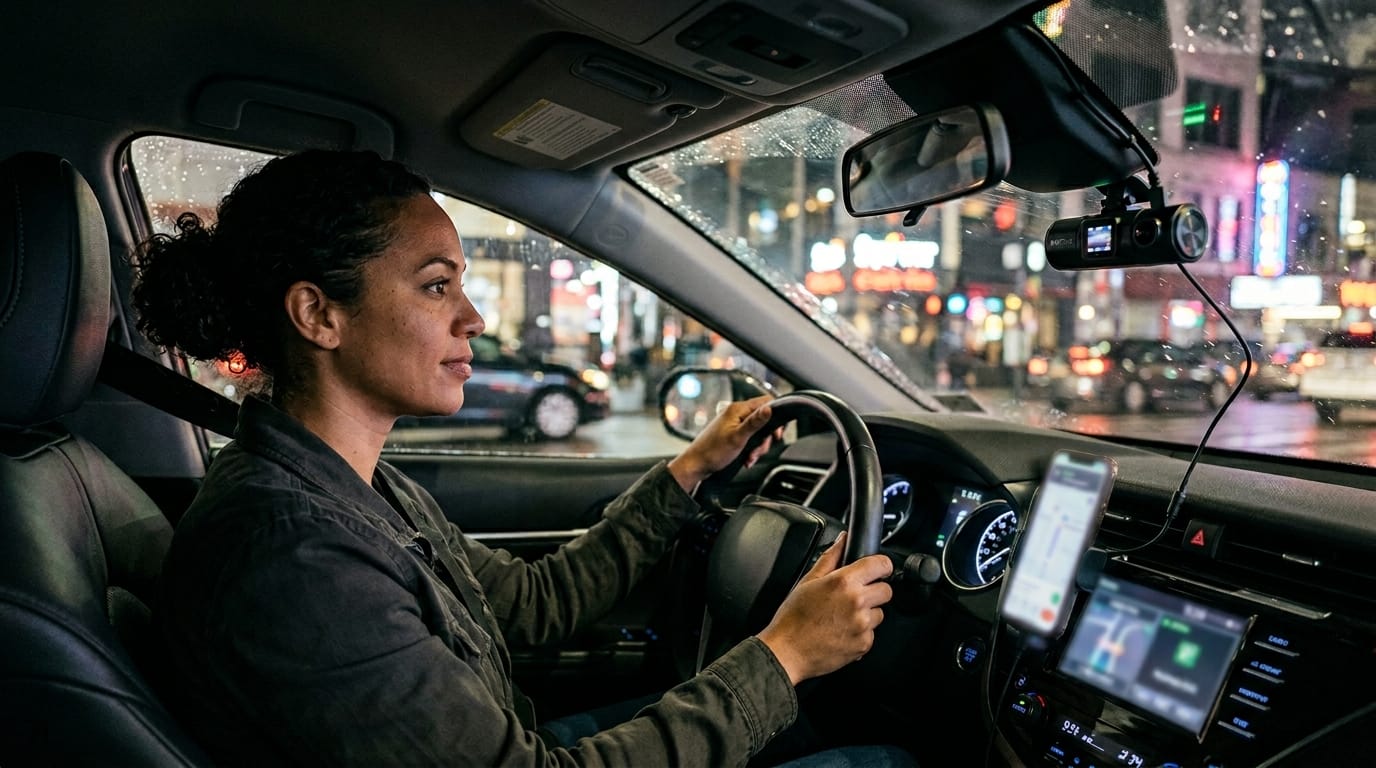
Personalized matching in rideshare is not only for riders. Drivers can benefit when they get more say over the trips they are likely to receive. Women-focused matching is the clearest current example, because it gives some drivers more control over the kinds of interactions they have on the platform. That can make certain shifts feel more comfortable and more sustainable.
This matters because driver retention is tied closely to control. When drivers feel the app is forcing random outcomes on them, the work feels more draining. When the platform gives them more ways to shape how they earn, it becomes easier to keep driving consistently.
Better matching can improve more than safety
It can also reduce friction, improve satisfaction, and help drivers choose shifts that feel more workable. The more the app reflects how a driver actually wants to use it, the more likely that driver is to stay engaged.
That does not mean every preference is purely positive
There are still trade-offs. More selective matching can mean fewer eligible trips in some moments, longer waits in some markets, or uneven performance depending on the size of the local driver pool.
But more control still has real value
Even when a preference is not guaranteed, many drivers will still see value in having the option.
The limits and risks of personalized matching in rideshare
No serious take on this trend should pretend personalization solves everything. First, it depends heavily on supply. A preference only works smoothly when enough matching drivers are nearby. Second, users can easily misunderstand the word “preference” and assume it means certainty. In reality, most of these systems increase the chance of a preferred match rather than guarantee it.
There is also a broader policy question. As matching becomes more personalized, platforms will face more scrutiny over fairness, legal boundaries, and how different user groups are treated. That does not mean personalization stops. It means the companies building these features will need to explain them more carefully and enforce them more consistently.
Personalization creates higher expectations
Once people see that a platform can match more selectively, they start asking why other needs are not handled as well. That pushes the app into more complicated territory.
And complicated products need clearer rules
The more personalized a system becomes, the more important transparency, communication, and support become. Otherwise users end up confused about what the app is really promising.
That is where execution matters most
A smart idea can still fail if the app experience feels misleading, inconsistent, or too limited in real-world use.
What this could mean for the future of rideshare
The likely future is not that every rider builds a fully customized trip profile tomorrow. The more realistic future is that personalized matching in rideshare expands step by step into the areas where control matters most. That may include comfort-based matching, family-oriented preferences, technology opt-ins, more context-aware scheduling, and better matching around accessibility and rider needs.
This is an inference from the way current products are evolving. Once platforms learn that users respond well to more tailored matching, they have a reason to keep building in that direction. The app stops being only a dispatch tool and starts becoming a trip-curation tool.
That changes how we should think about rideshare
The original rideshare model was mostly transactional. The future version looks more adaptive. It still moves people from one place to another, but it increasingly does so in a way that tries to match the trip to the person, not just the location.
That may be the next real platform battle
Not just who has the most drivers. Not just who is cheapest. But who gives riders and drivers the most useful kind of control without making the app confusing or slow.
And that is why this trend matters now
Because personalized matching in rideshare is no longer a side feature. It is becoming a real strategy for how platforms compete, retain users, and define the next generation of app-based transportation.
Final thoughts
Personalized matching in rideshare could change the future of the industry because it reflects a simple truth: people do not all want the same ride. Some want more comfort. Some want more control. Some want more trust. Some want a new technology experience. Platforms that recognize those differences and build around them are likely to shape what rideshare becomes next.
The old “nearest available car” model is not disappearing overnight. It is still the foundation. But the direction is clear. The future of rideshare looks less generic, more selective, and more responsive to who the rider or driver actually is. That is why personalized matching is not just an interesting trend. It is one of the clearest signals of where rideshare is heading.
For Uber’s official overview of Women Preferences, see Uber’s Women Preferences announcement.