Uber vs Lyft for drivers in 2026 is still one of the most practical questions in the rideshare world, but the answer is no longer as simple as “use whichever app gives you more rides.” Both platforms have matured. Both now offer more driver tools, more earnings levers, more scheduling features, and more safety controls than they did a few years ago. The real difference is in how those tools are packaged and what kind of driver each app now seems built for.
If you are a new driver, the question is which platform gives you the cleanest path to stable income and less wasted time. If you already drive, the better question is which app fits your style. Some drivers care most about transparency. Others care about flexibility. Some want better scheduling. Some want better filters. Some want more ways to stack rewards and optimize a shift. In 2026, that distinction matters more than ever.
If you are following our broader rideshare series, start with Lyft’s gas relief program in 2026, the best rideshare safety features in 2026, and Uber Women Preferences in 2026. Those stories help explain why this comparison is not just about pay. It is also about control, safety, driver confidence, and how each company is shaping the future of the platform.
What changed in 2026?
The reason Uber vs Lyft for drivers in 2026 feels different is that both companies are now competing more aggressively on driver experience instead of relying only on basic trip volume. Uber has leaned harder into status-based rewards, extra earnings perks, Reserve opportunities, airport priority, trip filters, and driver-focused flexibility for higher tiers. Lyft has kept pushing transparency, weekly earnings protection, scheduled-ride access through Rewards, improved filters, and clearer communication around what drivers are paid and why.
That means the gap between the two is no longer just about which brand is bigger in a given city. It is about what kind of system you want to work inside. One app gives you more levers to optimize. The other does a better job of making earnings feel easier to read and less chaotic from week to week.
Why that matters more than brand loyalty

Too many drivers still talk about Uber and Lyft as if one app is universally better in every market. That is lazy thinking. The smarter view is that each platform is now solving a slightly different driver problem. Uber is building a more layered system that rewards active optimization. Lyft is building a driver experience that tries to feel more understandable and more predictable.
The result is a real split in driver strategy
If you love squeezing every possible advantage out of an app, Uber may fit you better. If you want cleaner upfront pay logic and a clearer earnings floor, Lyft may feel better day to day.
That is why most drivers should stop asking for one universal winner
The better question is not “Which app wins?” The better question is “Which app helps me earn better in the way I actually work?”
Why Uber may make more sense for some drivers
Uber’s strongest case in 2026 is feature depth. The company has clearly decided that driver retention depends on giving higher-performing drivers more reasons to stay engaged. The reworked Uber Pro program is the clearest example. Gold-tier drivers and above can unlock earnings perks, priority access to certain trip requests, and better airport matching. Platinum adds more flexibility around destination use and more Reserve opportunities, which matters for drivers who plan their day around specific windows instead of taking random requests nonstop.
Uber also has a few quality-of-life advantages that should not be ignored. Destination filtering remains useful for controlling dead miles at the start or end of a shift. Reserve trips can help drivers build around known pickups rather than relying completely on live demand. And Uber has also increased wait-time fee earnings, which matters in the real world because delayed pickups are one of the easiest ways for driver time to get wasted.
Where Uber feels stronger
Uber feels stronger for drivers who actively manage their status, target airports, want more scheduled-trip opportunities, or prefer an app with multiple ways to optimize income. It also has a meaningful angle for women drivers through Women Preferences, which lets women drivers increase their chances of matching with women riders. That adds a practical layer of control that some drivers will value more than any small difference in per-trip economics.
Who should lean Uber
Drivers who work busy airport markets, like building a shift around scheduled rides, use destination filters carefully, or are willing to play the tier game should give Uber serious weight. If you treat driving like an optimization problem, Uber usually gives you more knobs to turn.
The downside of Uber’s approach
The downside is that Uber can feel more complex. The more an app relies on tiers, perks, status, and selective rewards, the more some drivers will feel they are being pushed to “play the system” instead of simply drive. If you do not like that kind of setup, Uber may feel powerful but unnecessarily busy.
Why Lyft may make more sense for other drivers
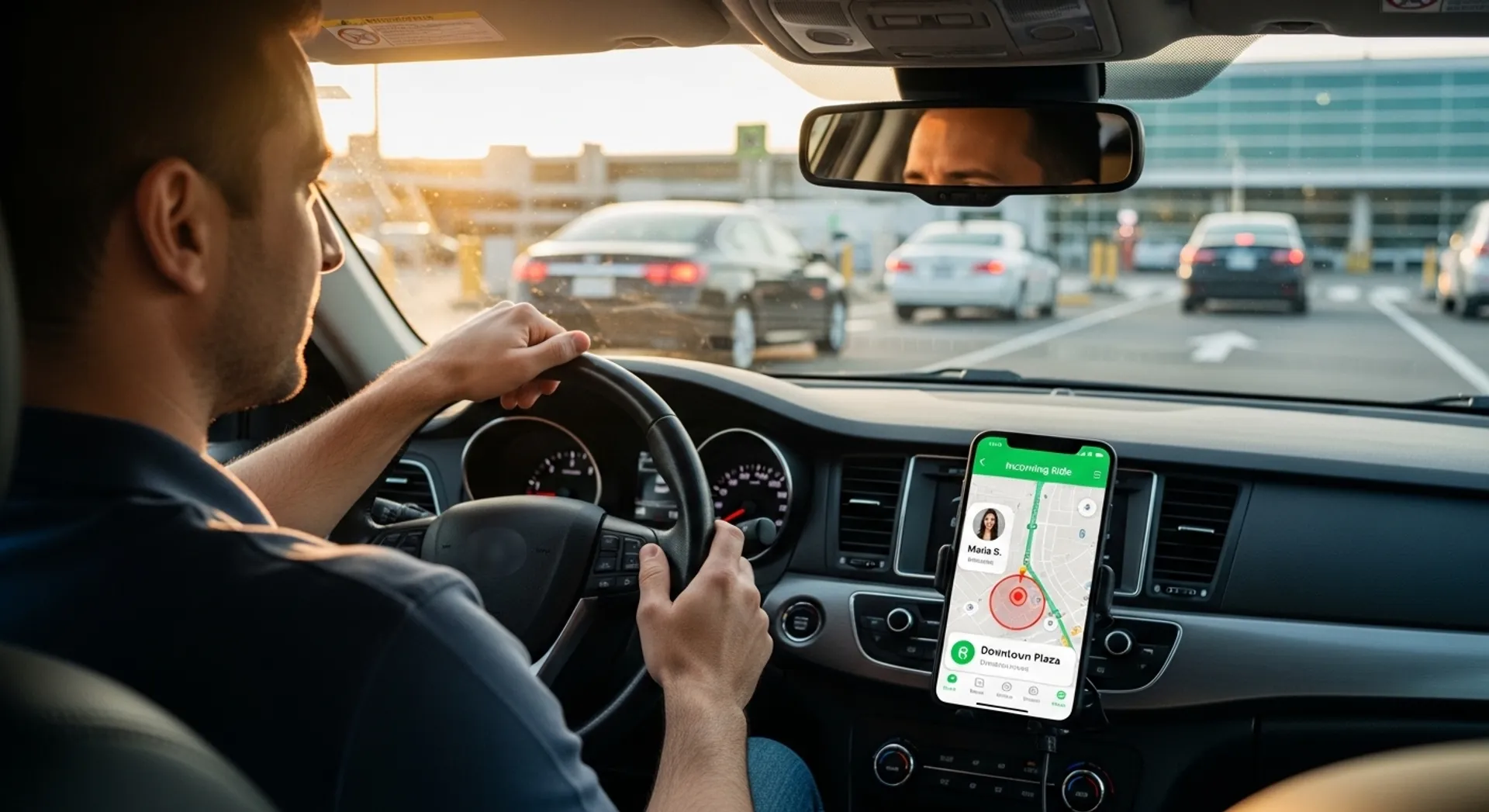
Lyft’s strongest case in 2026 is clarity. The company has spent the past two years leaning hard into pay transparency and driver communication. It publicly promotes a weekly earnings commitment that guarantees drivers at least 70% of passenger payments after external fees. It also continues to highlight upfront pay, estimated dollar-per-hour visibility on rides, and scheduling advantages through Lyft Rewards. That combination makes Lyft feel easier to understand, even when market conditions are messy.
Lyft also deserves credit for trying to reduce the feeling of “mystery pay.” Many drivers get frustrated not only by what they earn, but by how hard it can be to understand why one ride was worth taking and another was not. Lyft’s messaging and product updates suggest it understands that frustration better than most platforms do.
Where Lyft feels stronger
Lyft feels stronger for drivers who want a simpler mental model. If you care about seeing what a trip pays upfront, reading estimated hourly value quickly, using ride filters to stay within a preferred area, or building around scheduled rides without overcomplicating the process, Lyft has a strong case. Women and nonbinary drivers may also prefer Lyft’s Women+ Connect feature, which helps prioritize more matches with women and nonbinary riders.
Who should lean Lyft
Drivers who hate ambiguity, prefer cleaner pay communication, want a weekly protection floor, or value a less gamified experience should look hard at Lyft. The platform also makes a lot of sense for part-time drivers who do not want to chase an elaborate status ladder just to feel they are getting the best version of the app.
The downside of Lyft’s approach
The downside is that simplicity can sometimes mean fewer earning levers. Lyft may feel cleaner, but some drivers will still prefer Uber’s deeper stack of optimization tools, especially in markets where airport strategy, Reserve access, or app-based perks make a visible difference.
Which app is better for earnings?
This is the hardest part of the Uber vs Lyft for drivers 2026 debate, because pure earnings always depend on your city, your hours, your vehicle, your trip mix, and how disciplined you are. There is no honest national answer that works for everyone. What can be said clearly is this: Lyft currently offers the stronger headline around earnings protection, while Uber offers more individual levers that may help strong drivers outperform if they know how to use them well.
So if you want downside protection, Lyft is easier to argue for. If you want upside through optimization, Uber is easier to argue for. That is the real split.
Why driver style matters more than app slogans
A driver who works strategically around airports, scheduled rides, destination use, and tier perks may earn better on Uber. A driver who wants cleaner decision-making and clearer pay visibility may perform better on Lyft because they waste less time second-guessing bad trips.
There is no “best” app without context
The app that pays more for one driver can easily pay less for another. The driver’s habits often matter as much as the platform itself.
That is why testing beats debating
The smartest move is not to argue in theory forever. It is to compare actual outcomes over a few weeks using the same hours and zones.
The best approach for most drivers
For most drivers, the real answer is still both apps. That is an inference from the way the two platforms now differ. Uber gives you more ways to optimize. Lyft gives you more clarity and a stronger earnings-protection story. Running both lets you use each platform for what it does best instead of pretending one app must handle every situation perfectly.
That does not mean mindlessly multi-apping every minute. It means being strategic. Use Uber when Reserve trips, airport positioning, destination planning, or tier perks are working in your favor. Use Lyft when the pay card looks cleaner, your ride filters are helping, or the weekly economics look steadier. The point is not loyalty. The point is net earnings with less wasted time and less frustration.
What a practical 2026 driver strategy looks like
Track your take-home pay, not just gross fares. Compare dead miles. Watch wait times. Notice whether scheduled rides are truly helping or just creating stress. Pay attention to safety tools, comfort with rider matching, and whether each app is helping you drive the way you actually want to drive.
The winner is the app that fits your system
If you do not have a system, both apps will feel inconsistent. If you do have one, the strengths and weaknesses become much easier to spot.
Final verdict
If you force me to split them cleanly, Lyft is better for drivers who want transparency and a clearer floor. Uber is better for drivers who want more features, more earning levers, and more ways to shape a shift. For most serious drivers, the smartest answer is not choosing one forever. It is knowing exactly when each one makes more sense.
For Lyft’s current weekly earnings commitment terms, see Lyft’s earnings commitment page.