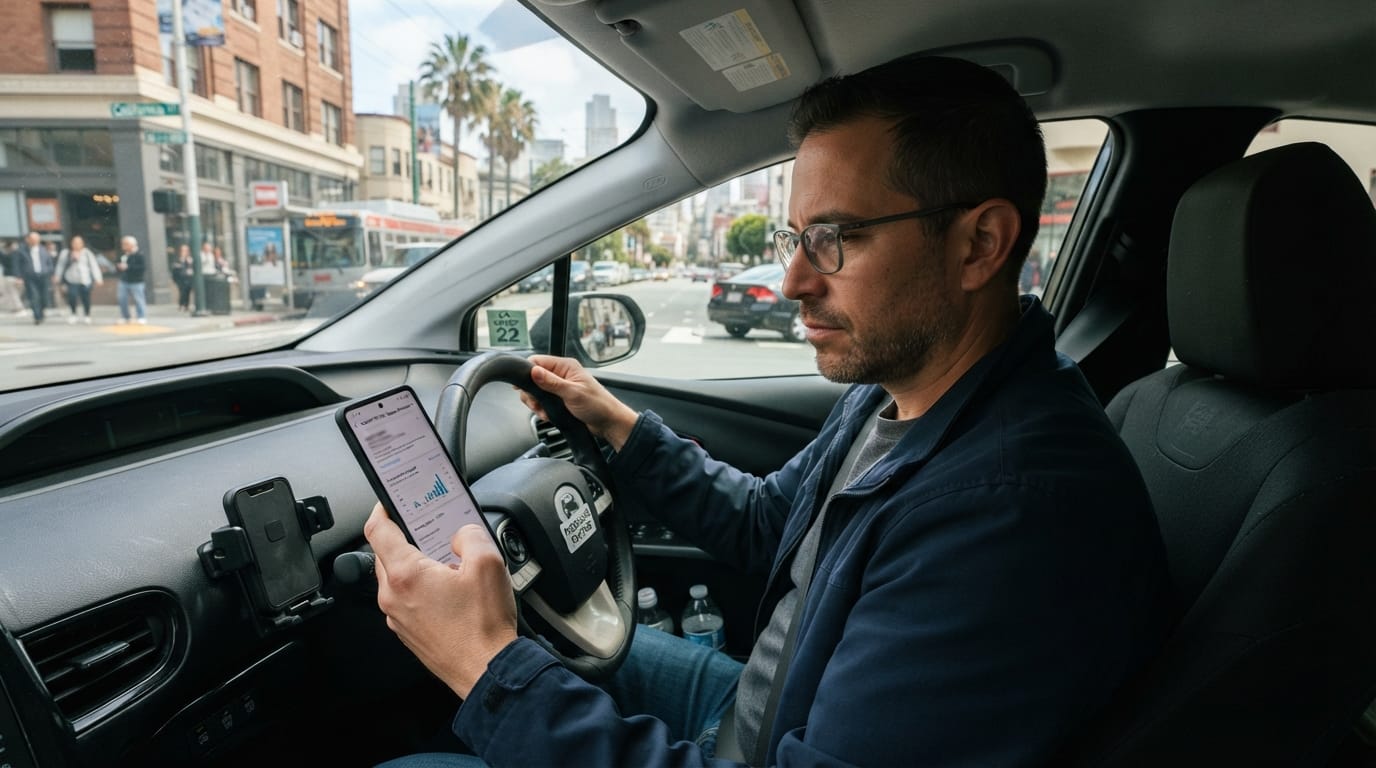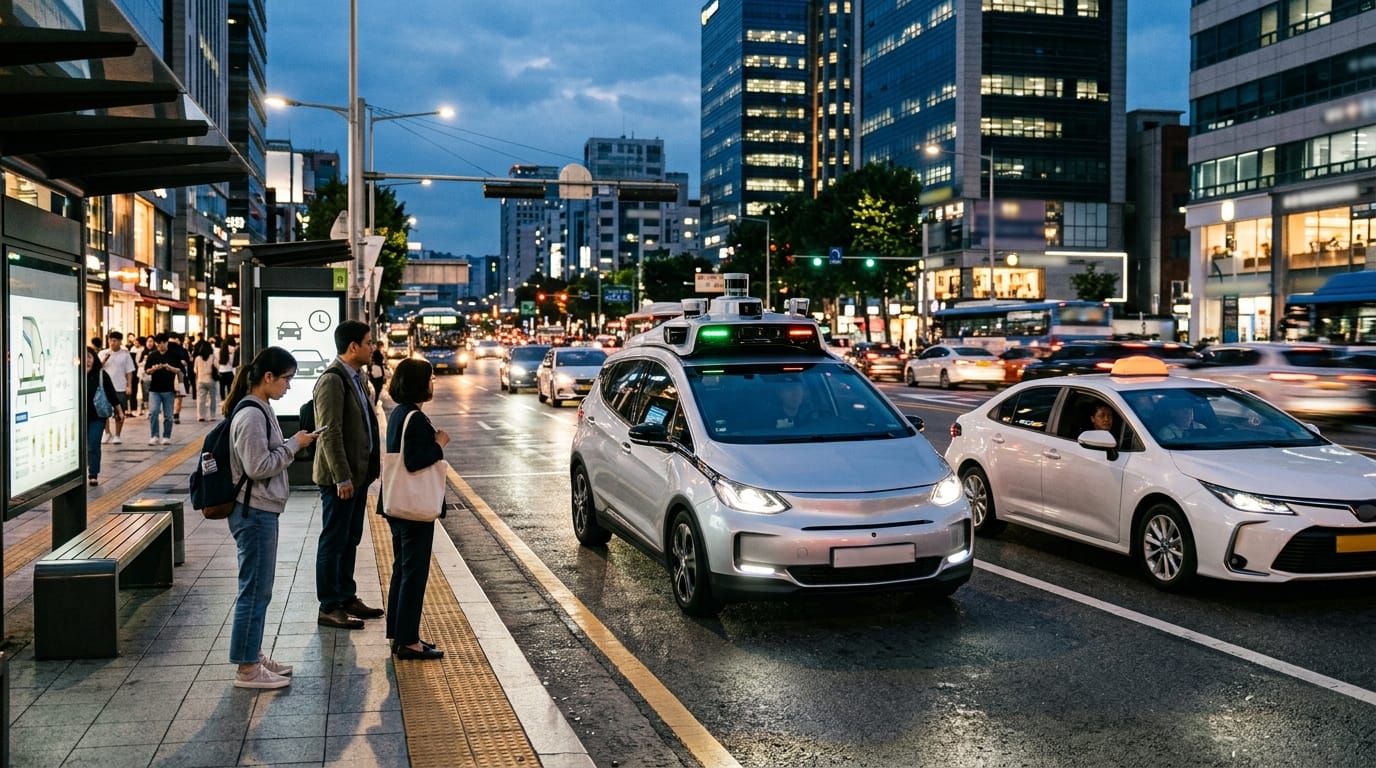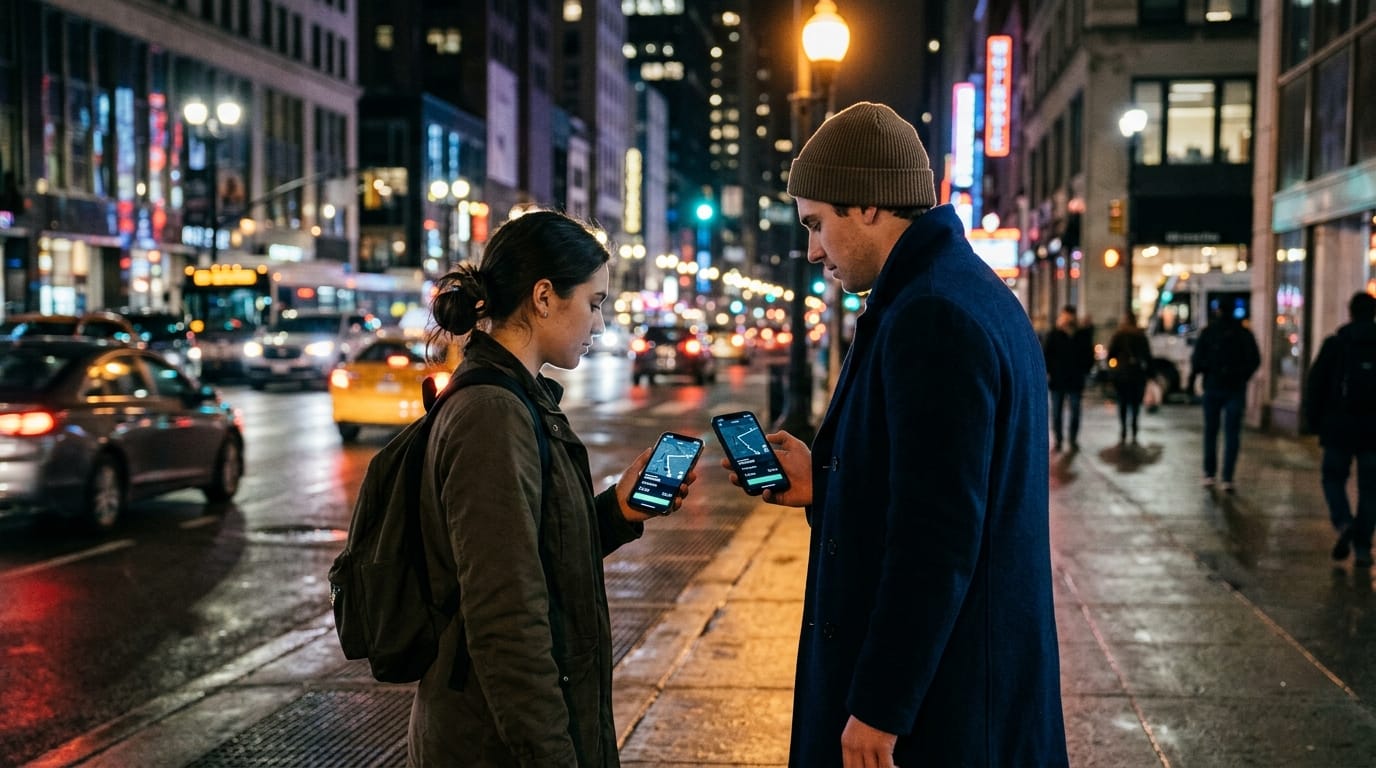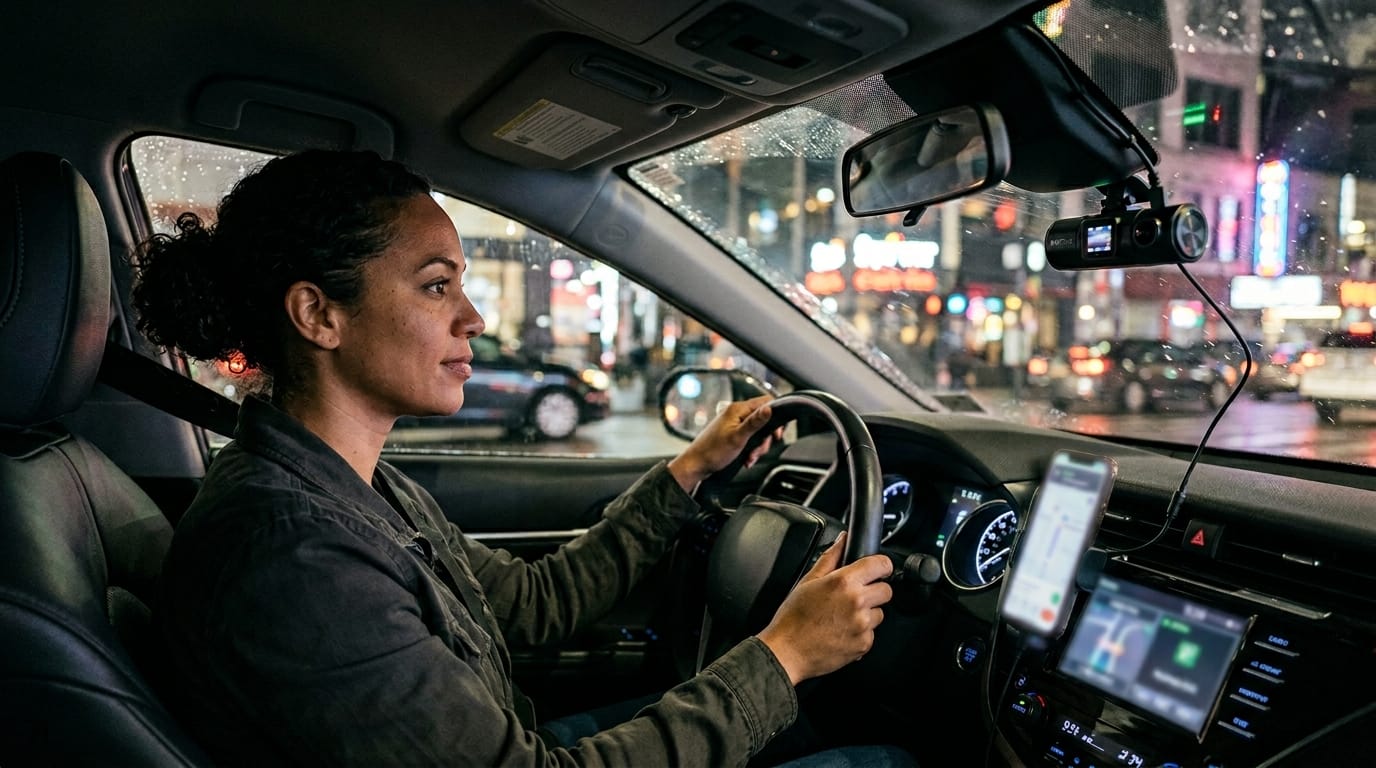
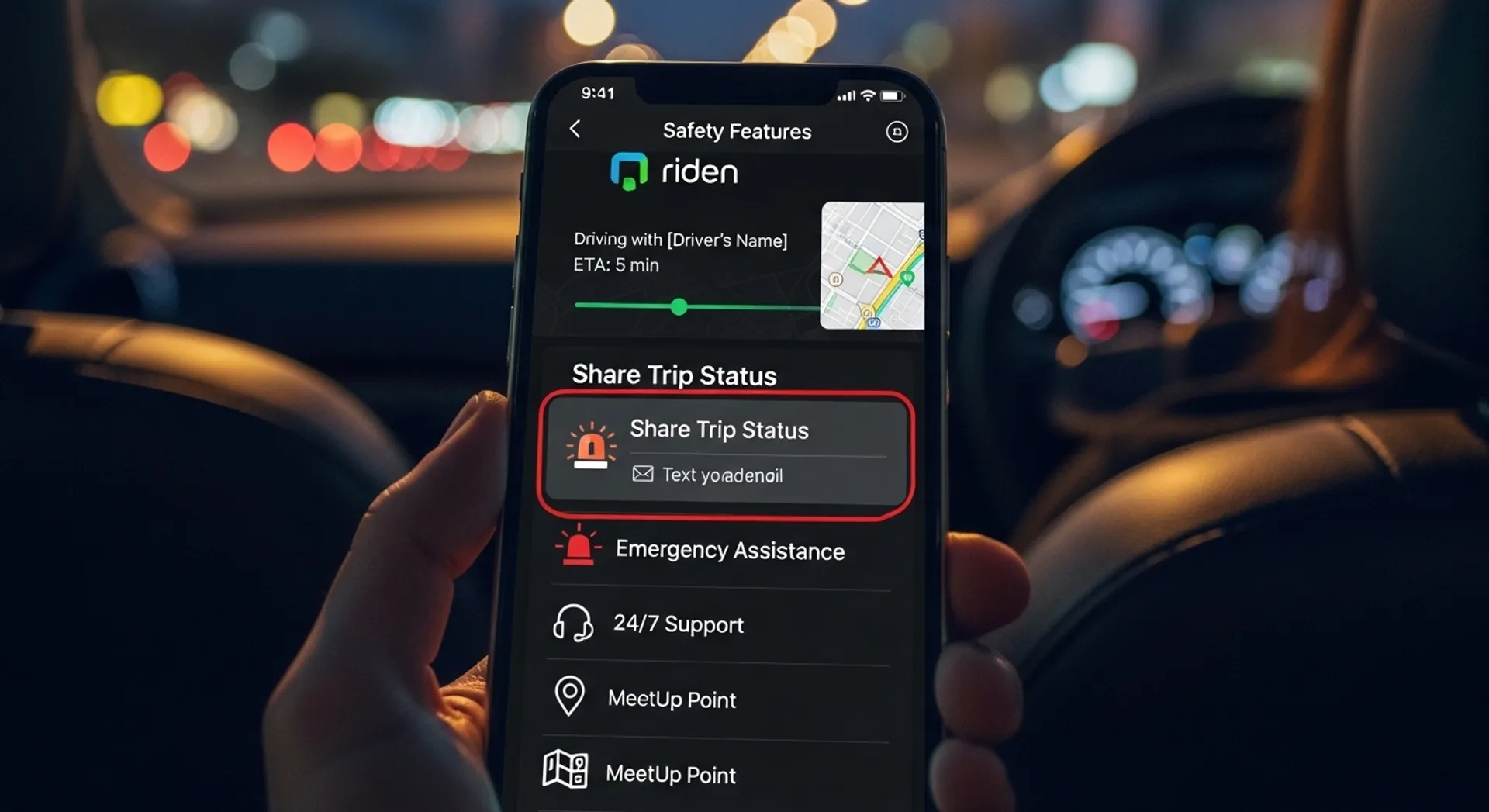
Rideshare safety features in 2026 are better than they were a few years ago, but most people still use only a small fraction of what is available in the app. That is the real problem. Safety tools only matter when riders and drivers know they exist, understand what each one does, and actually turn them on before something goes wrong.
That is why this topic matters. Most rideshare users talk about safety in vague terms. They say they want a safer ride, a safer pickup, or a safer shift. But safer usually comes down to a few specific decisions made before the trip starts and during the ride itself. The difference between a smooth ride and a bad situation often comes down to whether someone verified the car, shared the trip, used a PIN, noticed an unexpected stop, or knew how to get help fast.
If you are following how rideshare is changing, read our earlier posts on Uber Women Preferences in 2026, Lyft’s service animal settlement, and Uber and Motional’s robotaxi launch in Las Vegas. Each one shows the same bigger pattern: platforms are no longer judged only by price and wait time. They are increasingly judged by trust, control, and how seriously they take real-world risk.
What makes a rideshare safety feature actually useful?
A useful safety feature does not just sound reassuring in a press release. It needs to do one of three things well. First, it should help prevent a mistake before the trip begins. Second, it should help detect a problem while the trip is happening. Third, it should make it easier to get help or create a record if something goes wrong.
That is the standard worth using. Many people treat all safety features as if they have the same value. They do not. Some are preventive. Some are reactive. Some are mostly there for peace of mind. The best rideshare safety features in 2026 are the ones that are practical, fast, and easy enough to use that people will not ignore them.
The biggest mistake riders and drivers make
The biggest mistake is assuming the app itself is the safety plan. It is not. The app is a tool. Riders still need to confirm details before getting in. Drivers still need to control how they accept, start, and manage trips. Safety works best when the user combines app tools with basic real-world judgment.
Technology helps, but habits still matter
A rider can have PIN verification turned on and still get careless at pickup. A driver can have emergency tools in the app and still ignore early warning signs from a trip that feels off. Good safety comes from using the tools and keeping your judgment switched on.
That is why the best tools are the ones people will actually use
The strongest feature is not always the most advanced one. It is often the one that fits naturally into a person’s routine every single ride.
1. PIN verification is one of the best rideshare safety features in 2026
PIN verification deserves to be near the top because it solves one of the most basic and dangerous rideshare mistakes: getting into the wrong car or starting a trip with the wrong rider. The concept is simple. Before the trip begins, one person confirms a code so both sides know the match is correct.
That may sound small, but it matters a lot in crowded pickup zones, airports, nightlife areas, hotels, and events where multiple cars look similar and several people may be waiting at once. It adds a stronger confirmation step than just glancing at a vehicle from a distance.
Why this feature is underrated
Many people still treat PIN verification like an optional extra for anxious riders. That is the wrong way to see it. In a busy environment, it is one of the cleanest ways to avoid a preventable mistake. It is especially useful at night, during travel, and in areas where pickups get chaotic fast.
Who should use it most often
Solo riders, late-night riders, teen riders, people traveling in unfamiliar cities, and drivers working event-heavy zones should take this feature seriously. It is one of the few tools that works before the ride starts, which is exactly when prevention matters most.
Best practice
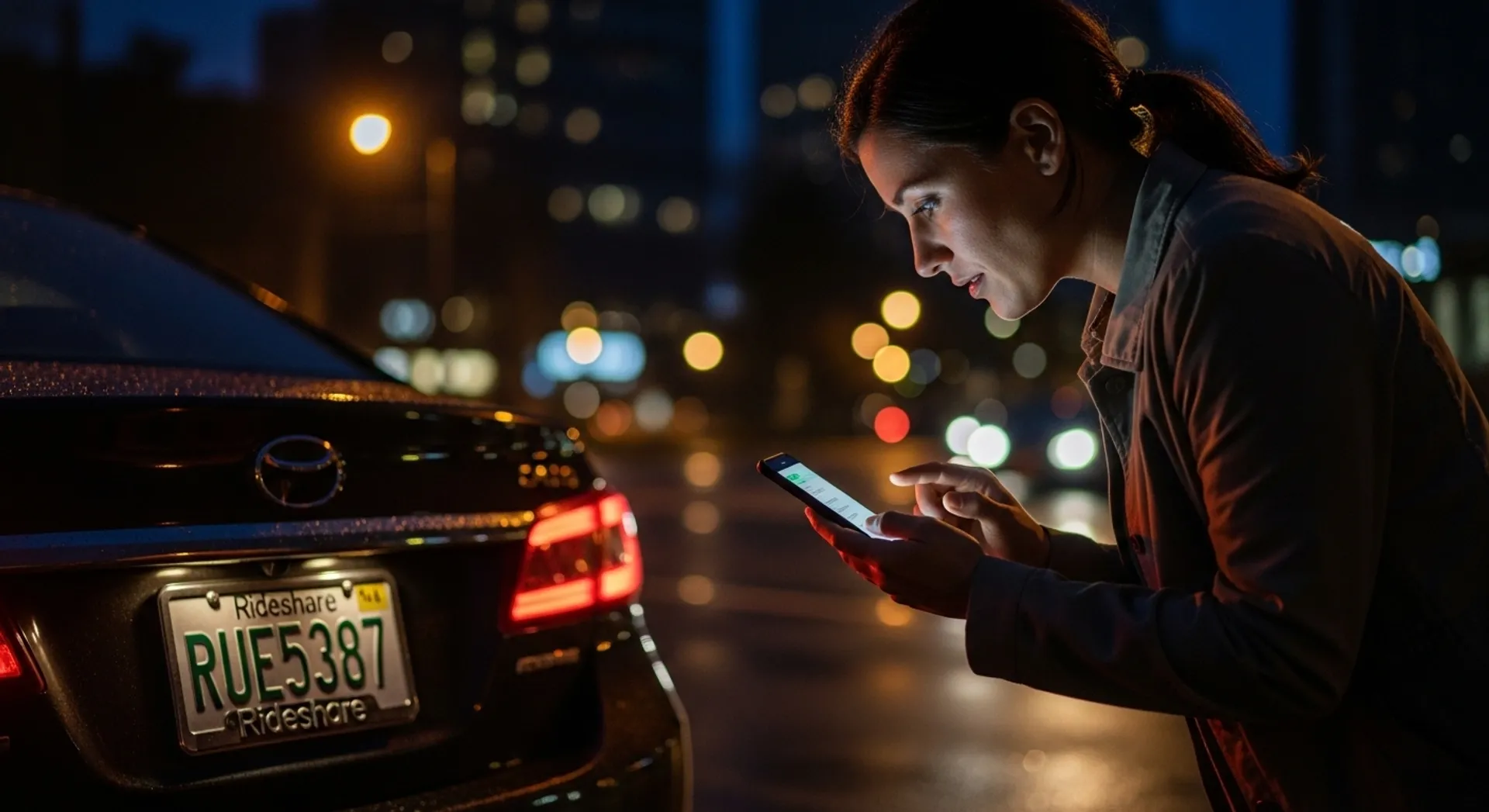
Use PIN verification together with the basics: match the plate, check the car model, look at the driver photo, and confirm details before opening the door.
2. Trip sharing and location sharing are still essential
Trip sharing remains one of the most practical safety tools because it adds another set of eyes to the ride. If someone you trust can see your route, estimated arrival, and trip progress, the ride stops being a private black box. That visibility alone can discourage bad behavior and make it easier for someone to react if a trip goes off course.
For drivers, similar location-sharing tools matter too. They can help create context around where a shift is happening and give family or trusted contacts a way to keep track without constant check-ins.
Why this matters more than people admit
Most safety incidents do not begin as dramatic emergencies. They often begin as uncertainty. A route changes. A stop feels strange. A rider or driver stops responding. Trip sharing helps reduce that uncertainty quickly.
Why passive visibility is powerful
The best part of trip sharing is that it works quietly. Once it is enabled, it does not interrupt the ride. It just creates awareness in the background.
Best practice
Use trip sharing for late-night rides, airport runs, unfamiliar neighborhoods, and any ride that already feels higher-risk before it starts.
3. Ride monitoring tools like RideCheck and Smart Trip Check-In matter because they catch what humans miss
One of the smartest changes in rideshare safety is that the app can now notice unusual trip patterns. If the route goes off course, the car stops unexpectedly for too long, or a possible crash happens, ride monitoring tools can prompt a check-in and point the user toward help.
This matters because many people freeze when something feels wrong. They are not always sure whether they should report, wait, or assume everything is fine. Detection tools close part of that gap by flagging unusual events automatically.
These tools are not perfect, but they are valuable
No ride monitoring system catches everything, and false alerts can happen. That does not make the feature weak. It makes it realistic. A good safety feature does not need to be perfect to be useful. It just needs to notice enough unusual behavior to give riders and drivers a better chance to act early.
Where these features help most
They matter most on long rides, unfamiliar routes, late-night trips, teen trips, and situations where the rider or driver may be distracted, tired, or less able to evaluate the route in real time.
Best practice
If the app flags an issue, do not ignore it automatically. Check the route, confirm where you are, and decide whether you need to contact support or emergency services.
4. Audio recording is becoming one of the most practical evidence tools
Audio recording is one of the strongest safety tools for situations that do not rise to an immediate emergency but still need a record. It can help in cases involving harassment, threats, misconduct, verbal disputes, or behavior that later becomes part of a report. The value is not just that it exists. The value is that it can preserve context that memory alone often loses.
For riders and drivers alike, this kind of feature can create peace of mind without forcing confrontation in the moment. That matters because many safety concerns involve social pressure, confusion, or uncertainty rather than instant crisis.
Why evidence changes everything
Reports are stronger when there is a reliable record behind them. Platforms talk often about reporting, but users are more likely to trust that process when a tool helps document what happened.
Privacy and judgment still matter
People should understand how the feature works in their app, when it is stored, and how it can be shared. A recording tool is powerful, but it should be used deliberately and with a clear reason.
Best practice
Know where the audio recording option sits in the app before you need it. In a tense moment, you do not want to go searching for the setting.
5. Emergency help features are critical, but they are not the first layer
Emergency buttons and live safety help remain essential because speed matters when a real emergency happens. If a rider or driver needs police, medical help, or immediate intervention, fast access inside the app can save time and reduce confusion. That is the point of these tools.
But people should think clearly about what emergency features are for. They are not meant to replace prevention. They are the backstop when prevention has already failed or the situation has escalated quickly.
Why the basics still beat the panic button
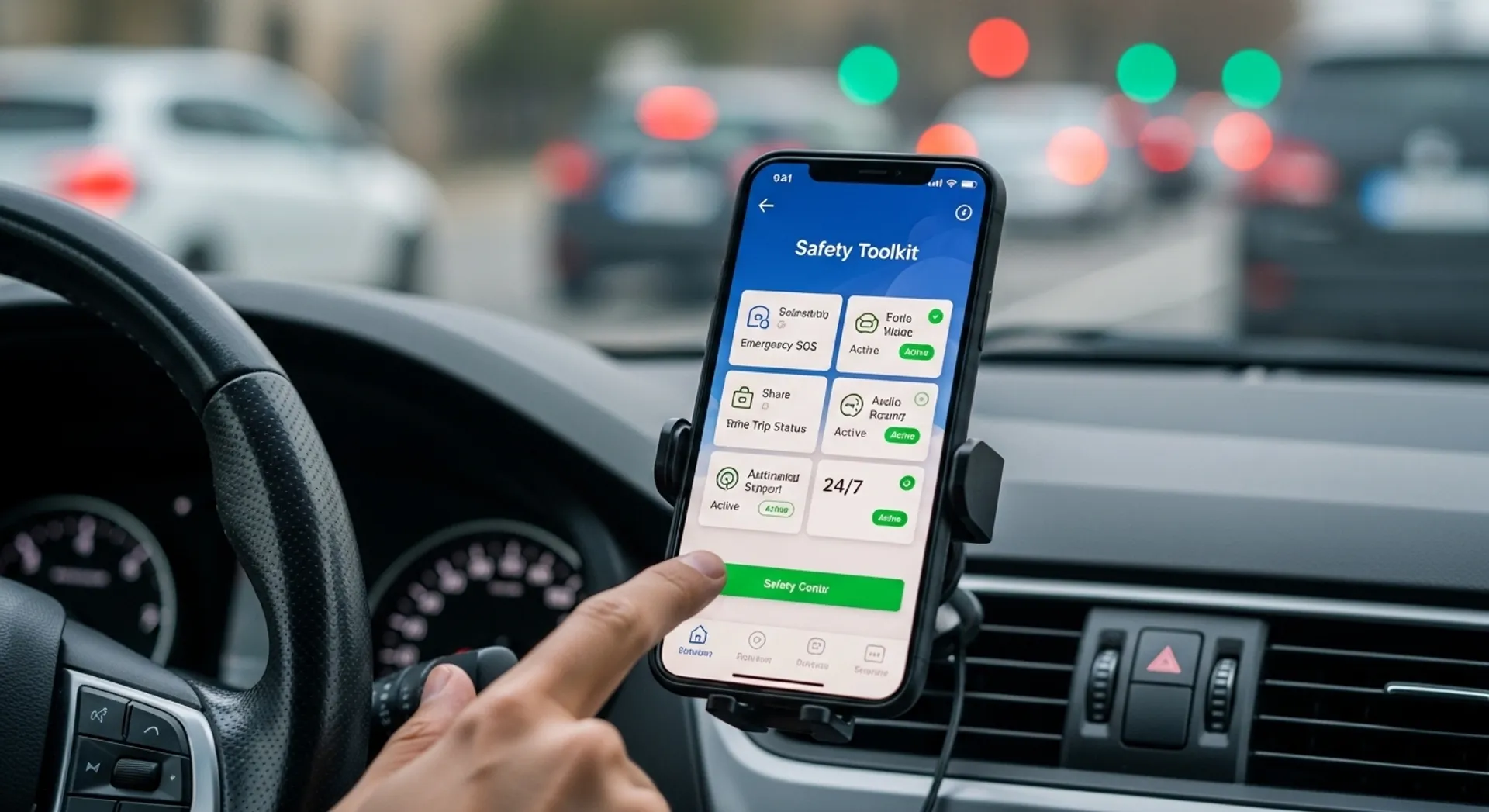
The safest ride is the one that never reaches the point of emergency. That is why confirming the car, choosing a safe pickup area, sharing the trip, and using a PIN often matter more than people realize. The emergency tool is vital, but it should not be the only thing someone knows how to use.
What riders and drivers should do before they need help
Make sure your phone is charged enough, location access is turned on, and you know where the safety toolkit sits in the app. Preparation is boring, but it matters.
Best practice
If you are in immediate danger, contact emergency services first. The app can help, but it should not slow down the response you need.
6. The simplest safety features still matter: plate checks, pickup spots, and seat belts
The newest tools get attention, but some of the best rideshare safety features in 2026 are still the simplest ones. Check the license plate. Wait in a safe, visible pickup spot. Do not step into traffic to chase a ride. Wear a seat belt even in the back seat. These habits sound obvious, but they are still among the most effective ways to reduce avoidable risk.
This is where a lot of people get lazy. They assume app-based transportation means the platform handles everything. It does not. Riders and drivers still share the road with traffic, bad weather, distracted people, and poor pickup conditions. Safety basics stay relevant because the road itself has not changed.
Why old-school habits stay on the list
Because they work. Not every important safety habit needs a futuristic name. Sometimes the most effective move is still the least glamorous one.
Final ranking logic
If you want the practical version, here it is: use the preventive tools first, use the monitoring tools second, use recording tools when documentation matters, and keep emergency tools ready for the moments that go beyond discomfort and become urgent.
Final takeaway
The best rideshare safety features in 2026 are the ones that move with your actual behavior. Turn on the tools that prevent mistakes, create visibility, detect unusual trips, preserve evidence, and connect you to help fast. Then back those tools up with simple habits that still do most of the work.
For a public safety refresher that applies to rideshare users too, see NHTSA’s guidance here: Ways to Get Home Safely.