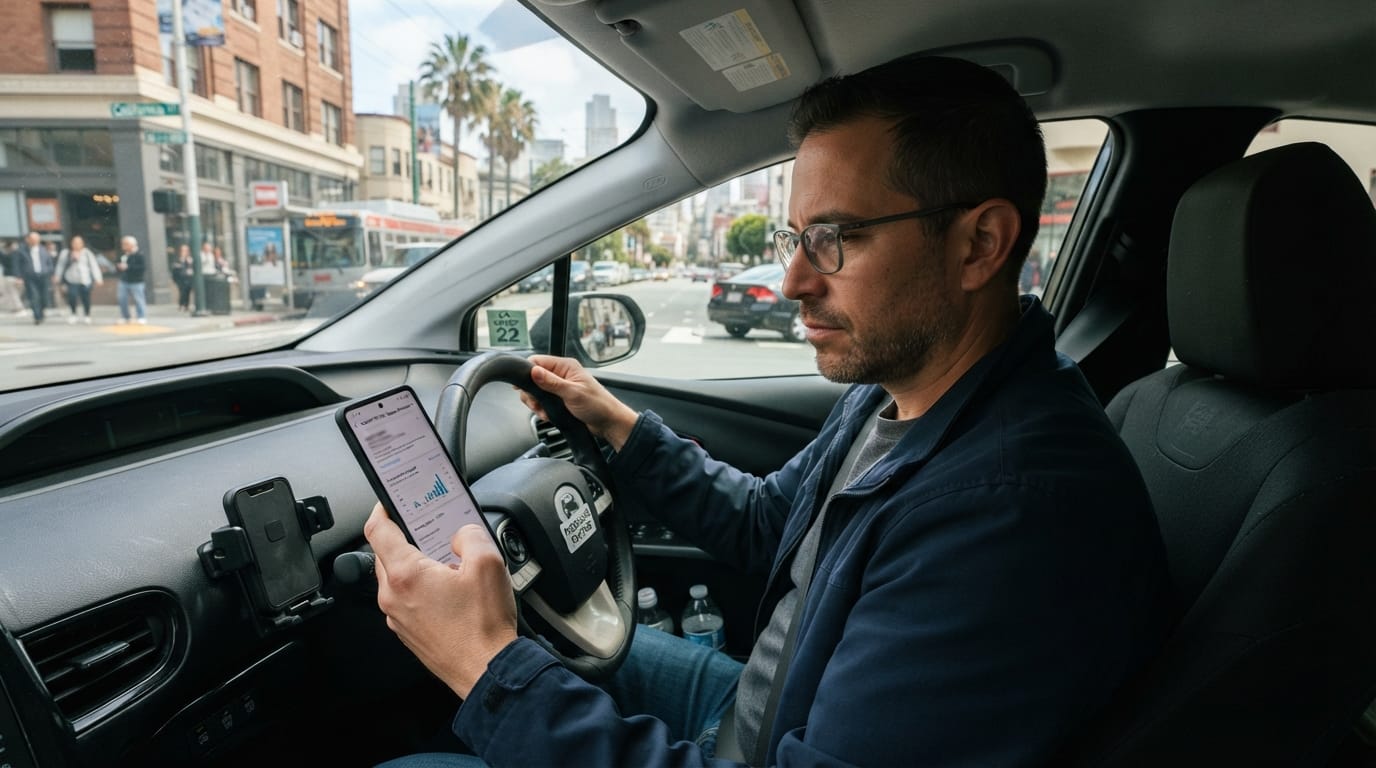
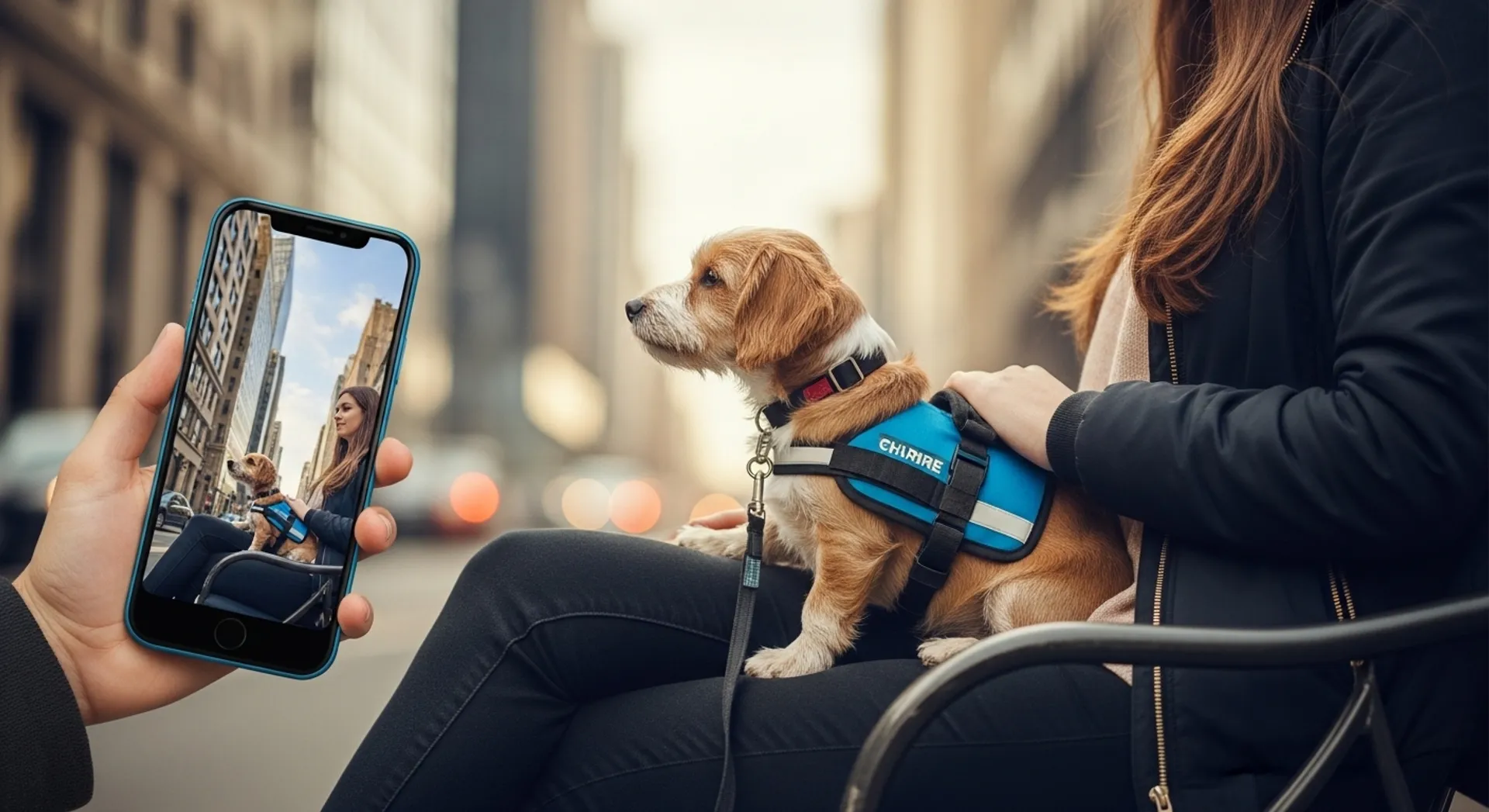
The Lyft service animal settlement is one of the most important rideshare stories of 2026 because it goes beyond a single complaint. It touches a core issue that rideshare companies can no longer treat as secondary: access. For many riders with disabilities, a ride is not just about convenience. It is about whether they can get to work, school, medical appointments, or basic daily commitments without being blocked by discrimination.
That is why this case matters. It forces a wider conversation about what platform accountability actually looks like when independent drivers deny service to riders with disabilities. It also shows that app updates, driver training, and clearer enforcement are no longer optional public-relations moves. They are becoming central to how rideshare companies are judged.
If you are following the bigger changes in the industry, also read our guides to Uber Women Preferences in 2026, Lyft’s gas relief program in 2026, and Uber and Motional’s robotaxi launch in Las Vegas. Each story points to the same reality: rideshare is becoming more shaped by policy, personalization, and platform responsibility.
What happened in the Lyft service animal settlement?

The case began after blind college student Tori Andres reported that Lyft drivers repeatedly refused rides when she was traveling with her guide dog, Alfred. Minnesota authorities investigated and concluded that the company had violated the state’s Human Rights Act. The result was a settlement announced in March 2026 that reaches beyond Minnesota and affects Lyft riders across the United States.
That national reach is what makes this more than a local legal story. The settlement is built around changes to policy enforcement, driver education, app behavior, and complaint follow-up. In plain terms, the agreement tries to close the gap between what a company says its rules are and what riders actually experience in real life.
Why this case became a national rideshare issue
Service animal discrimination is not a niche concern. It goes to the heart of whether a rideshare platform provides equal access or only partial access depending on who the driver is and how informed that driver happens to be. A platform can publish the right policy on a website, but that means little if riders still get stranded at the curb.
The Lyft service animal settlement became nationally relevant because it exposed that exact problem. A company can point to a written rule. Riders, meanwhile, judge the service by whether they actually get picked up when they need transportation. When those two realities do not match, trust collapses fast.
Policy on paper is not the same as access in practice
This is the real lesson for the rideshare industry. Accessibility is not solved by publishing a policy page and assuming the problem is handled. Access only becomes real when drivers understand the rules, the app reinforces them, complaints are taken seriously, and there are visible consequences for violations.
That is why enforcement matters more than branding
Plenty of platforms say the right things about inclusion. What separates a meaningful accessibility policy from empty language is enforcement. Riders with disabilities do not need slogans. They need a ride that actually shows up.
What Lyft agreed to do
The Lyft service animal settlement requires changes that are practical, not just symbolic. Riders now have the option to disclose in the app that they are traveling with a service animal. That disclosure is optional, not mandatory, but it gives the app a way to surface the issue before a driver tries to cancel. Lyft also agreed to follow up on every report involving a driver refusal connected to a service animal.
On the driver side, the settlement raises the pressure. Drivers attempting to cancel or refuse a trip after a rider has disclosed a service animal are supposed to receive an in-app reminder that refusing service animals violates both the law and company policy. The settlement also reinforces that drivers who violate these rules can be deactivated.
Why the app changes matter
The optional disclosure feature matters because it turns accessibility from a hidden issue into an active part of the ride flow. It does not solve everything, and it should not create a burden on riders to “announce” themselves just to receive equal treatment. But it does give the platform a stronger chance to intervene before a violation happens.
That is a meaningful change because many accessibility failures happen in moments that are easy for platforms to ignore. A driver sees an animal, cancels, and moves on. The rider is left behind. Without better in-app signals and better complaint tracking, those incidents can disappear into a system that looks compliant on the surface while failing in practice.
Why complaint follow-up changes the power dynamic
One of the strongest parts of the settlement is the requirement that Lyft follow up on every refusal report involving service animals. That matters because riders are often told to report problems, but they are rarely confident that anything meaningful happens afterward.
Follow-up creates accountability
When every complaint requires action, the company can no longer treat accessibility reports as background noise. It has to count them, review them, and respond. That alone can change behavior across the platform.
What this means for riders
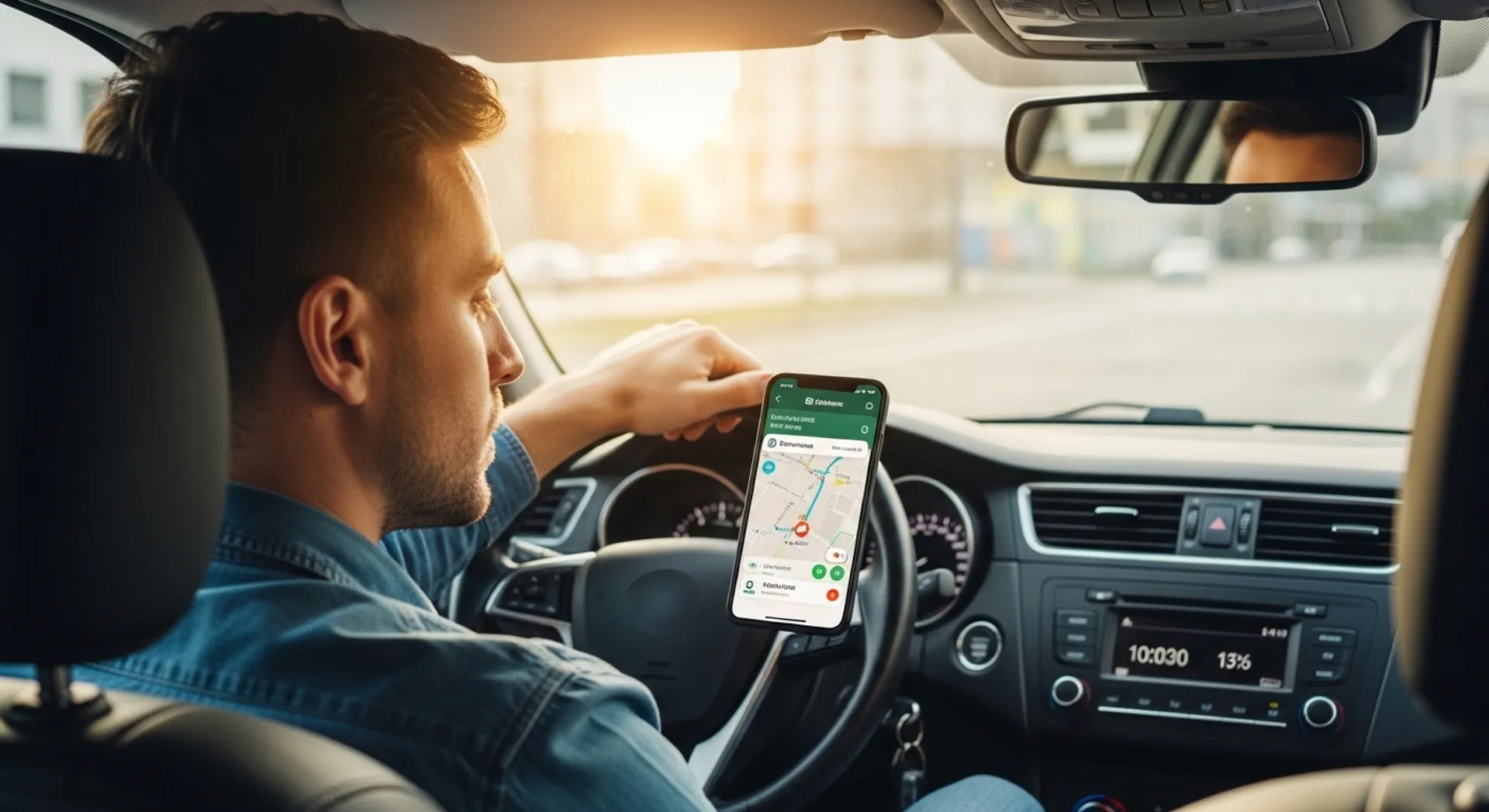
For riders with disabilities, this settlement sends a clear message: rideshare access is a rights issue, not a courtesy issue. That distinction matters because it changes how the public, regulators, and platforms talk about service denials. A driver refusing a service animal is not merely being unhelpful. It is a serious access problem with legal consequences.
Riders should still document incidents carefully. If a refusal happens, it is worth reporting through the app and keeping records of what occurred. The settlement gives riders a stronger basis to expect follow-up and action. It also makes the broader public more aware that service animals are not pets and that rideshare access is not optional when disability rights are involved.
Why this could improve the rider experience beyond Lyft
Even though the agreement is specific to Lyft, the pressure does not stop there. Competitors are watching. Regulators are watching. Advocacy groups are watching. Once one platform is pushed to tighten policy enforcement, others have fewer excuses for weak execution.
That wider signal matters for the whole market
The settlement makes it harder for the industry to pretend these problems are isolated incidents. It reinforces that accessibility complaints can trigger national attention and real operational change.
Better access can become a competitive issue
If riders believe one platform handles disability access more seriously than another, that perception can shape long-term loyalty. Accessibility is not only a compliance issue. It can also become a trust and brand issue.
What this means for drivers
For drivers, the message is direct. Service animals are not optional rides, and refusing them is not a gray area. Drivers who do not understand that are taking a real risk. The settlement makes that plain by reinforcing warnings, training, and the possibility of deactivation.
Drivers should also understand the bigger point. Accessibility is part of the job. The platform economy often encourages drivers to think in terms of speed, ratings, and trip volume. But legal obligations do not disappear because the work is app-based. If a rideshare company wants to stay credible, it has to make sure drivers understand that from the beginning.
Why better training is not just a legal box to check
Training matters because many policy failures happen through ignorance, confusion, or bad habits that become normalized. A driver may wrongly think service animals can be refused for cleanliness, fear, allergy concerns, or personal discomfort. That is exactly why clear, repeated education matters.
Drivers who understand the rules reduce risk for everyone
When drivers know the law and the platform rules, riders face fewer denials, the platform faces fewer complaints, and the driver is less likely to lose access to the app. That is not abstract. It is operational.
Good enforcement protects serious drivers too
Drivers who follow the rules should want strong enforcement. Weak enforcement lets bad behavior define the platform and creates more public distrust toward rideshare as a whole.
Final thoughts
The Lyft service animal settlement matters because it turns accessibility from a talking point into a measurable platform obligation. It reinforces the basic principle that riders with disabilities should not have to negotiate for equal access every time they open a rideshare app. It also shows that when policy enforcement fails, regulators can push platforms into more concrete action.
The bigger takeaway is simple. The future of rideshare will not be judged only by pricing, wait times, or app design. It will also be judged by whether the system works fairly for the people who rely on it most. In that sense, the Lyft service animal settlement is not just about one rider, one dog, or one state. It is about whether rideshare companies are finally being forced to match their public promises with real-world access.
For the official announcement and reporting guidance, see the Minnesota Department of Human Rights update here: Minnesota Department of Human Rights: Lyft settlement will benefit riders with service animals nationwide.