
Robotaxis are no longer a side story in rideshare. They are becoming one of the biggest forces shaping how app-based transportation will look over the next few years. That is why the latest Waymo Lyft Nashville robotaxi matters. This is not just another mobility headline built for attention. It is another clear sign that autonomous ride-hailing is moving closer to everyday riders, and it gives drivers, riders, and regulators a fresh reason to pay attention.
Nashville matters because it shows how the robotaxi conversation is changing. For years, autonomous rides were mostly framed as test programs, pilot routes, and future promises. In 2026, that framing is weaker. The real question now is more practical. Where are robotaxis launching, how are they being integrated into familiar apps, and what happens when more riders begin seeing driverless vehicles as a normal part of the transportation mix?
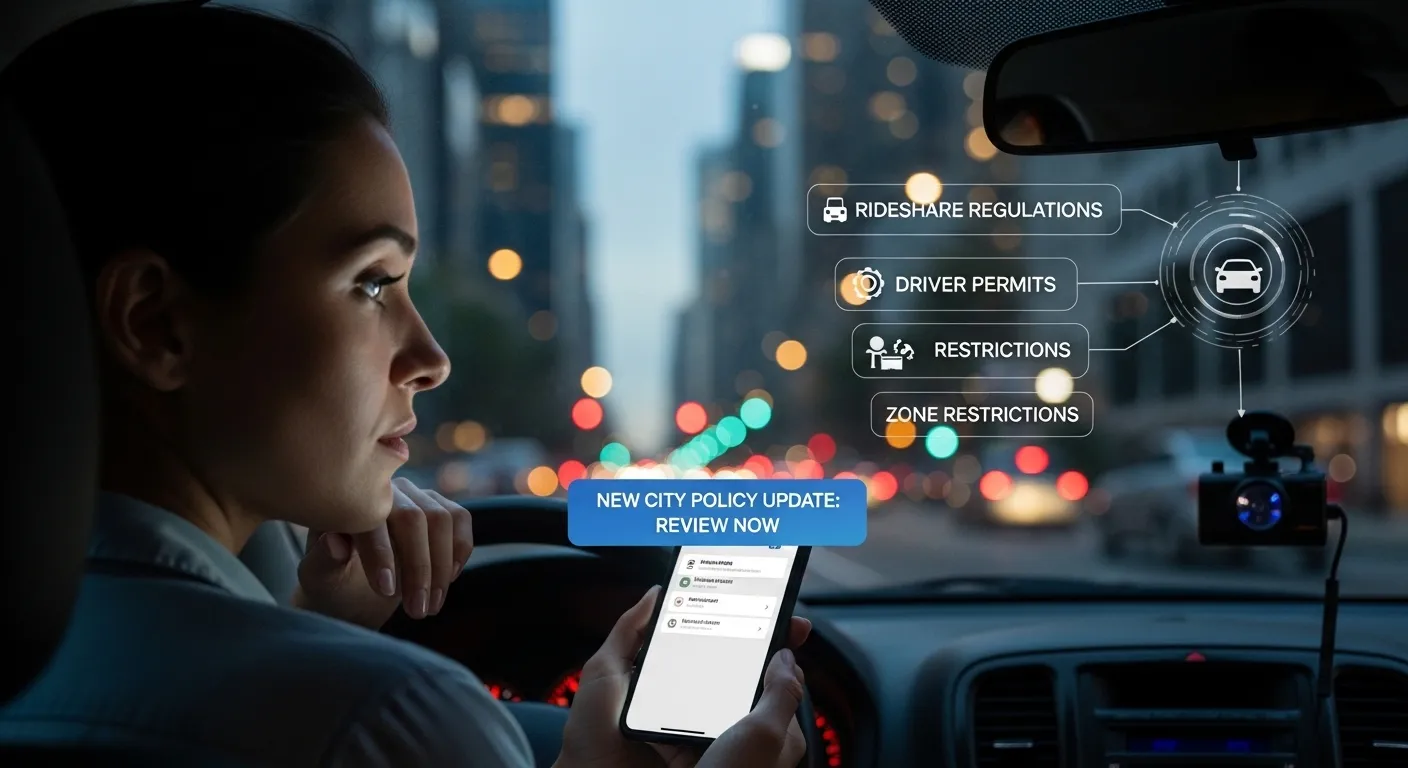
If you have been following rideshare.blog, this new shift connects directly with our earlier coverage of Uber and Motional in Las Vegas, our breakdown of the best rideshare safety features in 2026, and our guide to new rideshare regulations in 2026. Nashville now adds another piece to the same bigger story: rideshare is becoming more automated, more policy-driven, and more focused on trust.
Why Nashville matters in the 2026 robotaxi race
The Nashville launch stands out because it is not happening in isolation. It comes at a moment when autonomous ride-hailing is expanding into more markets and becoming more visible to ordinary users. That visibility matters. The more often riders hear about real launches in real cities, the less robotaxis feel like a distant technology story and the more they start to feel like a real rideshare product category.

Waymo is no longer talking about expansion. It is doing it.
One reason this topic is trending is simple. Waymo has moved beyond a single-city narrative. Instead of being discussed only as a company proving it can operate in one or two headline markets, it is increasingly becoming the benchmark for what scaled autonomous ride-hailing could look like. That changes the tone of the conversation. The debate is no longer whether robotaxis can exist in public service. The debate is how quickly they can expand, where they fit best, and how riders will respond as availability grows.
This launch signals a bigger rideshare shift
Nashville is important because it reinforces a broader pattern. Robotaxis are becoming part of the mainstream rideshare discussion, not a separate experiment living outside of it. That matters for investors, regulators, and platform strategy, but it also matters for riders who may soon view autonomous trips as just another ride option in certain cities. In other words, this is less about novelty and more about normalization.
Nashville gives the robotaxi model a real-world test
A city launch always reveals more than a press release does. It shows how a service performs in real traffic conditions, how the public reacts, how local operations scale, and how much friction still exists between technical capability and everyday usability. Nashville may not answer every question about robotaxis, but it gives the market another real place to watch what works, what stalls, and what riders still need before trust grows.
Why Lyft’s role matters just as much as Waymo’s
Waymo gets much of the attention because it supplies the autonomous technology, but Lyft’s position matters too. Lyft is showing that rideshare platforms do not necessarily need to build every part of the robotaxi stack themselves to stay relevant. Instead, they can act as distribution partners, rider-acquisition channels, and operational platforms that help autonomous fleets reach more people. That is a serious business model shift, and it may end up being one of the biggest rideshare developments of the decade.
Platform partnerships may shape the next phase of rideshare
This is where the story gets bigger than Nashville. If major rideshare apps become marketplaces where human-driven rides and autonomous rides sit side by side, the competitive map changes. Riders may care less about who built the underlying driving system and more about which app delivers the fastest, safest, and easiest trip. That puts pressure on both technology companies and rideshare brands to create a smooth experience, not just advanced hardware.
What drivers, riders, and regulators should watch next
Robotaxi growth does not mean a total overnight reset for rideshare. That idea is still exaggerated. The real short-term shift is more selective. Certain cities, corridors, airports, downtown zones, and high-frequency routes are more likely to become autonomous first. That means drivers should pay attention without panicking, riders should stay curious without assuming the technology is mature everywhere, and regulators should focus on transparency instead of hype.
For drivers, the immediate takeaway is not that every trip is about to disappear. It is that parts of the market may start changing unevenly. Repetitive, high-demand, highly mapped routes are the most obvious places where autonomous services can gain ground first. Drivers who understand that pattern early will have a better read on where traditional rideshare remains strongest and where new competition could begin showing up more often.
What riders can expect from the robotaxi experience
For riders, the biggest issue is not engineering. It is comfort. Most people do not care about sensors, compute systems, or technical architecture. They care whether the ride feels safe, simple, and predictable. That is why trust remains the central issue in every robotaxi launch. Riders want to know how pickup works, what support exists if something goes wrong, whether the route feels normal, and how safety oversight actually works in practice.
That is also why official oversight still matters. As autonomous systems expand, public confidence will depend partly on how clearly the rules are explained and enforced. Resources like NHTSA’s Standing General Order on crash reporting and NHTSA guidance on automated driving systems matter because they help anchor the conversation in reporting, safety, and accountability rather than pure marketing.
Safety, trust, and liability will decide how fast this grows
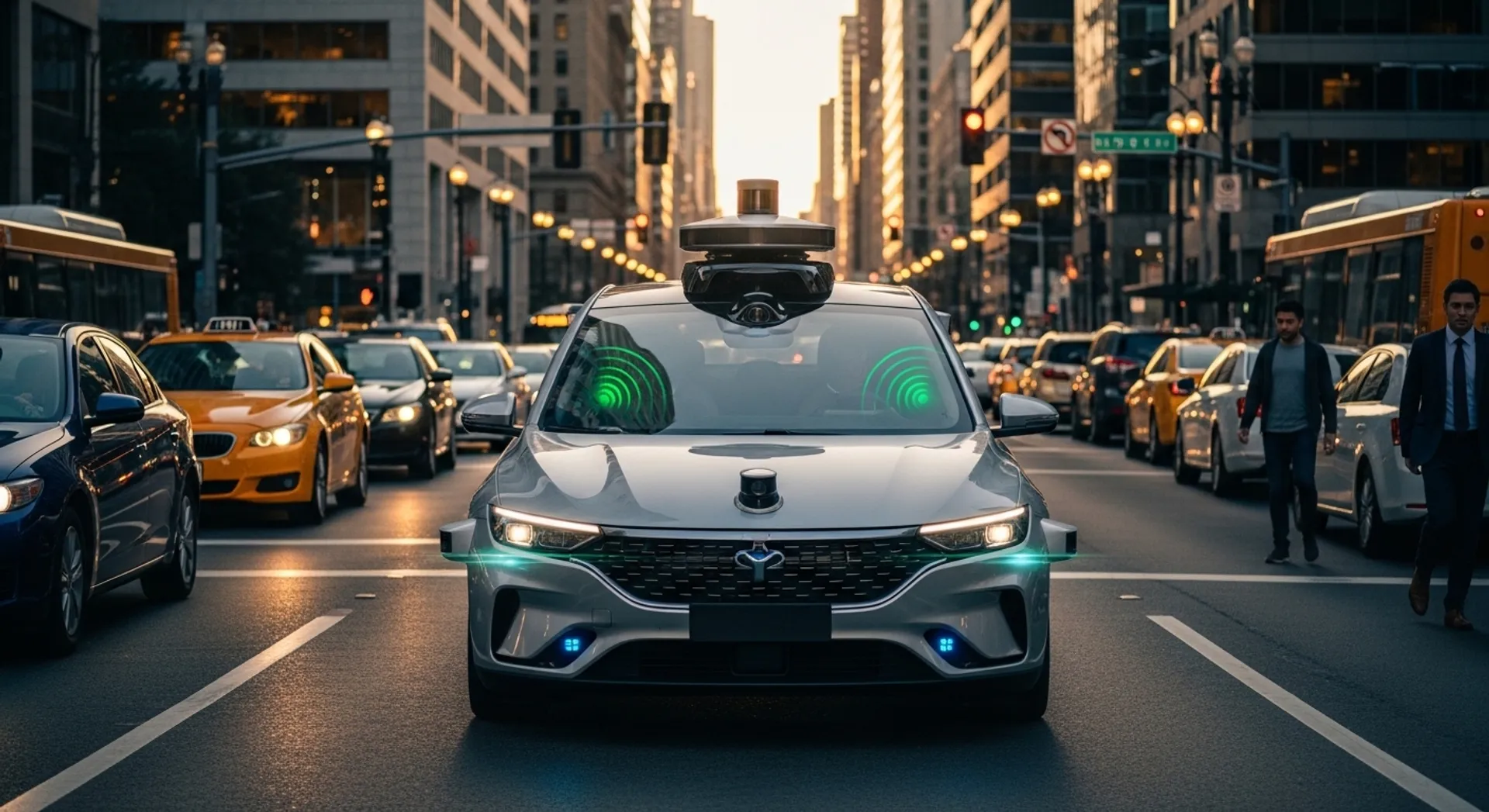
Technology may open the door, but safety and liability will decide how wide that door gets. The more robotaxis expand, the more important the hard questions become. Who is responsible after a crash? How are incidents reported? What happens when a city becomes more cautious than the companies trying to launch there? Those questions are not side issues. They are central to whether autonomous rides stay limited to a few showcase cities or become a lasting part of the wider rideshare economy.
That is why Nashville is such a strong signal for 2026. It is not just about one launch. It is about what that launch represents. Waymo and Lyft are helping move robotaxis further into public view, and that puts pressure on the entire rideshare space to adapt. Competitors will study it. Drivers will monitor it. Riders will test it. Regulators will keep watching it. Every new launch now feels less like a one-off and more like another checkpoint in a much bigger race.
For rideshare.blog, this is exactly the kind of story worth following closely. It sits at the intersection of mobility, platform strategy, safety, rider behavior, and regulation. And unlike vague future-of-tech predictions, this shift is visible right now. Nashville may not be the final answer to the robotaxi question, but it is one of the clearest signs yet that autonomous ride-hailing is moving from possibility to practical reality.