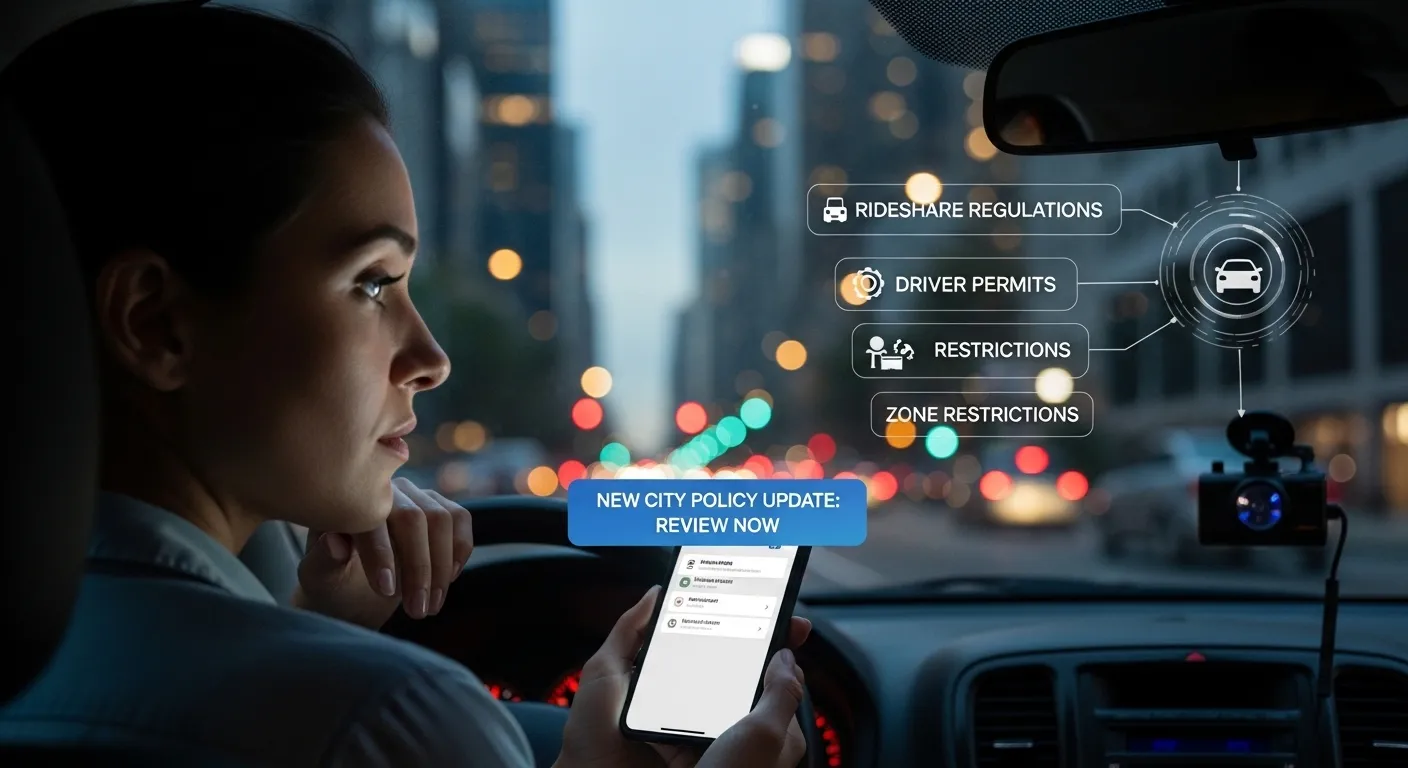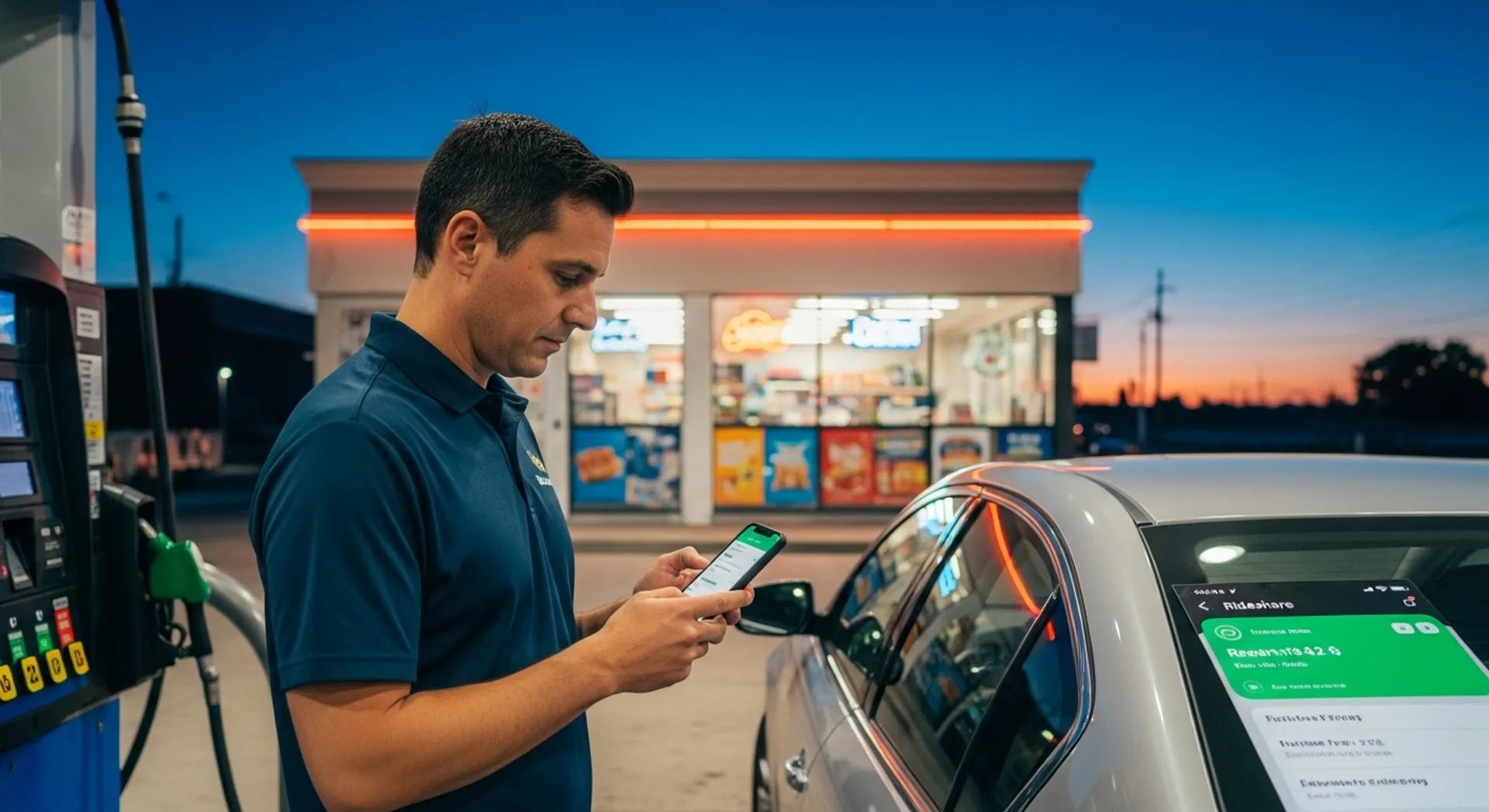

The Lyft gas relief program is one of the most relevant rideshare stories of 2026 because it hits the issue drivers care about most when fuel prices spike: what happens to take-home pay. It is easy for a platform to talk about supporting drivers. It is harder to provide something that makes a visible difference when every fill-up costs more than it did just a few weeks earlier.
That is why this topic matters. Lyft’s new relief program was introduced during a sharp rise in U.S. gas prices, and it is being framed as a way to help drivers keep more of what they earn. For drivers already dealing with commission cuts, maintenance costs, downtime, and unpredictable demand, fuel inflation is not a minor expense. It is one of the fastest ways for a “good” week to turn into a disappointing one.
If you are following the bigger rideshare picture, also read our guide to Uber Women Preferences in 2026, our upcoming breakdown of Uber and Motional’s robotaxi launch in Las Vegas, and our planned comparison of Uber vs Lyft for drivers in 2026.
What Is the Lyft Gas Relief Program?
The Lyft gas relief program is a temporary fuel-savings initiative for drivers in the United States. Instead of cutting commission rates or adding a direct per-trip fuel surcharge, Lyft structured the program around stackable savings tied to its driver rewards system and Lyft Direct debit card. In simple terms, eligible drivers can earn extra cash back on fuel purchases and combine that with partner discounts to reduce what they pay at the pump.
That makes this more of a rewards-based support plan than a true income reset. It is designed to soften the blow of rising gas prices, not eliminate it. The program may still help, especially for full-time drivers who purchase fuel frequently, but it is not the same thing as raising driver pay or permanently reducing operating costs.
Why the Lyft Gas Relief Program Is Trending Right Now
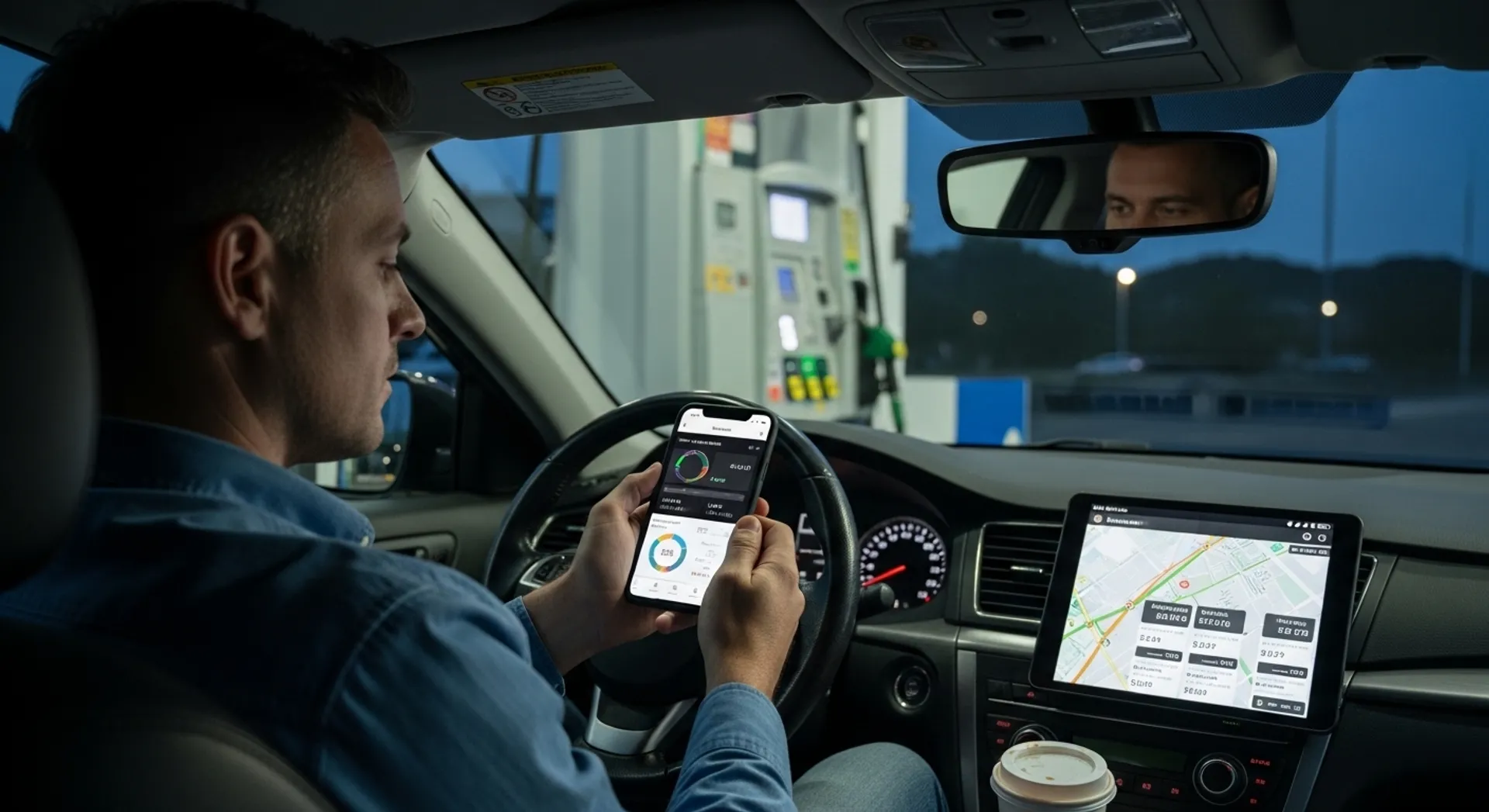
The timing explains everything. Gas prices rose fast in March 2026, and that kind of move gets drivers’ attention immediately. When fuel costs jump, drivers feel it before almost anyone else because they are spending money just to stay available for work. A rideshare platform can talk about flexibility all day, but fuel is one of the few costs that drivers cannot ignore, delay, or creatively manage away.
That is also why this story has wider relevance than one app update. The Lyft gas relief program is part of a much larger conversation about how rideshare companies respond when driver economics get squeezed. If fuel can rise sharply in just weeks, then drivers need more than slogans. They need practical tools, predictable support, and a platform structure that does not leave them absorbing every shock alone.
How the Program Works
The basic promise is straightforward. Lyft drivers who use the Lyft Direct debit card at participating gas stations can stack additional savings for a limited period. Top-tier drivers get extra cash back, mid-tier drivers get a smaller increase, and the company says those savings can be combined with partner offers to improve the total discount per gallon.
For drivers who already use Lyft Direct and understand the rewards system, the program is easy to plug into. For others, it adds another layer of optimization. That is part of the issue. A benefit only feels helpful when drivers can access it without friction. If a driver needs to change payment habits, switch routines, or actively chase tier status just to feel the impact, the program starts to look less like relief and more like a limited-time perk.
Who Benefits the Most?
The Lyft gas relief program is clearly best for drivers who already drive often, already use Lyft Direct, and already operate in a way that lets them qualify for stronger rewards. In other words, the biggest benefits go to drivers who are already plugged into Lyft’s ecosystem and can maximize stacking opportunities.
That means part-time drivers may not feel the same level of impact. A driver who only logs in a few hours a week might appreciate any savings, but the difference may not be large enough to change their real monthly math. Full-time drivers, airport drivers, and drivers covering long suburban routes are more likely to notice it because they buy fuel more often and have more chances to turn small per-gallon savings into something meaningful over time.
Lyft has also pointed to separate charging incentives for EV drivers, which matters because not every driver is exposed to rising gas prices in the same way. The gap between gas-powered drivers and EV drivers could become even more important if this kind of fuel volatility keeps returning.
Is the Lyft Gas Relief Program Actually Enough?
This is where the honest answer matters. The Lyft gas relief program helps, but it does not fix the core problem. Temporary fuel discounts are useful, especially when prices spike quickly. But they do not solve the larger issue of how narrow rideshare margins can become once fuel, maintenance, insurance, car payments, and unpaid downtime are all added up.
Drivers should think about it this way: a fuel discount can reduce one major expense, but it does not automatically turn a weak market into a strong one. If demand is soft, if trips are short and low-margin, or if time between rides is high, then the savings may feel helpful without actually changing net earnings in a major way. That is why many drivers will see the program as real help, but still call it a short-term fix.
Why Short-Term Relief Still Matters
Even if it falls short of being a structural solution, temporary relief still has value. It can keep drivers online during a difficult period. It can reduce frustration. It can help the platform signal that it is paying attention. In a market where driver loyalty is weak and switching between apps is easy, those things matter more than companies like to admit.
The Lyft gas relief program is also important because it shows how rideshare platforms are likely to respond in future cost spikes. Instead of redesigning driver pay from the ground up, they may prefer targeted, temporary, and rewards-based support. From a corporate perspective, that is flexible and easier to manage. From a driver perspective, it is useful but limited.
What Smart Drivers Should Do During the Program Window
If you drive for Lyft, the smart move is not just to ask whether the relief exists. It is to ask how to use it properly. The most practical approach is to treat the program as one piece of a wider earnings strategy. Stack the rewards if you qualify. Track your average fuel cost before and during the program. Compare your Lyft hours against other apps. And do not assume savings at the pump automatically mean better weekly income.
This is also a good time to tighten route selection, avoid low-value trip patterns, and review whether your current vehicle still makes sense for the type of driving you do most. Fuel spikes have a way of exposing weak business habits. Drivers who treat rideshare like a numbers game usually adapt faster than drivers who rely on rough guesswork.
For broader protection on the road, our upcoming guide to rideshare safety features in 2026 will cover the app tools and habits that matter most beyond earnings alone.
What This Means for the Future of Driver Pay
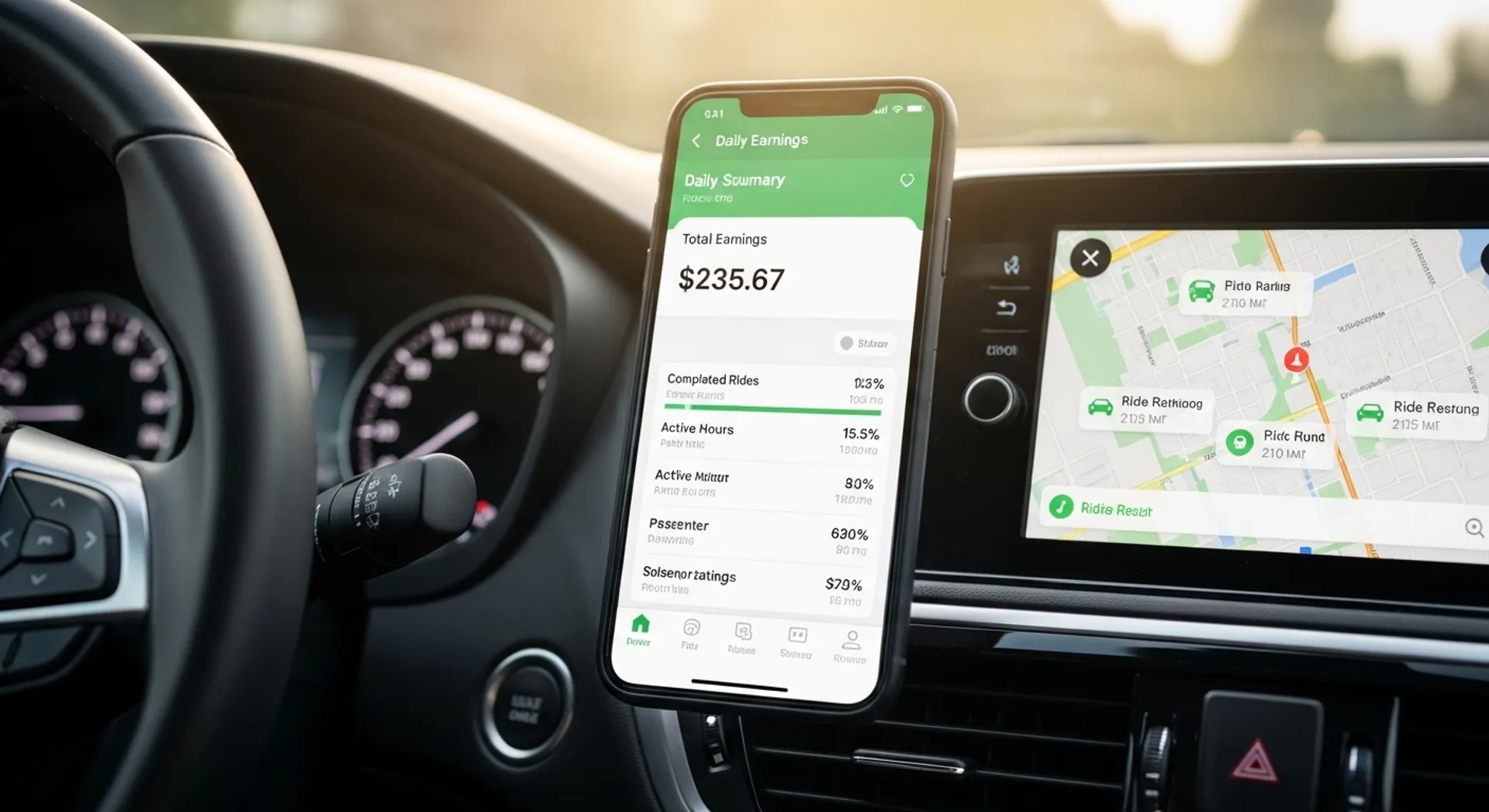
The bigger takeaway is not just about Lyft. It is about the direction of platform work. When costs rise sharply, the first line of response from gig companies is increasingly selective relief, limited-duration incentives, and ecosystem-based rewards. That may be the model for now, but it is not the same as building a more resilient income system for drivers.
If rideshare companies want long-term driver trust, they will need to do more than offer temporary savings when headlines get bad. Drivers are paying close attention to what actually improves take-home pay. The platforms that understand that will have the advantage. The ones that rely too heavily on short campaigns may buy goodwill for a few weeks without solving the deeper retention problem.
Final Thoughts
The Lyft gas relief program is not fake help. It is real help with real limits. For drivers who can maximize it, the savings may be worth paying attention to. For others, it will feel more like a cushion than a cure. That does not make it useless. It just means drivers should judge it honestly.
The best way to view the Lyft gas relief program is as a temporary tool during a volatile fuel market. It can reduce pressure, but it cannot carry the entire weight of driver economics by itself. That is why the smartest takeaway is simple: use the relief, but do not confuse short-term savings with long-term stability.
To track current pump prices while following this story, check the AAA national gas price tracker.