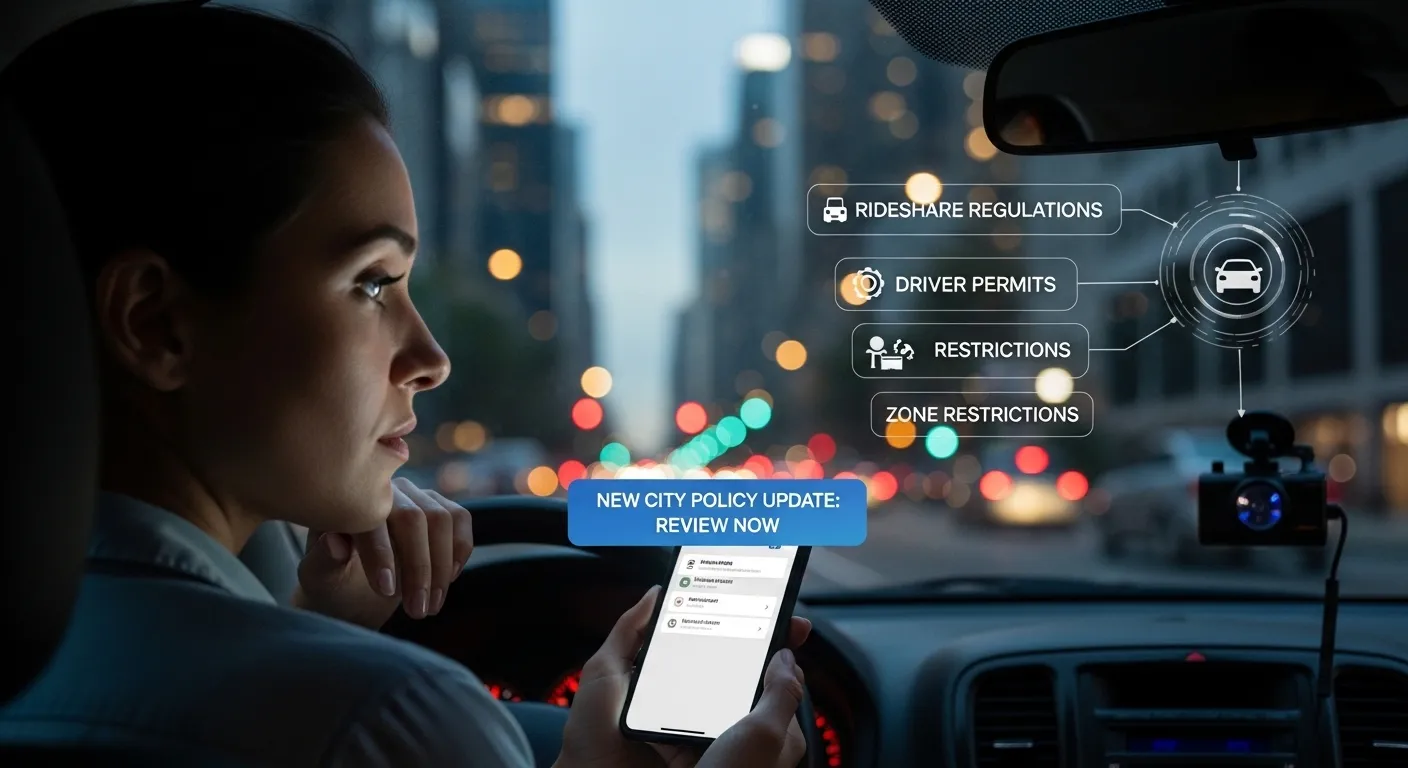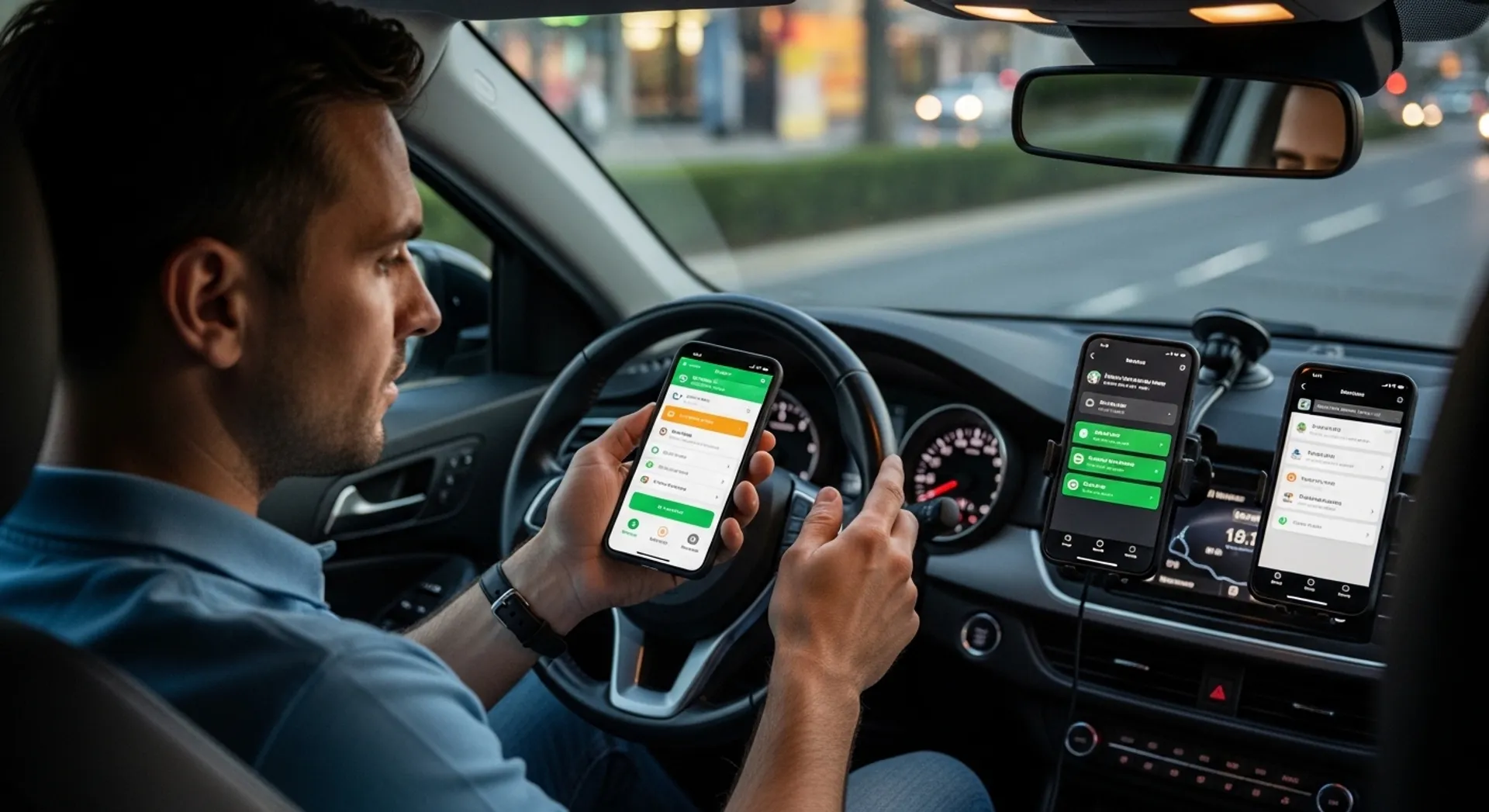
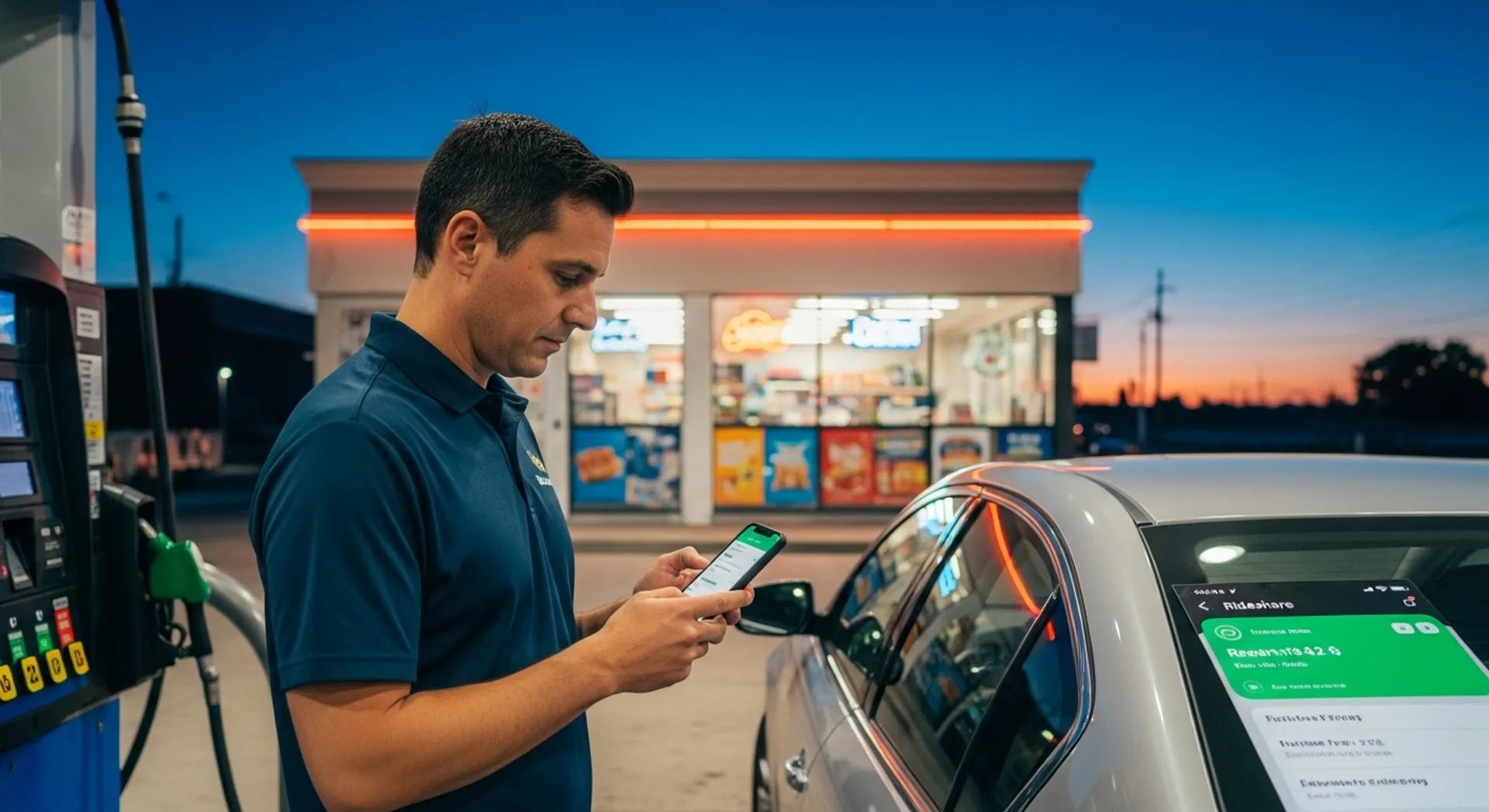
High fuel prices rideshare driver earnings is not just a trending topic in 2026. It is one of the clearest examples of how fast platform work can become harder when one major cost moves in the wrong direction. For riders, higher gas prices may feel like background economic news. For drivers, they hit much closer to home. Every fill-up changes the math of the next trip, the next shift, and the next week of work.
That is why this matters now. A rideshare driver does not simply “pay more for gas” in the same way a casual commuter does. Fuel is a direct operating cost tied to income. When it rises sharply, the pressure shows up everywhere at once: weaker take-home pay, more selective trip choices, more frustration with short rides, more attention to filters and scheduled pickups, and more pressure on platforms to offer at least temporary relief.
If you are following the wider driver-economics story, read our earlier posts on Lyft’s gas relief program in 2026, Uber vs Lyft for drivers in 2026, and the best rideshare safety features in 2026. Together, those posts show the bigger picture: drivers are no longer just reacting to fares. They are managing a full business model inside two apps, under real cost pressure, with less room for lazy decisions.
Why fuel prices hit rideshare drivers harder than most workers
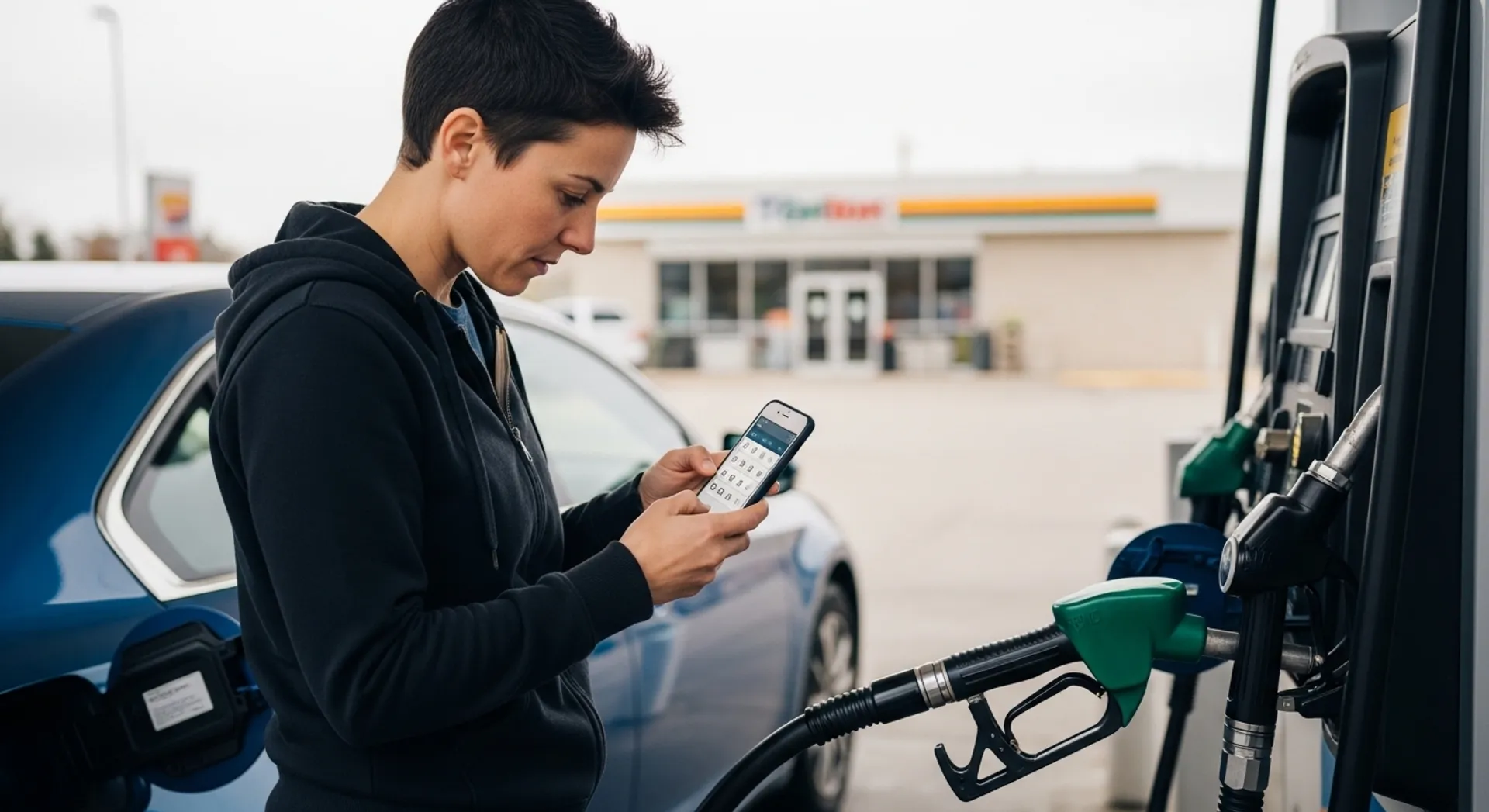
Fuel costs are different from many other business expenses because they move fast and they hit immediately. A driver can postpone some purchases. They can delay maintenance for a little while, reduce personal spending, or work different hours. But they cannot keep driving without fuel. That makes gas one of the most unforgiving costs in the rideshare business.
When fuel prices jump, the effect is not abstract. It changes how much profit is left after each shift. The gross earnings number inside the app may look fine, but the net result starts to feel thinner. That is why high fuel prices rideshare driver earnings has become such an important topic. It exposes the gap between what drivers make on paper and what they actually keep.
A one-month fuel spike changes behavior fast
One of the reasons 2026 feels different is the speed of the increase. Slow price changes are easier to absorb. Drivers adjust gradually. A rapid spike is something else. It creates stress fast because the cost jump lands before drivers have time to rebuild their strategy around it.
That is where margins get squeezed
The real danger is not just that one tank costs more. It is that a higher fuel bill gets layered on top of everything else drivers already pay for. The tighter a driver’s margin already is, the more damaging that extra fuel cost becomes.
And cheap trips start looking worse
Trips that once felt “good enough” suddenly look weak. Short rides, stop-and-go traffic, slow pickups, and long unpaid repositioning miles become harder to justify when the cost of staying on the road climbs.
How high fuel prices are changing driver behavior
The first visible change is selectiveness. Drivers become less willing to accept low-value trips, especially when those trips involve dead miles, bad traffic, or long waits. A high fuel-cost environment makes drivers more sensitive to wasted movement. Every inefficient pickup or poorly paying route feels more expensive than it did before.
The second change is that drivers start thinking more like operators and less like casual gig workers. They care more about where they position themselves, when they log in, whether a scheduled ride is worth it, which airport window makes sense, and whether one app is giving them cleaner economics than the other.
Dead miles become a bigger problem
Dead miles are always a problem, but high fuel prices make them impossible to ignore. Driving unpaid to a pickup, cruising in the wrong zone, or repositioning after a low-value drop-off becomes more painful when every mile costs more to operate.
This is why filters and planning matter more now
Destination filters, area discipline, and shift planning become more valuable when fuel costs rise. Drivers who build their day around stronger zones and fewer wasted miles often adapt better than drivers who just chase every incoming request.
Multi-apping becomes more strategic, not just more common
When fuel gets expensive, drivers stop caring about app loyalty and start caring about cleaner economics. That makes multi-apping less about preference and more about survival. The app that reduces wasted miles and gives better trip quality often wins the day.
Why platform relief programs help, but do not fix the real problem
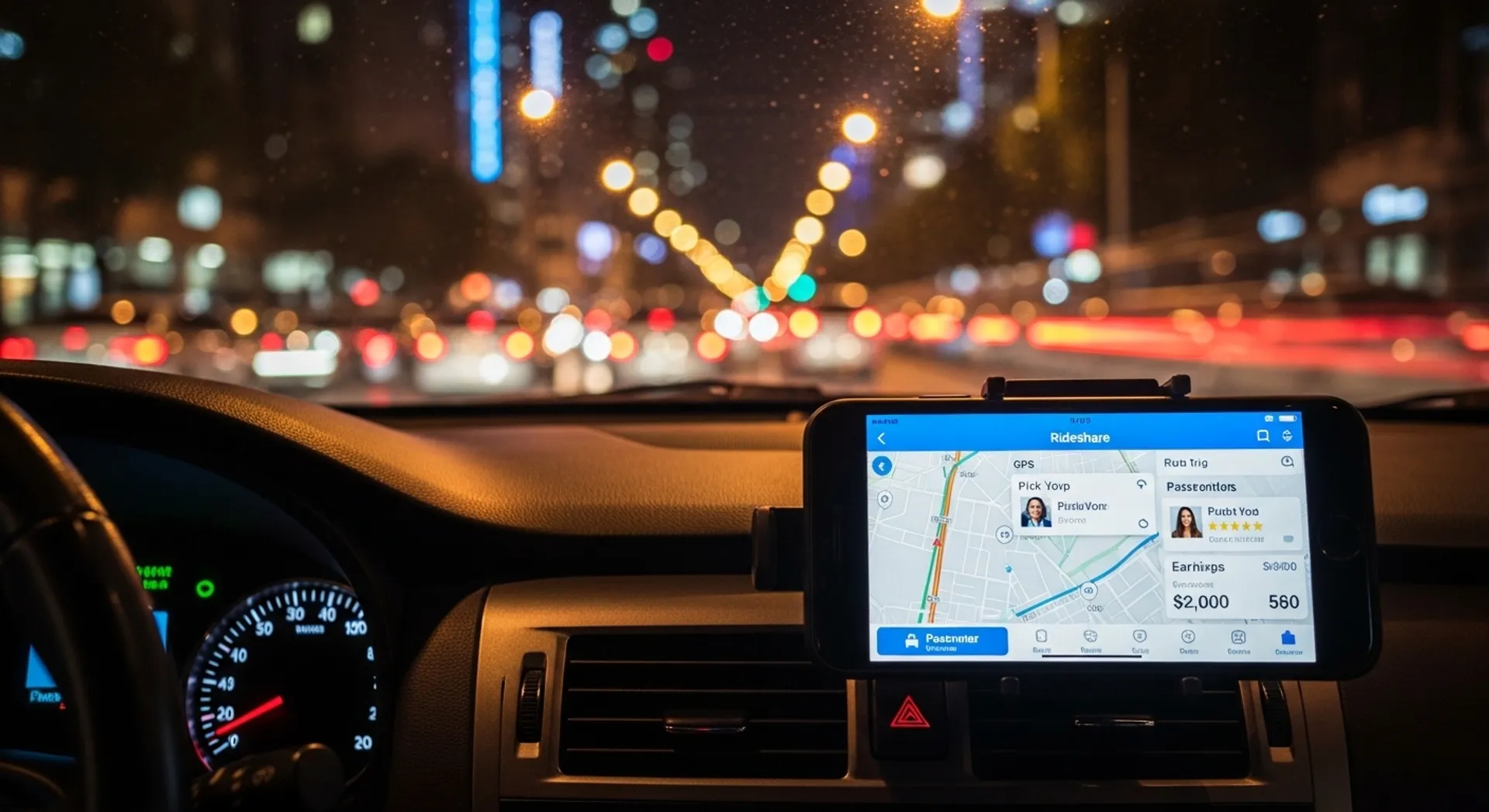
One of the clearest signs that fuel pressure is real is that platforms have started responding directly. Temporary relief programs and added gas discounts are useful because they can reduce some short-term pain. That matters. But drivers should see these programs clearly for what they are: support tools, not structural solutions.
A temporary gas perk can soften the impact of higher prices. It cannot fully repair a weak market, bad trip mix, or poor time management. It also does not change the basic fact that many rideshare drivers still carry most of the operating-cost risk themselves. That is the deeper issue behind high fuel prices rideshare driver earnings.
Why temporary relief still matters
Relief still matters because a smaller loss is better than a bigger one. When fuel spikes quickly, even limited discounts can help drivers keep working through a rough stretch without seeing their weekly results collapse as badly as they otherwise might.
But drivers should not confuse relief with stability
That is the trap. A fuel perk may make the week feel slightly better, but it does not mean the income model is suddenly strong. Drivers still need to know what they are spending, what kind of trips they are accepting, and whether the app’s gross earnings are hiding a weak net result.
The real issue is still take-home pay
Drivers do not pay bills with gross app screenshots. They pay bills with what is left after fuel and everything else. That is the number that matters.
How high fuel prices are pushing drivers toward new strategies
One response is sharper trip selection. Another is vehicle thinking. High fuel prices always renew the conversation around hybrids, EVs, and which cars make sense for platform work. Even drivers who are not ready to switch vehicles start paying closer attention to fuel efficiency once gas prices become painful enough.
That does not mean every driver can suddenly move into an EV or hybrid. Vehicle upgrades cost money, charging access varies by city, and not every driver is in a position to make a fast change. Still, fuel spikes force the question. They make drivers think longer term about what kind of car supports better margins.
Efficiency becomes part of earnings, not just convenience
In a low-price fuel environment, vehicle efficiency may feel like a nice bonus. In a high-price environment, it starts to feel like part of the earnings model itself. That mindset shift is important. Drivers begin to view the car not just as transportation, but as the core tool that determines whether the work still makes sense.
The same thing happens with shift design
Drivers also start redesigning their hours. They may avoid lower-demand periods, skip heavy traffic windows, focus more on airport runs, or prioritize scheduled rides and zones where trip density is higher. Efficiency starts shaping time as much as it shapes mileage.
That changes what “a good week” looks like
When fuel is expensive, a good week is not always the week with the highest gross revenue. It may be the week with the cleanest routes, the least wasted motion, and the best balance between hours worked and actual take-home pay.
What drivers should track every week
If fuel prices stay elevated, guessing is not enough. Drivers should track their fill-up costs, rough cost per day, dead-mile patterns, and which types of rides produce the best net outcome. They should compare actual take-home pay across apps and stop assuming the busiest shift is automatically the most profitable one.
This is where many drivers fall behind. They work harder when costs rise, but they do not always work smarter. More hours can hide weaker margins. A sharper weekly review can reveal whether extra driving is actually helping or just burning more fuel for disappointing returns.
The smartest drivers think in net terms
That is the simplest takeaway from all of this. Gross earnings matter, but net earnings decide whether the work is worth doing. High fuel prices rideshare driver earnings is really a story about that difference becoming impossible to ignore.
That is also why transparency matters so much
The more clearly an app shows pay, trip value, and route quality, the easier it is for drivers to protect themselves when fuel costs rise. This is one reason platform design matters more during a fuel spike than many people realize.
Clarity is a competitive advantage now
In a tougher cost environment, the platforms that help drivers waste fewer miles and understand earnings more clearly will feel stronger than the ones that leave drivers guessing.
Final thoughts
High fuel prices are reshaping rideshare driver earnings by exposing how fragile margins can be when a core operating cost rises quickly. They are changing driver behavior, making inefficient trips look worse, pushing drivers toward better planning, and forcing platforms to offer short-term relief just to keep the pressure from becoming worse.
The bigger lesson is simple. In 2026, drivers cannot afford to think only in terms of gross fares and trip counts. They have to think like operators. Fuel cost, route quality, app strategy, and take-home pay all belong in the same conversation now. That is why high fuel prices rideshare driver earnings is not just a news topic. It is one of the clearest signs of where rideshare work is heading next.
To monitor current U.S. fuel prices, use the AAA gas price tracker.